When we picture lush forests, we often imagine tall green trees on land. Yet, at the edge of the land and sea lies another extraordinary ecosystem — mangrove forests. These salt-tolerant trees and shrubs form dense networks of roots and branches along tropical and subtropical coastlines. They may not look as majestic as mountain forests, but their role in biodiversity conservation is irreplaceable. In India, the Sundarban, the world’s largest mangrove forest, is a shining example of this natural treasure.
In this blog, we’ll explore why mangrove forests are so crucial for our biodiversity, how they protect humans and wildlife alike, and why preserving the Sundarban is critical for our future.
What Makes Mangrove Forests Unique?
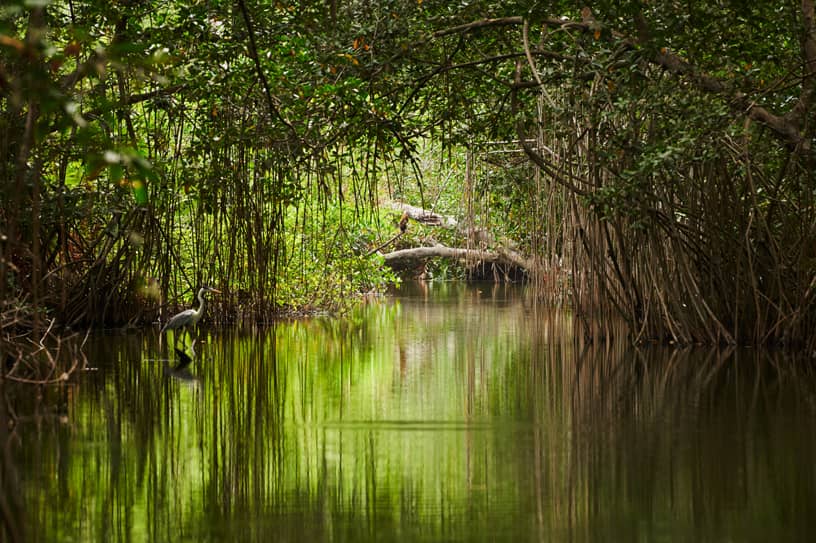
Mangroves grow where few plants can survive — in brackish water, tidal mudflats and estuaries. Their complex root systems stabilize shorelines, trap sediments, and create a dynamic habitat for countless species. These forests act as a natural bridge between marine and terrestrial ecosystems, supporting life on both sides.
Because of this unique environment, mangroves host species that you won’t find elsewhere — from mudskippers and fiddler crabs to rare birds and even big cats like the Royal Bengal Tiger in the Sundarban.
Why Mangrove Forests Are So Crucial for Our Biodiversity
-
Haven for Rare and Endangered Species
Mangroves act as nurseries for fish, crustaceans and molluscs. Many commercially important fish species breed and grow here before moving into the open sea. Birds like herons, kingfishers and migratory species find safe feeding grounds. In the Sundarban, the elusive Royal Bengal Tiger thrives in this unique ecosystem alongside estuarine crocodiles, spotted deer and fishing cats. -
Natural Coastal Shield
Mangroves reduce the impact of cyclones, storm surges and tsunamis by acting as a living barrier. Their tangled roots absorb wave energy, preventing soil erosion and protecting inland habitats. During major cyclones in the Bay of Bengal, the Sundarban’s mangroves have repeatedly saved lives by buffering coastal villages. -
Carbon Sink and Climate Regulator
Mangrove forests are “blue carbon” ecosystems. They sequester up to four times more carbon than terrestrial forests, locking it into soil for millennia. By absorbing carbon dioxide, mangroves help slow climate change and regulate global temperatures. -
Water Purification and Nutrient Cycling
Mangroves filter pollutants, trap sediments and recycle nutrients. This keeps coastal waters cleaner, supporting coral reefs, seagrass beds and open-sea fisheries. Healthy mangroves mean healthier oceans and better livelihoods for fishing communities. -
Livelihoods and Cultural Heritage
Millions of people depend on mangroves for wood, honey, fish and medicinal plants. In the Sundarban, traditional honey collectors (maulis) and fishermen have coexisted with the forest for generations. Mangroves are not only a biological treasure but also a cultural one.
Spotlight on the Sundarban: The World’s Largest Mangrove Forest
Straddling India and Bangladesh, the Sundarban covers around 10,000 sq. km. It is a UNESCO World Heritage Site and home to one of the most unique ecosystems on Earth. The forest gets its name from the “Sundari” tree, a key mangrove species.
The Sundarban is famous for:
-
Royal Bengal Tigers adapted to swimming across tidal rivers.
-
Rich Biodiversity with over 260 bird species, estuarine crocodiles, olive ridley turtles and countless fish species.
-
Vital Protection for Communities living along the delta, reducing the impact of cyclones like Amphan and Aila.
Without the Sundarban’s mangroves, millions of people in West Bengal and Bangladesh would be far more vulnerable to flooding, erosion and loss of livelihoods.
Threats to Mangrove Forests
Despite their importance, mangroves are disappearing at an alarming rate due to:
-
Unsustainable aquaculture and shrimp farming
-
Deforestation for agriculture and urban expansion
-
Pollution and plastic waste
-
Climate change and rising sea levels
The loss of mangroves means the loss of biodiversity, increased vulnerability to disasters and higher greenhouse gas emissions. Protecting these forests is not optional — it’s essential.
How We Can Protect Mangrove Forests
-
Strengthen Conservation Policies: Governments must enforce strict protection of mangrove areas and restore degraded zones.
-
Community Involvement: Empower local communities with sustainable livelihood alternatives to reduce pressure on forests.
-
Eco-Tourism and Awareness: Responsible tourism in places like the Sundarban can fund conservation while educating visitors.
-
Climate Action: Reducing carbon emissions globally helps mangroves survive rising seas.
Every individual can also make a difference by supporting conservation NGOs, reducing single-use plastics and spreading awareness.
Conclusion: Our Green Guardians at the Edge of the Sea
Mangrove forests are far more than just coastal trees. They are life-support systems for biodiversity, climate regulation and human well-being. The Sundarban stands as a living reminder of what’s at stake and what can be saved when nature and people coexist.
If we truly want to protect our planet’s biodiversity, we must start with these extraordinary forests. By safeguarding mangroves today, we secure a more resilient and vibrant tomorrow for wildlife, communities and the Earth itself.