
Heart attacks, once predominantly associated with older individuals, are now alarmingly prevalent among young adults. This shift is attributed to a combination of lifestyle choices, environmental factors, and underlying health conditions. Understanding these causes is crucial for prevention and early intervention.
1. Sedentary Lifestyles and Poor Dietary Habits
The modern lifestyle, characterized by prolonged sitting, excessive screen time, and minimal physical activity, significantly contributes to cardiovascular risks. Diets rich in processed foods, sugars, and unhealthy fats further exacerbate the problem. Such habits lead to obesity, high blood pressure, and elevated cholesterol levels, all of which are risk factors for heart disease. OU Health

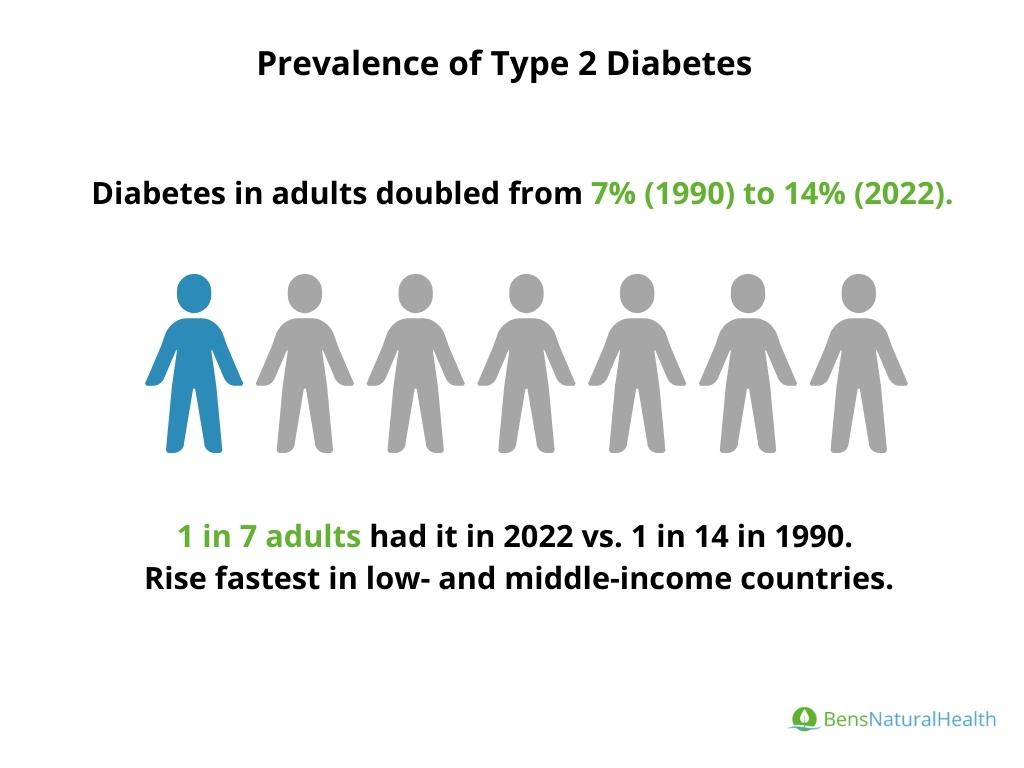
2. Rising Prevalence of Type 2 Diabetes
Type 2 diabetes, once rare among young individuals, is now increasingly common. This condition damages blood vessels and accelerates the development of atherosclerosis, leading to heart attacks. The surge in diabetes cases among the youth is linked to poor dietary choices, lack of exercise, and genetic predispositions. The Economic Times
3. Hypertension in the Young
High blood pressure, or hypertension, is no longer confined to older adults. Studies have shown a significant increase in hypertension cases among individuals aged 18–40. This condition often goes unnoticed due to its asymptomatic nature but poses a serious threat to heart health. The Times of India

4. Smoking, Vaping, and Substance Abuse
Tobacco use, including smoking and vaping, remains a leading cause of heart disease. The chemicals in these products damage the heart and blood vessels, increasing the risk of heart attacks. Additionally, recreational drug use, such as cocaine, has been linked to sudden cardiac events in young adults. Cardio Metabolic Institute

5. Stress and Mental Health Challenges
Chronic stress, anxiety, and depression have profound effects on heart health. The body’s response to stress includes increased heart rate and blood pressure, which over time can damage the cardiovascular system. Young adults facing academic pressures, job uncertainties, and social challenges are particularly vulnerable. Wikipedia

6. Genetic Factors and Undiagnosed Conditions
Inherited conditions like hypertrophic cardiomyopathy and congenital heart defects can lead to heart attacks in young individuals. These conditions often remain undiagnosed until a cardiac event occurs. Regular medical check-ups and awareness of family medical history are essential for early detection. Mayo Clinic

7. Impact of COVID-19
The COVID-19 pandemic has introduced new challenges to heart health. The virus can cause inflammation of the heart muscle and increase the risk of blood clots, leading to heart attacks. Young adults recovering from COVID-19 should monitor their heart health closely. UPMC HealthBeat
8. Lack of Regular Health Screenings
Many young adults neglect regular health check-ups, leading to undiagnosed conditions like high cholesterol or hypertension. Early detection through screenings like ECGs, cholesterol tests, and blood pressure monitoring can prevent severe cardiac events. The Times of India

Prevention Strategies
-
Adopt a Healthy Lifestyle: Engage in regular physical activity, maintain a balanced diet, and avoid tobacco and excessive alcohol consumption.
-
Manage Stress: Practice mindfulness, seek therapy when needed, and ensure adequate rest.
-
Regular Health Check-ups: Schedule annual medical examinations to monitor heart health indicators.
-
Stay Informed: Educate yourself about the signs of heart disease and the importance of early intervention.
Conclusion
The increasing incidence of heart attacks among young adults is a pressing health concern. By understanding the contributing factors and adopting preventive measures, individuals can significantly reduce their risk and promote long-term heart health.