“Global warming threatens our health, our economy, our natural resources, and our children’s future. It is clear we must act.”
Eliot Spitzer
Climate change is no longer a distant threat—it’s unfolding in real time, reshaping our world with growing urgency. Understanding why climate change is happening now demands exploring the convergence of human activity and natural systems—and why the pace and intensity are unparalleled.
1. Human-Driven Greenhouse Gas Emissions
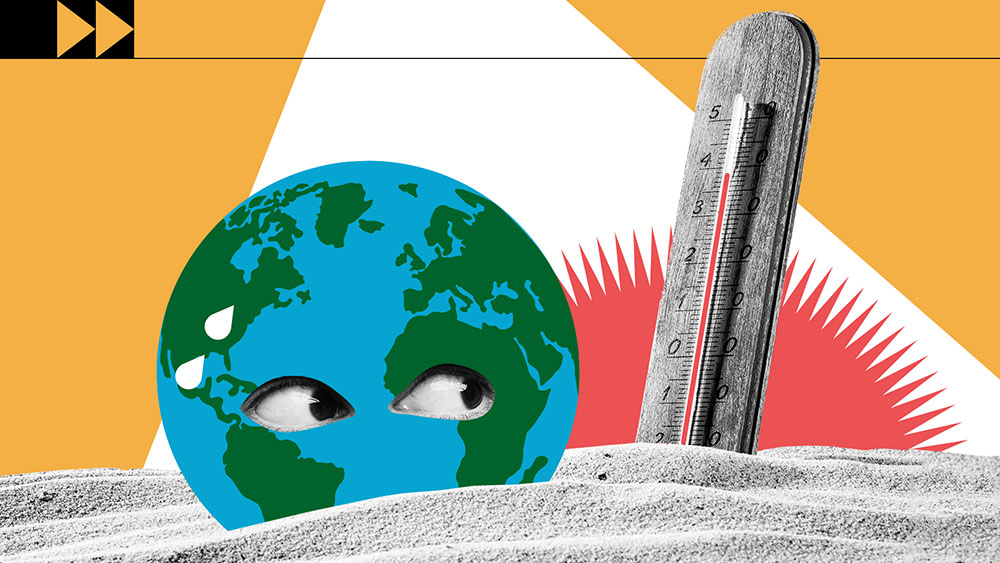
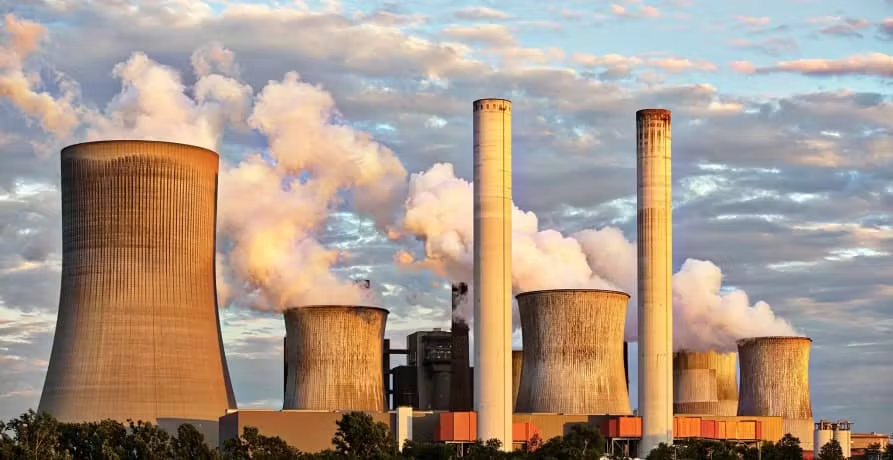
Since the Industrial Revolution, burning fossil fuels—coal, oil, and gas—has released vast quantities of carbon dioxide (CO₂) and other greenhouse gases (GHGs). These gases trap solar heat in the Earth’s atmosphere, intensifying the greenhouse effect and driving rapid global warming US EPAClimate ActionNASA Science.
Multiple lines of scientific evidence—ranging from ice core data to advanced climate models—confirm that this warming is too sharp to be explained by natural variability alone US EPAImperial College LondonNASA Science.
2. Rate & Scale: Unprecedented in Millennia
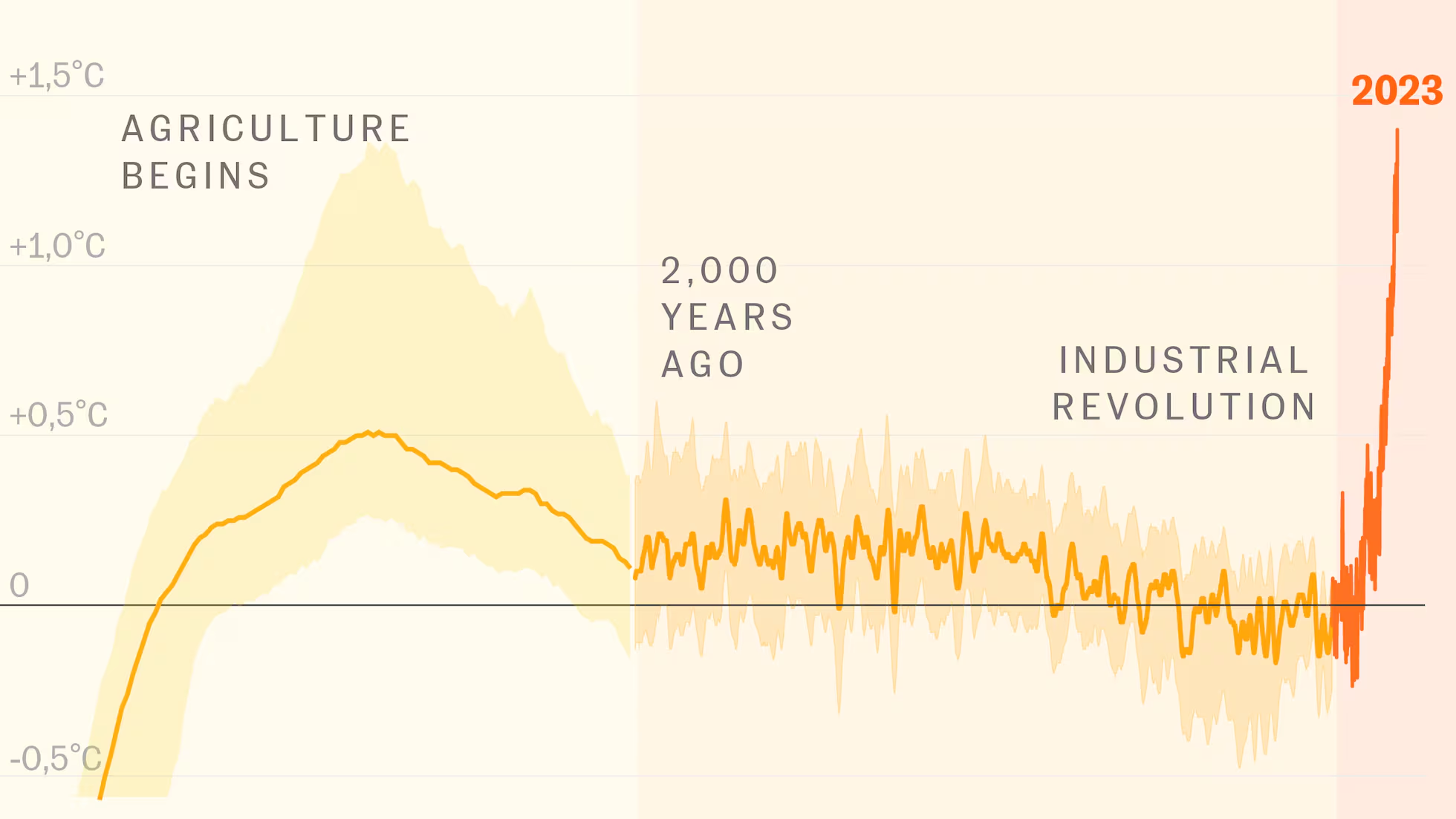
While Earth’s climate has always fluctuated, the current warming is accelerating at a rate not seen in the last 10,000+ years NASA Science. In fact, the last decade is likely the warmest in 125,000 years—and CO₂ concentration is at levels not experienced for millions of years Earth.Org.
Simply put, humans are supercharging natural forces in a way that’s causing rapid, sustained warming.
3. Deforestation and Land Use Change
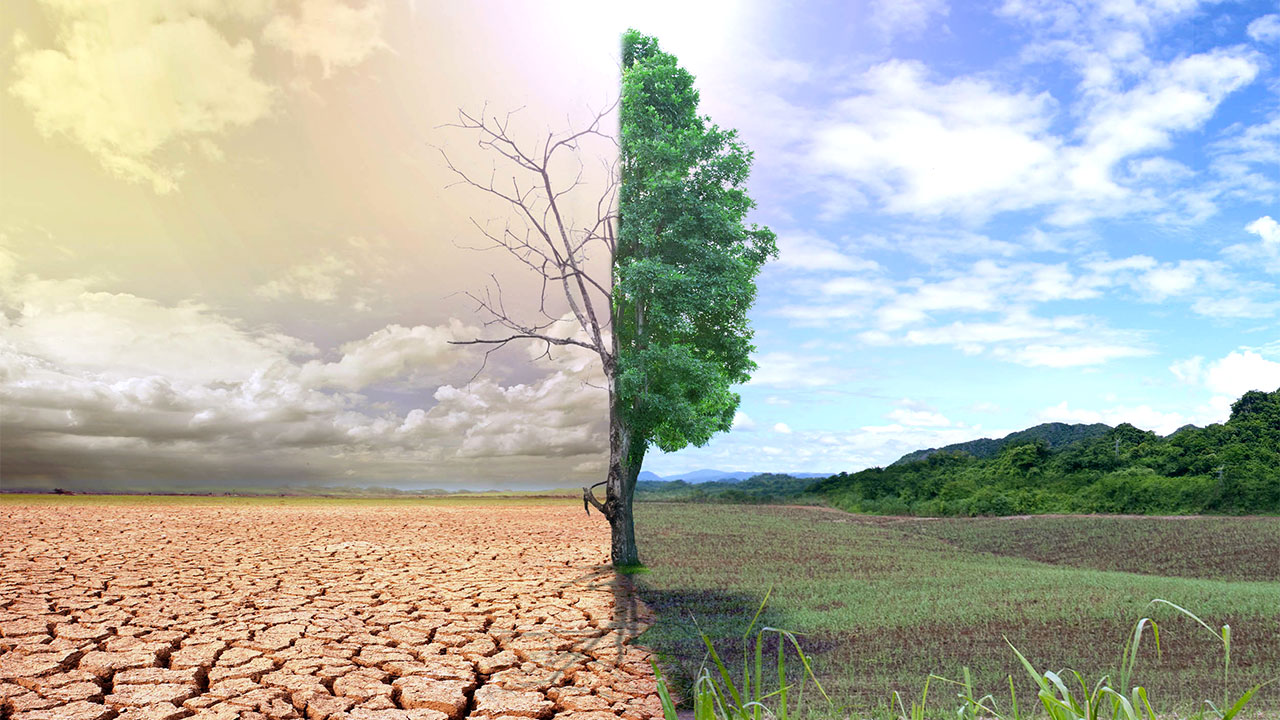
Natural carbon sinks like forests play a vital role in absorbing CO₂. Yet deforestation—especially in tropical regions—is weakening that mechanism and releasing carbon back into the atmosphere. Currently, land-use changes contribute roughly 11% of global greenhouse gas emissions Wikipedia.
4. Reinforcing Feedback Loops: Polar Amplification
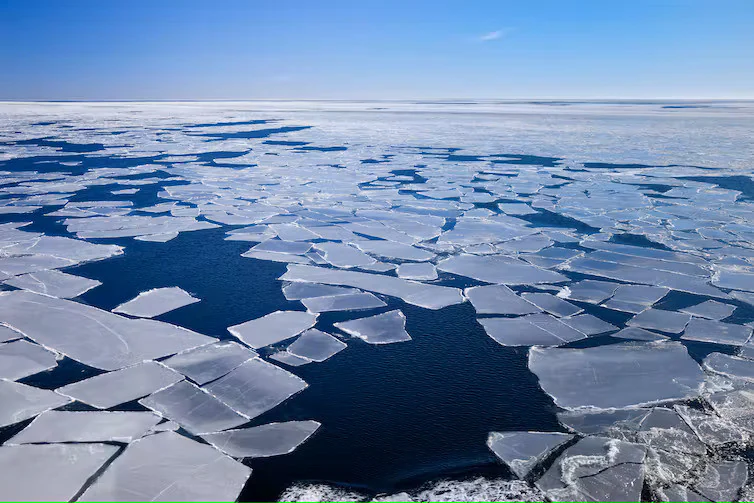
Certain regions are heating even faster than global averages. The Arctic, for instance, is warming nearly 4 × faster than the rest of the world. Open water reflects less sunlight than ice, creating a feedback loop that accelerates heat retention—a process known as polar amplification Wikipedia.
5. Intensified Weather Patterns and Water Cycle Disruption
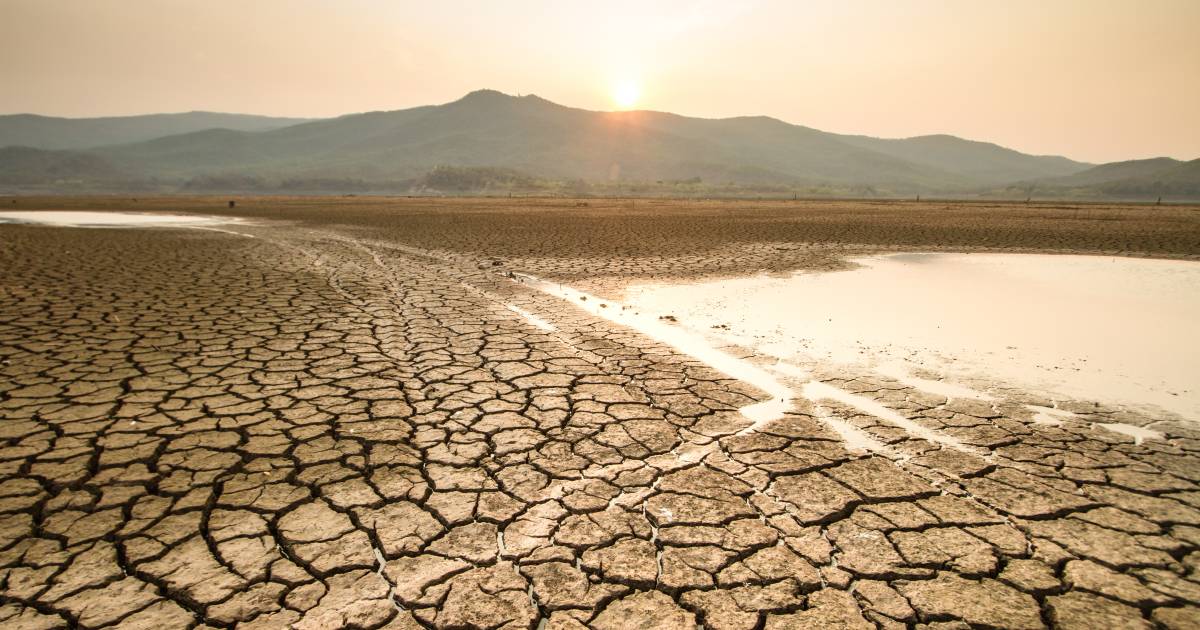
Rising temperatures aren’t just about heat—they reshape rain patterns, evaporation, and the overall water cycle. Since the mid-20th century, precipitation over land has increased, water vapor levels have climbed, and rainfall has become more extreme in many regions Wikipedia.
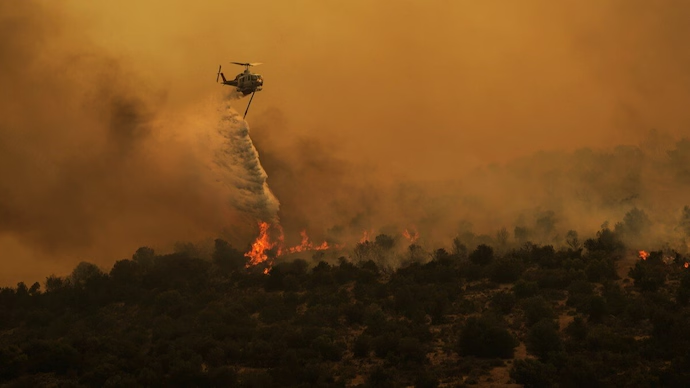
Meanwhile, global warming is triggering more intense heat waves, flooding, droughts, wildfires, and glacier melt—once-predicted impacts that are now unfolding in real time NASA ScienceNOAA.
6. Extreme Events Becoming the Norm
Events that used to be rare—such as severe heatwaves—are now increasingly common. In July 2023, heat conditions that once occurred once in multiple centuries were experienced by billions daily. Human-induced warming made such events dramatically more likely Wikipedia.
Summary Table: Why Now?
| Cause | Why It’s Accelerating Now |
| Fossil Fuel Emissions | Unprecedented scale and longevity of CO₂ in atmosphere |
| Deforestation & Land Use Change | Loss of natural carbon sinks and increased emissions |
| Polar Amplification | Feedback loops accelerate warming in sensitive regions |
| Water Cycle Disruption | Warmer atmosphere retains more moisture—intensifying droughts and storms |
| Extreme Events Frequency | Once-rare weather patterns become common due to sustained warming |
| Irreversible System Impacts | Changes like glacier and ice sheet loss cannot be undone quickly; tipping points may be near |
Why It Matters
This isn’t just a climate anomaly—it’s a planetary shift. The compounding effect of human-driven causes, feedback loops, and extreme weather beacons an urgent call to action. Mitigation and adaptation strategies are no longer optional—they’re essential to safeguard ecosystems, economies, and human life.