With millions of users every day. Social media has assimilated into contemporary culture. People from all over the world may now connect and instantaneously shore information. Revolutionizing the way we engage and communicate with one another. Social media has had many beneficial effects on society , but it has also unavoidable drawbacks. Social media has had many positive effects on society, one of which is how it has transformed communication. With billions of users worldwide, platforms like Facebook, Instagram, Twitter (X), and TikTok play a significant role in daily life. Another positive impact of social media on society is its ability to raise awareness about important social and political issues. Social media, nevertheless, has also had unfavorable effects on society. One of the bad outcomes is the increase in cyberbullying. Where people harass and intimidate others through social media. The dissemination of false information and fake news on social media has a detrimental effect on society as well. In conclusion, social media has had both positive and negative impacts on society. To maximize social media’s beneficial effects and reduce its bad ones, its critical to use it properly and to be conscious of how it affects society.
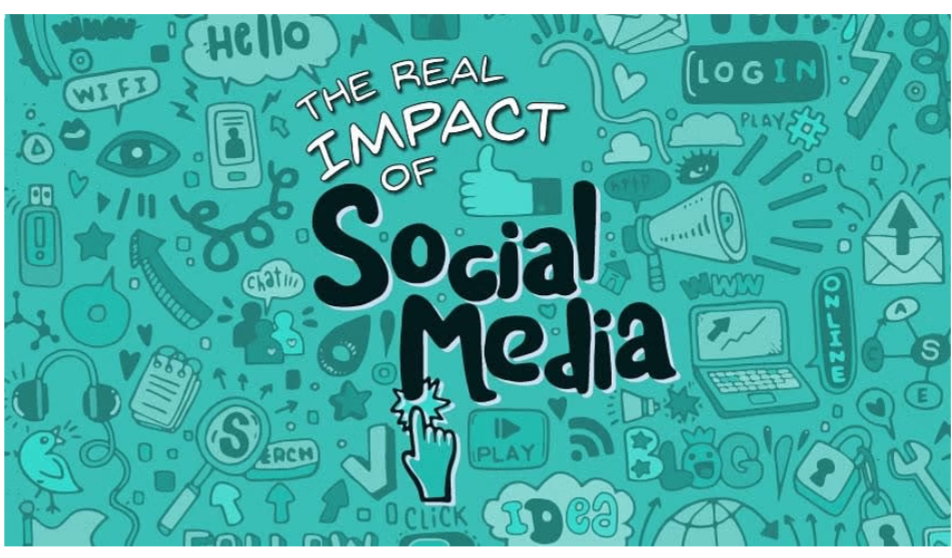
The Positive Impact of Social Media on Society
1. Enhanced Global Communication
Social media bridges geographical barriers, enabling people from different cultures to connect instantly. From video calls to group chats, these platforms help families, friends, and professionals stay in touch regardless of distance. This real-time connectivity fosters cultural exchange and strengthens relationships across borders.
2. Access to Information and Awareness
Breaking news, global events, and trending topics now spread in seconds. Social media has revolutionized the way people consume information, providing instant access to educational resources, health awareness campaigns, and social justice movements. Hashtags and viral posts have amplified causes like climate change awareness, mental health advocacy, and human rights. Social media has spawned a new type of marketing through the use of a unique, virtual public personality: the social influencer. Therefore, while social media is a useful and important part of modern life, it should be used wisely and responsibly to enjoy its benefits and avoid its booms.
3. Business Growth and Marketing Opportunities
For businesses, social media is a powerful marketing tool. Startups and small businesses gain visibility through affordable campaigns and influencer collaborations. Platforms allow brands to target audiences with precision, build trust through engagement, and gather valuable customer insights. E-commerce has also flourished thanks to social media advertising and shopping integrations. Social media marketing is a form of digital marketing that leverages the power of popular social media networks to achieve your marketing and branding goals.
4. Empowering Voices and Communities
Social media gives everyone a platform to speak up. Marginalized groups use it to share stories, advocate for rights, and mobilize support. From #MeToo to #BlackLivesMatter, online activism has driven real-world social change by sparking conversations that were once silenced.
5. Educational and Professional Growth
Platforms like LinkedIn, YouTube, and even Instagram have become learning hubs. Students can access tutorials, professionals can attend live webinars, and job seekers can network globally. Online communities nurture skill development and open doors to career opportunities.
The Negative Impact of Social Media on Society
1. Addiction and Reduced Productivity
One of the biggest downsides of social media is excessive use. Endless scrolling, notifications, and the fear of missing out (FOMO) often lead to procrastination and reduced productivity in both students and professionals.
2. Mental Health Challenges
Studies show a link between heavy social media use and issues like anxiety, depression, and low self-esteem. Constant exposure to curated lifestyles and unrealistic beauty standards fuels comparison, body image concerns, and feelings of inadequacy, especially among teenagers. 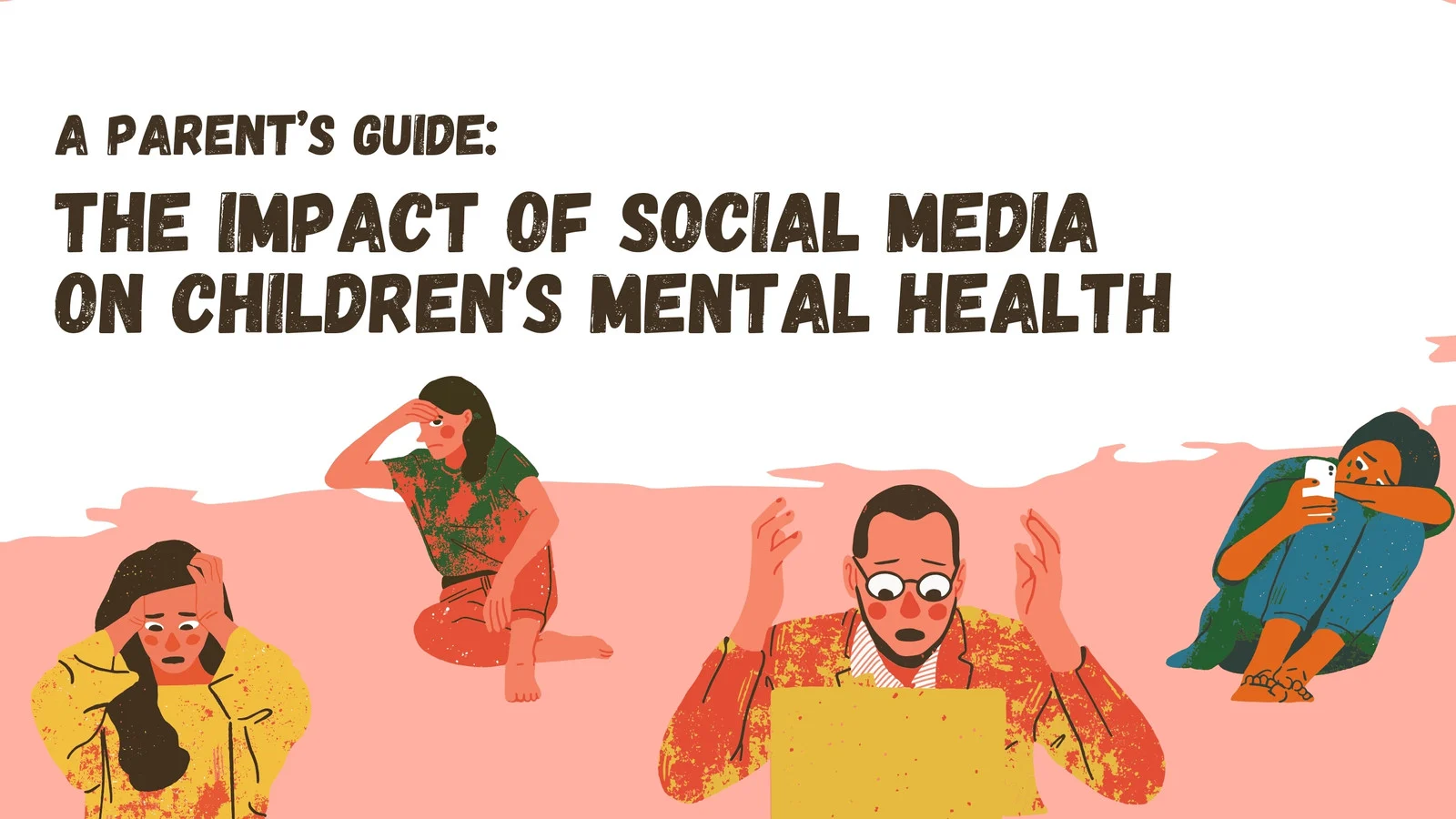
3. Spread of Misinformation
While social media spreads news quickly, it also fuels the rapid circulation of misinformation, fake news, and conspiracy theories. This has led to confusion, panic, and even conflicts. The challenge lies in distinguishing reliable sources from misleading content.
4. Privacy and Security Risks
Users often share personal information online without realizing the potential consequences. Data breaches, identity theft, and cyberbullying are growing concerns. Once something is posted, it’s difficult to erase, making privacy protection a serious issue.
5. Erosion of Real-Life Connections
While online communication thrives, many people struggle to maintain genuine face-to-face interactions. Overreliance on virtual conversations sometimes weakens family bonds, friendships, and social etiquette in the offline world.
The Cultural Impact of Social Media
Social media has influenced culture in profound ways. Memes, viral challenges, and digital trends shape how people express themselves. It has also redefined entertainment, with creators replacing traditional celebrities and user-generated content dominating platforms. However, it has also contributed to shortened attention spans and a “fast content” culture, where depth and context often get lost.
Balancing the Pros and Cons
So, what are the impact of social media on society? The truth lies in balance. Used wisely, social media empowers communication, learning, and growth. Misused, it can harm mental health, spread misinformation, and weaken real connections.
Tips for Healthy Social Media Use:
- Set time limits to avoid overuse.
- Verify news sources before sharing.
- Engage positively, avoiding toxic interactions.
- Prioritize real-life relationships alongside online ones.
- Use platforms for growth by following educational or motivational accounts.
Conclusion
The impact of social media on society is undeniable—it has transformed the way we interact, learn, and do business. While it offers countless benefits, it also poses significant risks that cannot be ignored. The key lies in responsible usage: treating social media as a tool rather than a trap. By balancing digital engagement with real-world connections, individuals and communities can harness its power for positive change.
Frequently Asked Questions (FAQs)
As social media continues to influence the way we live, work, and communicate, many people have common queries about its effects. Below are some frequently asked questions about the impact of social media on society, covering both its benefits and drawbacks.
1. What are the positive impacts of social media on society?
Social media connects people globally, spreads awareness about important issues, supports business growth, empowers communities, and provides access to education and job opportunities.
2. What are the negative impacts of social media on society?
The negative impacts include social media addiction, reduced productivity, increased stress, spread of fake news, privacy risks, and weakened face-to-face interactions.
3. How does social media impact communication in society?
Social media has made communication faster and more global. However, it can sometimes lead to shallow conversations and a decline in real-life connections.
4. What is the cultural impact of social media on society?
It shapes culture through viral trends, memes, and online communities. While it encourages creativity, it also contributes to shorter attention spans and a fast-paced content culture.
5. How does social media affect mental health?
Heavy social media use can increase anxiety, depression, and low self-esteem due to constant comparison. Balanced and mindful use helps reduce these negative effects.