“Social media connects students to the world, but when addiction takes over, it silently disconnects them from studies, focus, and real life.”
“Social media may seem harmless at first, but first understand how Social Media Addiction can silently harm students’ academic and personal growth. Let’s explore how this addiction affects students’ lives.”
Top 10 Ways Social Media Addiction Affects Students
1. Decline in Academic Performance:
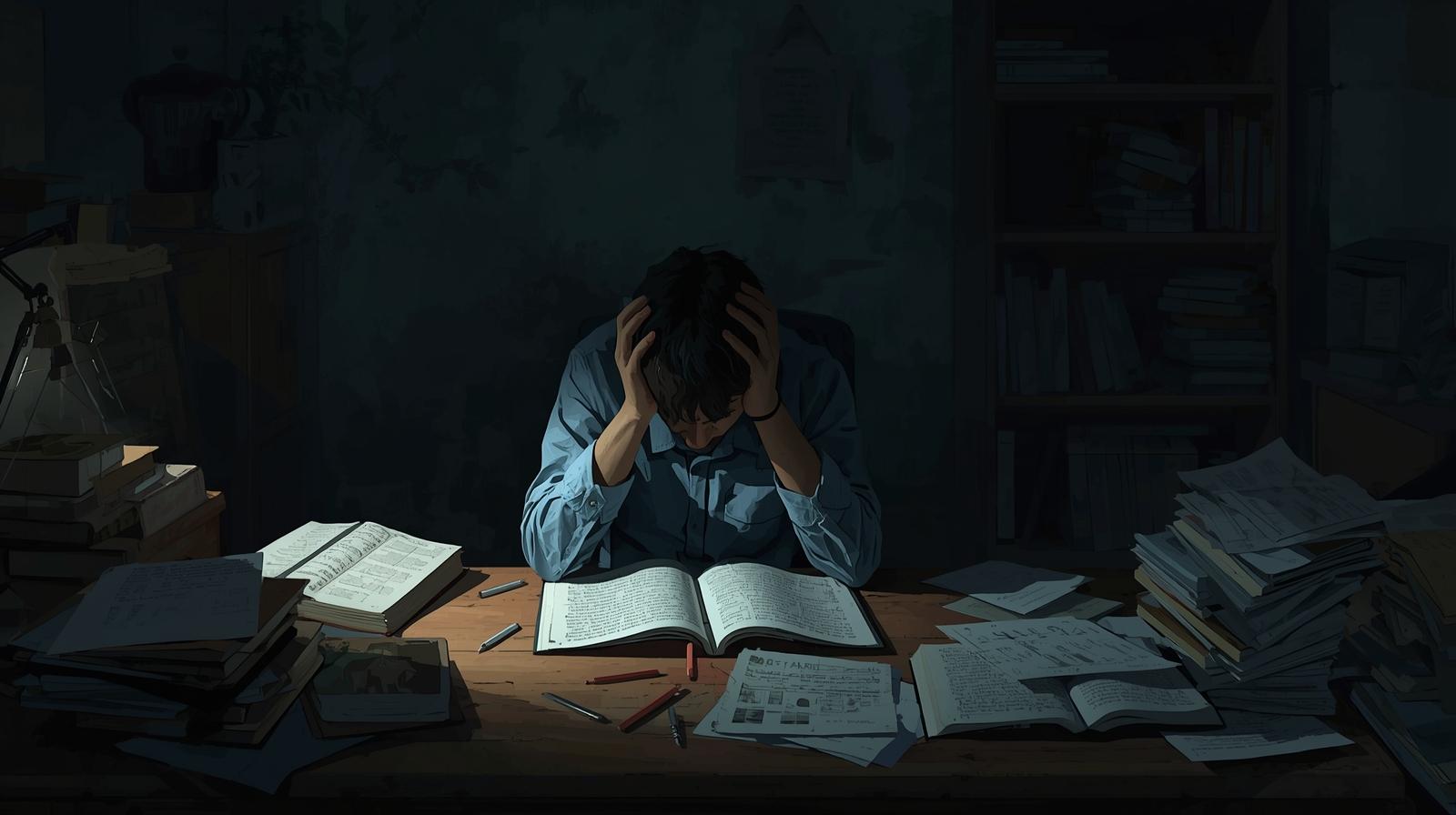
One of the most severe impacts of social media addiction is poor academic performance. Students often spend hours scrolling through feeds instead of studying, leading to incomplete assignments, lack of concentration in class, and lower grades. Over time, this habit creates a learning gap that becomes difficult to recover from.
2. Reduced Focus and Memory Retention:
Constant notifications and switching between apps affect the brain’s ability to focus. Students addicted to social media struggle to remember lessons, process information, and maintain attention during study sessions. This not only harms academic growth but also affects problem-solving and decision-making skills.
3. Emotional Disconnect and Mental Health Issues:
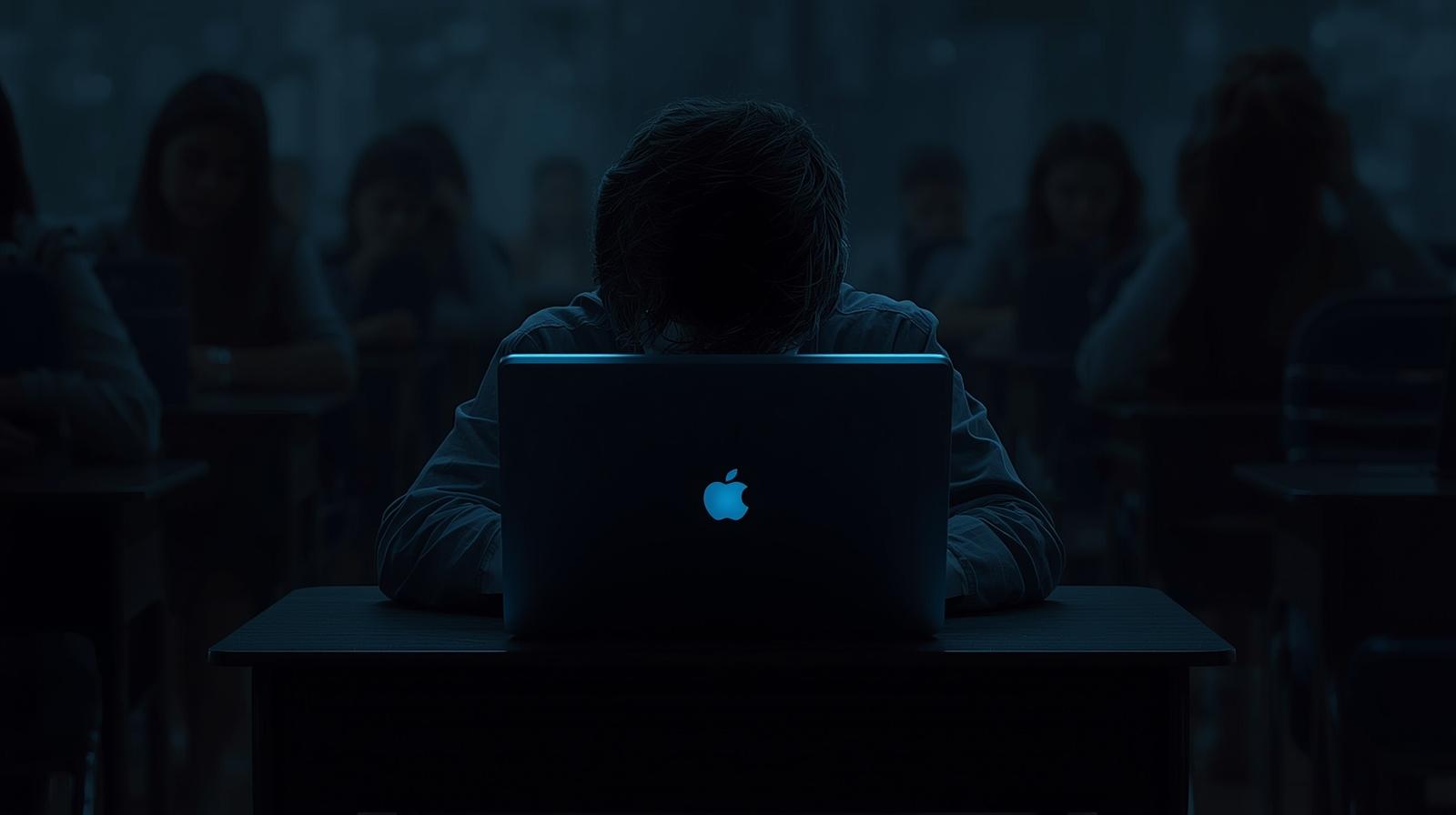
Excessive social media use creates emotional distance from family and friends. Students may feel lonely, anxious, or even depressed despite being “connected” online. The lack of real-life bonding and overreliance on virtual validation severely impacts mental well-being.
4. Cyberbullying and Peer Pressure:
Social media platforms often expose students to cyberbullying, online trolling, and peer pressure. Negative comments, comparison posts, or bullying messages can cause emotional trauma, leading to low self-esteem, social withdrawal, or even severe mental health issues.
5. Sleep Deprivation and Health Problems:
Scrolling through social media late at night disrupts sleep cycles. Blue light from screens reduces melatonin production, making it harder for students to sleep well. Poor sleep leads to fatigue, weak immunity, mood swings, and lack of productivity during the day.
6. Unhealthy Comparison and Jealousy:
Students often compare their lives with the “highlight reels” of others on social media. This leads to feelings of inadequacy, jealousy, and low self-worth. Such unhealthy comparisons affect confidence levels and can trigger depression and body image issues.
7. Distraction During Study Hours:
Even during study time, students often check their phones for notifications, messages, or reels. These small distractions break concentration, waste valuable hours, and reduce the effectiveness of study sessions. Over time, this habit decreases learning efficiency.
8. Trust and Privacy Issues:
Students often overshare personal information online without realizing the risks. This can lead to privacy breaches, misuse of data, and loss of trust in relationships. In severe cases, online scams and identity theft also affect young users.
9. Reduced Quality Time with Loved Ones:
Spending more time on screens and less with family creates emotional distance in relationships. Students miss out on real conversations, bonding, and support from loved ones, which are crucial during their growing years.
10. Lack of Physical Activity and Lifestyle Disorders:
Social media addiction often keeps students glued to their screens for long hours. This reduces physical activity, leading to obesity, posture problems, eye strain, and other lifestyle-related health issues. Over time, this sedentary lifestyle becomes harmful for both body and mind.
Final Thoughts
Social media can be a useful tool for learning and staying connected, but addiction takes a heavy toll on students. From declining academic performance and reduced focus to emotional disconnect, cyberbullying, and health issues, the negative effects are significant. Setting limits, taking regular breaks, and prioritizing real-life interactions can help students regain balance and protect both their mental and physical well-being.
“Want to protect your studies and well-being from these harmful effects? Check out our detailed guide on How to Overcome Social Media Addiction in Students for practical tips, healthy habits, and proven strategies to regain focus and balance.”
“For more tips, read our platform-oriented blogs on how to tackle different types of social media addiction.”









Pingback: Social Media Addiction - A Honey Trap - Dataspace for Student