The Great Migration Between Kenya and Tanzania
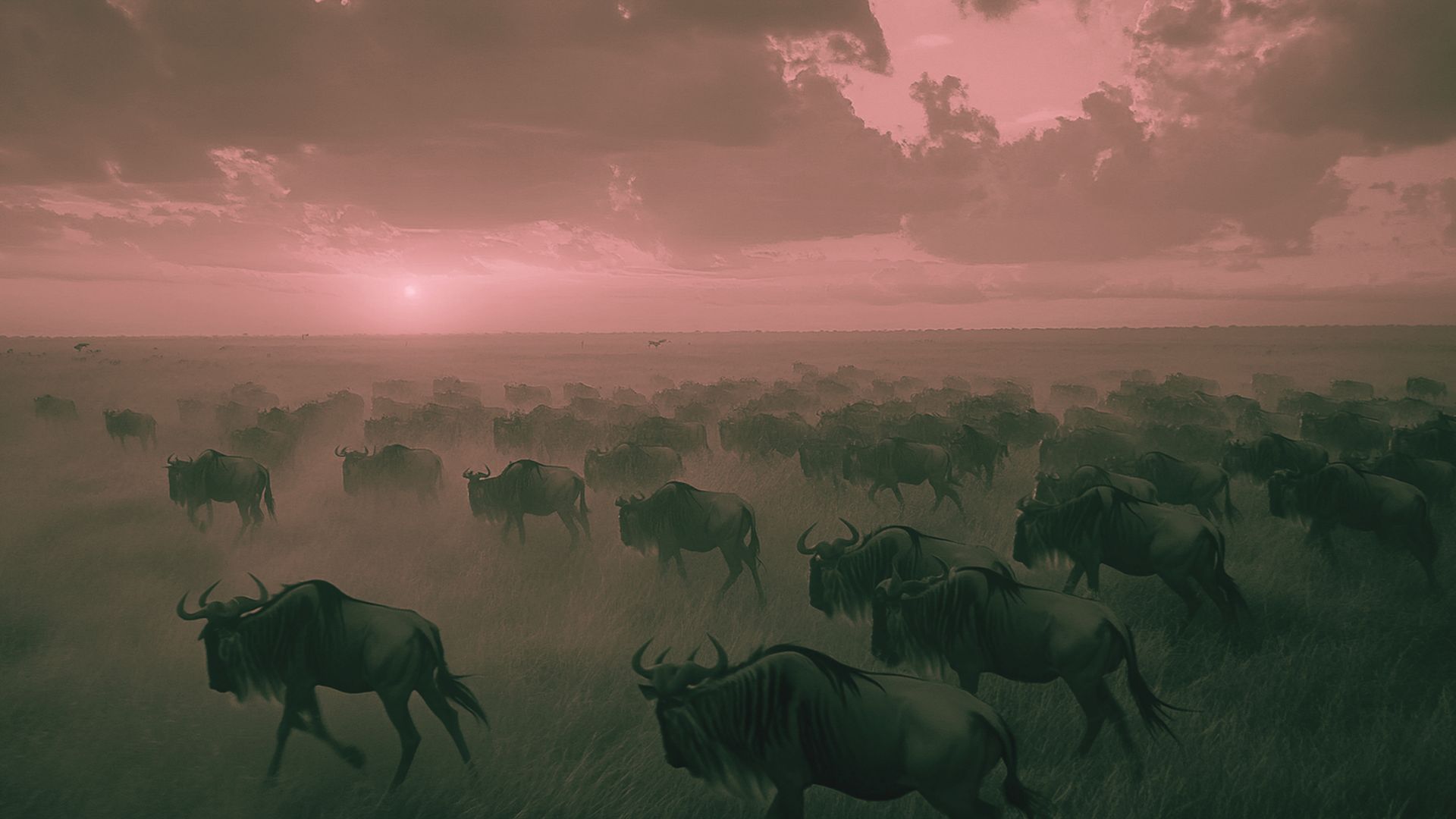
The Great Migration is one of the most spectacular natural events on Earth. Every year, millions of wildebeest, zebras, and gazelles travel across the plains of Tanzania’s Serengeti and Kenya’s Masai Mara in search of greener pastures. This journey, known as the largest land animal migration in the world, is filled with drama, survival, and breathtaking beauty.
But what makes this migration even more remarkable is the chance to encounter Africa’s legendary Big Five animals—lion, leopard, elephant, buffalo, and rhino—along the way. Together, the migration and the Big Five create an unforgettable safari experience that continues to attract travellers from around the globe.
What Is the Great Migration?
The Great Migration is a continuous cycle of movement driven by rainfall and the search for fresh grazing land. Over 1.5 million wildebeest and hundreds of thousands of zebras and gazelles move in a circular route between Tanzania and Kenya, covering nearly 1,800 miles each year.
This journey is not only a test of endurance but also a life-or-death challenge. Predators such as lions, leopards, and crocodiles wait for the herds, while the landscape itself poses obstacles. Despite the dangers, the migration plays a vital role in maintaining the balance of the savannah ecosystem.
Tanzania’s Serengeti: The Start of the Journey
The migration begins in Tanzania’s Serengeti National Park, one of the most famous wildlife reserves in the world. From December to March, the southern Serengeti becomes a calving ground where nearly half a million wildebeest are born within just a few weeks.
This season also draws predators. Lions and leopards are often seen prowling the plains, while hyenas and cheetahs follow the herds closely. Alongside the migration, travellers can also spot elephants and buffalo grazing peacefully, adding to the Big Five safari experience.
By April, as the rains fade, the herds begin their northward journey through the Serengeti’s western and central regions, creating awe-inspiring scenes of endless wildlife on the move.
Kenya’s Masai Mara: The River Crossings
By July, the herds reach Kenya’s Masai Mara National Reserve, where the migration becomes even more dramatic. The famous Mara River crossings take place between July and October.
Here, thousands of wildebeest and zebras plunge into crocodile-filled waters while predators such as lions and leopards wait on the banks. The tension and struggle for survival make this one of the most breathtaking wildlife spectacles in the world.
During this time, sightings of the Big Five are common. Elephants roam the grasslands, buffalo gather in herds, rhinos hide in the thickets, and lions dominate the savannah. The combination of the migration and Big Five encounters makes the Masai Mara one of Africa’s top safari destinations.
The Big Five Animals in the Great Migration
The Big Five are considered the crown jewels of African safaris. During the Great Migration, spotting these animals alongside the moving herds makes the experience even more special:
-
Lion: The king of the savannah, often seen hunting wildebeest during the migration.
-
Leopard: A stealthy predator that thrives in both the Serengeti and the Mara.
-
Elephant: Gentle giants that roam the grasslands, often travelling in family groups.
-
Buffalo: Strong and unpredictable, often found in large herds across both reserves.
-
Rhinoceros: Rare but remarkable, rhinos add to the thrill of a Big Five safari.
Together, these animals highlight the incredible diversity and richness of East Africa’s wildlife.
Best Time to Witness the Migration
The migration is a year-round event, but different stages offer unique experiences:
-
December–March (Southern Serengeti, Tanzania): Calving season with dramatic predator-prey action.
-
April–June (Western Serengeti): Herds moving northward in long columns.
-
July – October (Masai Mara, Kenya): Thrilling Mara River crossings.
-
November (Return to Serengeti): Herds begin the cycle again in the south.
Choosing the right time depends on whether you want to see the birth of new life, the long treks, or the dramatic river crossings.
Tips for a Memorable Safari
To make the most of your Great Migration safari, keep these tips in mind:
-
Book Early: The migration season attracts travellers worldwide, so lodges fill up quickly.
-
Stay in Mobile Camps: These camps follow the herds and increase your chances of sightings.
-
Hire Experienced Guides: Skilled guides know where to find the herds and Big Five.
-
Bring the Right Gear: Binoculars and cameras are essential to capture every moment.
-
Travel Responsibly: Support eco-friendly lodges and respect wildlife to preserve the ecosystem.
Beyond Wildlife: Cultural Encounters
A trip to Kenya and Tanzania isn’t only about wildlife. Meeting local communities, such as the Maasai people, adds a cultural dimension to your safari. Their traditions, dances, and colourful attire reflect a lifestyle deeply connected to the land and its wildlife.
Final Thoughts
The Great Migration between Kenya and Tanzania is truly one of nature’s most extraordinary wonders. From the endless herds of wildebeest across the Serengeti to the dramatic Mara River crossings in Kenya, every moment is filled with excitement and beauty.
When combined with sightings of the Big Five animals, this journey offers the ultimate African safari adventure. It is not just about witnessing wildlife but also about understanding the delicate balance of life on the savannah.
For any traveller seeking an unforgettable experience, the Great Migration promises memories that last a lifetime.