“Do you check your phone the moment you wake up? You’re not alone”. This is called Social Media Addiction. So, maybe you want to know about”-
What is Social Media Addiction ?
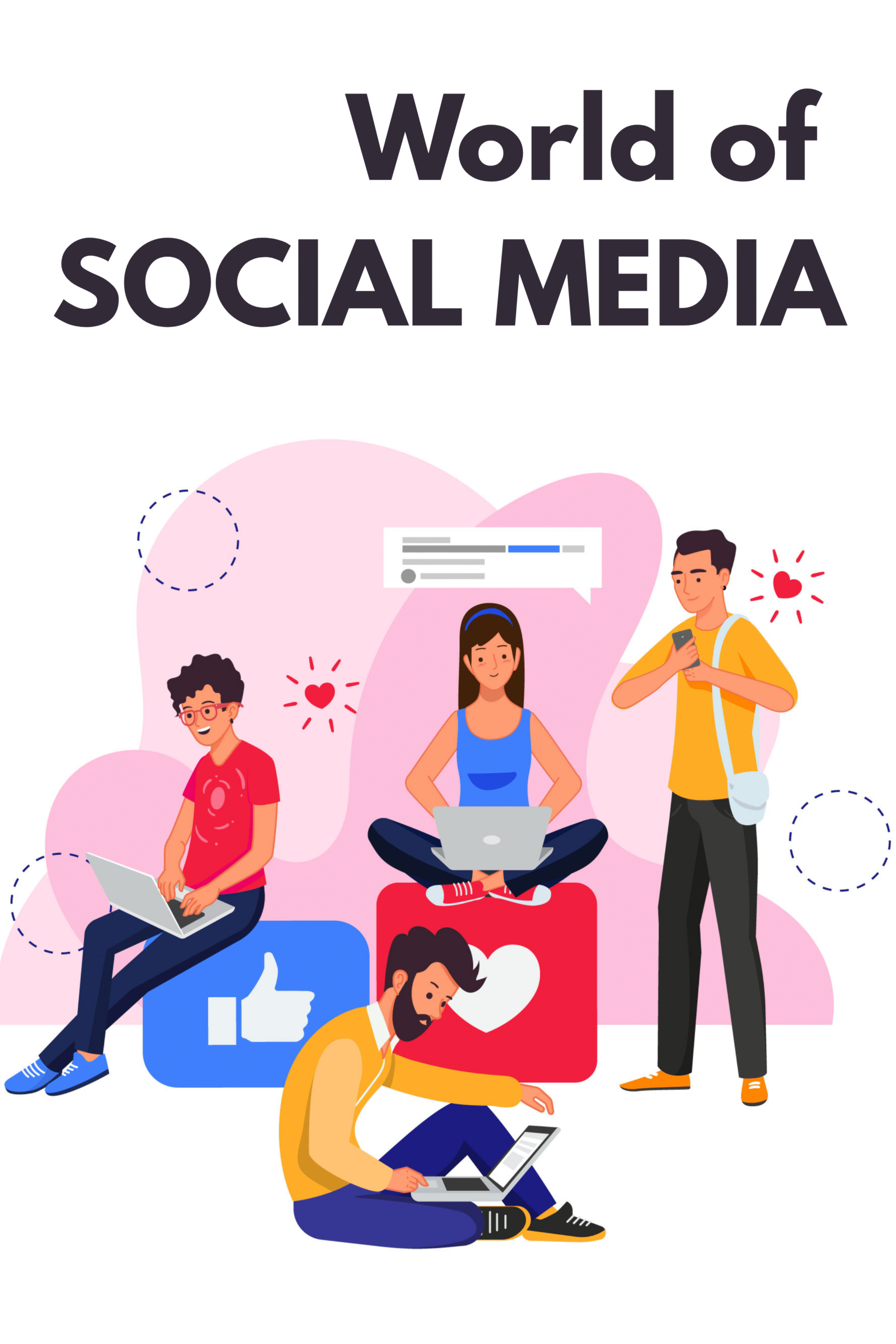
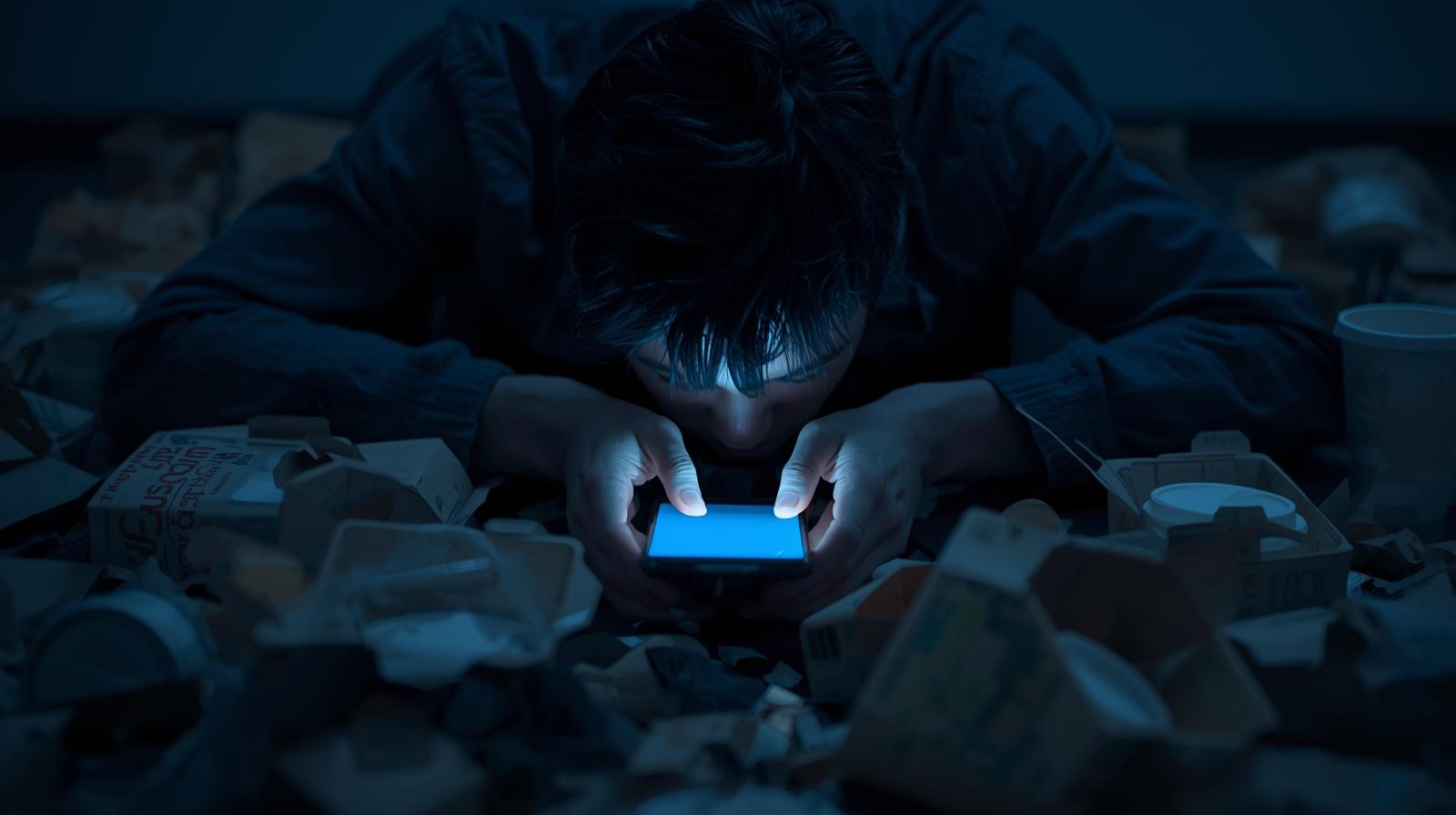
Social media addiction is a type of behavioral addiction where a person feels a strong, uncontrollable urge to use platforms like Instagram, Facebook, Snapchat, and Twitter (X). It involves excessive scrolling, constant checking of notifications, and spending long hours online, often at the cost of real-life responsibilities, relationships, and mental health.
Though not officially classified as a clinical disorder, experts link social media addiction to symptomse similar to other behavioral addictions, such as loss of control, dependency, low attention span, and withdrawal symptoms when access is restricted.
The Digital Era: Challenges and Concerns:
The digital era has transformed our lives, but it also brings growing challenges. Today, society faces cyber threats like data breaches, hacking, and ransomware attacks that cost businesses and individuals billions every year. Another major issue is privacy erosion, as personal data is increasingly treated as a commodity by corporations and third parties.
In addition, the rise of digital addiction and its negative impact on mental health is becoming a serious concern. Platforms designed for engagement often lead to compulsive use, affecting productivity and well-being. The spread of misinformation, fake news, and online manipulation further threatens social trust and stability.
The digital divide is another critical problem, as unequal access to technology widens economic and social inequality worldwide. Moreover, the rapid technological change often outpaces regulations, leaving individuals and society vulnerable to new risks.
Difference Between Normal Use and Addiction:
In today’s digital world, it’s important to understand the difference between normal use and addiction, especially when it comes to technology, social media, or even habits like gaming and shopping.
Normal Use:
Balanced Approach: Normal use means engaging with an activity in a controlled and balanced way without harming your daily routine.
Purposeful Usage: The activity is done for specific reasons such as entertainment, communication, or learning.
Flexibility: A person can easily take breaks or stop without stress or discomfort.
Addiction:
Compulsive Behavior: Addiction is marked by excessive, uncontrollable use of an activity or substance.
Negative Impact: It starts interfering with daily life, work, relationships, and health.
Withdrawal Symptoms: People may feel anxious, restless, or irritable when not engaging in the addictive behavior.
Loss of Control: Even when aware of the negative effects, individuals find it hard to stop.
Signs of Social Media Addiction: How to Identify the Problem
Social media addiction goes beyond casual scrolling. While normal use helps us stay connected, addiction shows specific warning signs that affect daily life. Recognizing these signs early is important for better mental health and balance.
Top Signs of Social Media Addiction:-
Excessive Screen Time – Spending hours on platforms without realizing it.
Compulsive Checking – Constant urge to refresh feeds, even during work or study.
Mood Swings – Feeling anxious, restless, or low when not online.
Neglecting Responsibilities – Ignoring studies, work, or personal relationships due to social media use.
Sleep Disturbance – Staying up late scrolling, leading to poor sleep quality.
Loss of Interest – Preferring online interactions over real-life social activities.
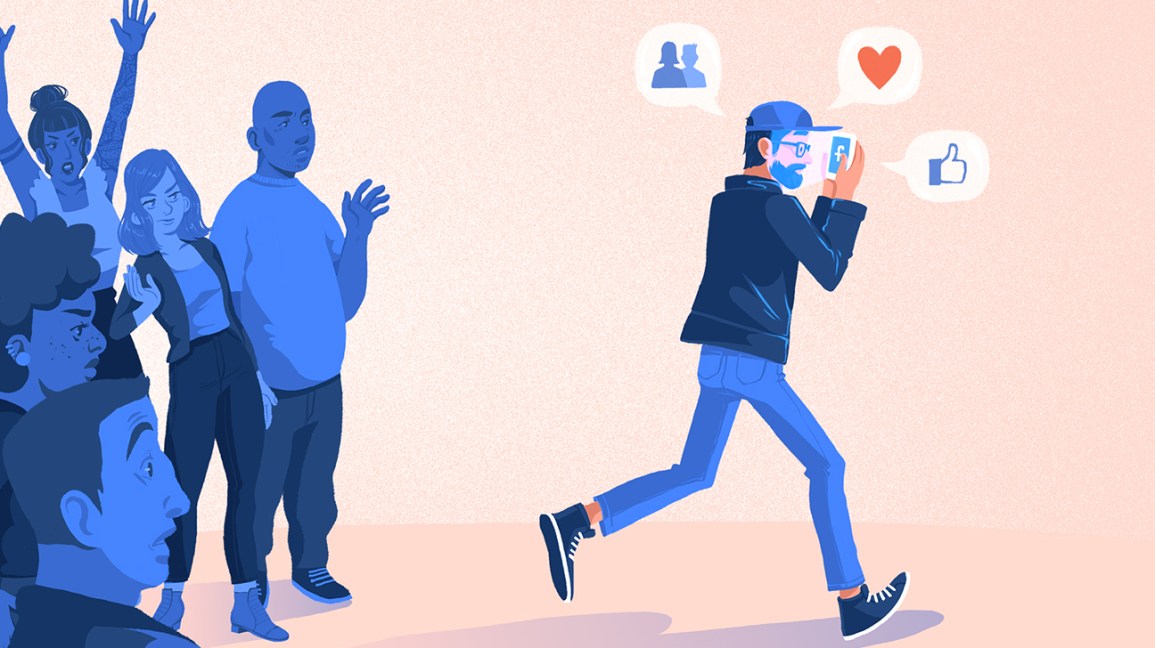
Validation Seeking – Relying heavily on likes, comments, and shares for self-esteem.
Why It Matters:-
Unchecked, social media addiction can negatively impact productivity, relationships, and mental well-being. Identifying these signs helps you take the first step toward healthy digital habits.
When Did Social Media Addiction Start?
Early Days of Social Media Platforms: Facebook, Twitter, and Instagram
The early days of social media platforms like Facebook, Twitter, and Instagram marked a turning point in digital communication. Facebook, launched in 2004, started as a college networking site and quickly expanded to become a global platform for connecting friends and family. Twitter, introduced in 2006, revolutionized communication with its microblogging style and the use of hashtags, making real-time conversations more accessible. Instagram, launched in 2010, shifted focus to visual storytelling, allowing users to share photos and later short videos, which sparked the rise of influencer marketing.
These platforms laid the foundation for the social media boom, shaping how people connect, share, and consume content worldwide. Understanding their beginnings highlights how social media evolved from simple networking tools to powerful platforms that influence communication, marketing, and culture today.
Rise of Smartphones and 24/7 Internet Access:
The rise of smartphones revolutionized how people connect, communicate, and consume content. With the convenience of 24/7 internet access, users can stay online anytime, anywhere, leading to higher screen time, instant updates, and continuous engagement with social media platforms. This constant accessibility has fueled both the growth of digital communities and concerns about overuse and social media addiction.
Growth of Dopamine-Driven Engagement: Likes, Comments, and Shares
In the digital age, social media platforms have mastered the growth of dopamine-driven engagement through features like likes, comments, and shares. Every notification triggers a small release of dopamine in the brain, creating a rewarding cycle that keeps users coming back for more.
This engagement mechanism has transformed social platforms into addictive spaces where people constantly seek validation and social approval. The rise of the “like culture” has made online recognition a major factor in shaping self-esteem, influencing behavior, and even impacting mental health.
By optimizing for dopamine-driven responses, platforms increase user retention and time spent online, fueling both advertising revenue and social media addiction. Understanding this dopamine-driven engagement loop recognizing how modern platforms shape digital behavior.
What Can Social Media Addiction Lead To? (Learn more)
Lack of productivity.
Poor sleep patterns.
Social isolation.
Increased screen time dependency.
The Way Social Media Addiction Affects Mental Health: (Learn more)
Anxiety, depression, and low self-esteem.
Comparison and validation-seeking behavior.
Fear of Missing Out (FOMO).
stress.
loneliness.
The Way Social Media Addiction Affects Physical Health: (Learn more)
eye strain.
poor posture.
sleep issues.
How Social Media Addiction Affects Students: (Learn more)
Reduced academic performance.
Distraction during study hours.
Cyberbullying and peer pressure.
Negative impact on focus and memory.
Reduced Quality Time with Loved Ones.
Trust and Privacy Issues.
Unhealthy Comparison and Jealousy.
Emotional Disconnect.
Long-term effects on career and personal growth: (Learn more)
Reduced Productivity and Focus.
Missed Career Opportunities.
Poor Time Management.
Negative Impact on Mental Health and Motivation.
Wrapping Up:
Social media addiction truly acts as a honey trap—sweet and tempting at first, but ultimately harmful in the long run. While platforms offer entertainment, connection, and instant gratification, overuse often leads to mental health issues, reduced productivity, damaged relationships, and long-term career setbacks. What begins as harmless scrolling quickly turns into a cycle of dopamine-driven engagement that traps users into endless likes, comments, and shares, leaving little space for real-life growth.
“Want to break free from these negative effects? Read our complete guide on How to Overcome Social Media Addiction for practical tips, healthier habits, and proven strategies to regain control.”
“For more tips, read our platform-oriented blogs on how to tackle different types of social media addiction.”





Pingback: Top 10 Negative Effects of Social Media Addiction - Dataspace for Student
Pingback: Top 10 Negative Effects of Social Media Addiction on Mental Health - Dataspace for Student
Pingback: Top 10 Negative Effects of Social Media Addiction on Physical Health - Dataspace for Student
Pingback: Top 10 Negative Effects of Social Media Addiction on Students - Dataspace for Student
Pingback: Top 10 Long-term effects on career and personal growth - Dataspace for Student
Pingback: Best Solutions for Social Media Addiction (Practical & Proven Tips) - Dataspace for Student
Pingback: How to Stop Instagram Addiction-7 Working & Practical Tips - Dataspace for Student
Pingback: How to stop Facebook addiction-7 Working & Practical Tips - Dataspace for Student