SEO for Travel Websites: Rank Higher Destinations and Experiences
In today’s digital-first travel industry, travelers rarely walk into agencies to book their next trip. Instead, they open Google and type queries like “best destinations in Europe” or “things to do in Bali.” If your travel website doesn’t appear in these searches, you’re missing out on potential travelers. That’s where SEO for travel websites becomes the game-changer.
SEO (Search Engine Optimization) is not just about ranking; it’s about creating visibility where your audience is actively searching. Whether you run a travel blog, a tour operator site, or a hotel portal, optimizing for destinations and experiences can directly impact bookings and brand reputation.
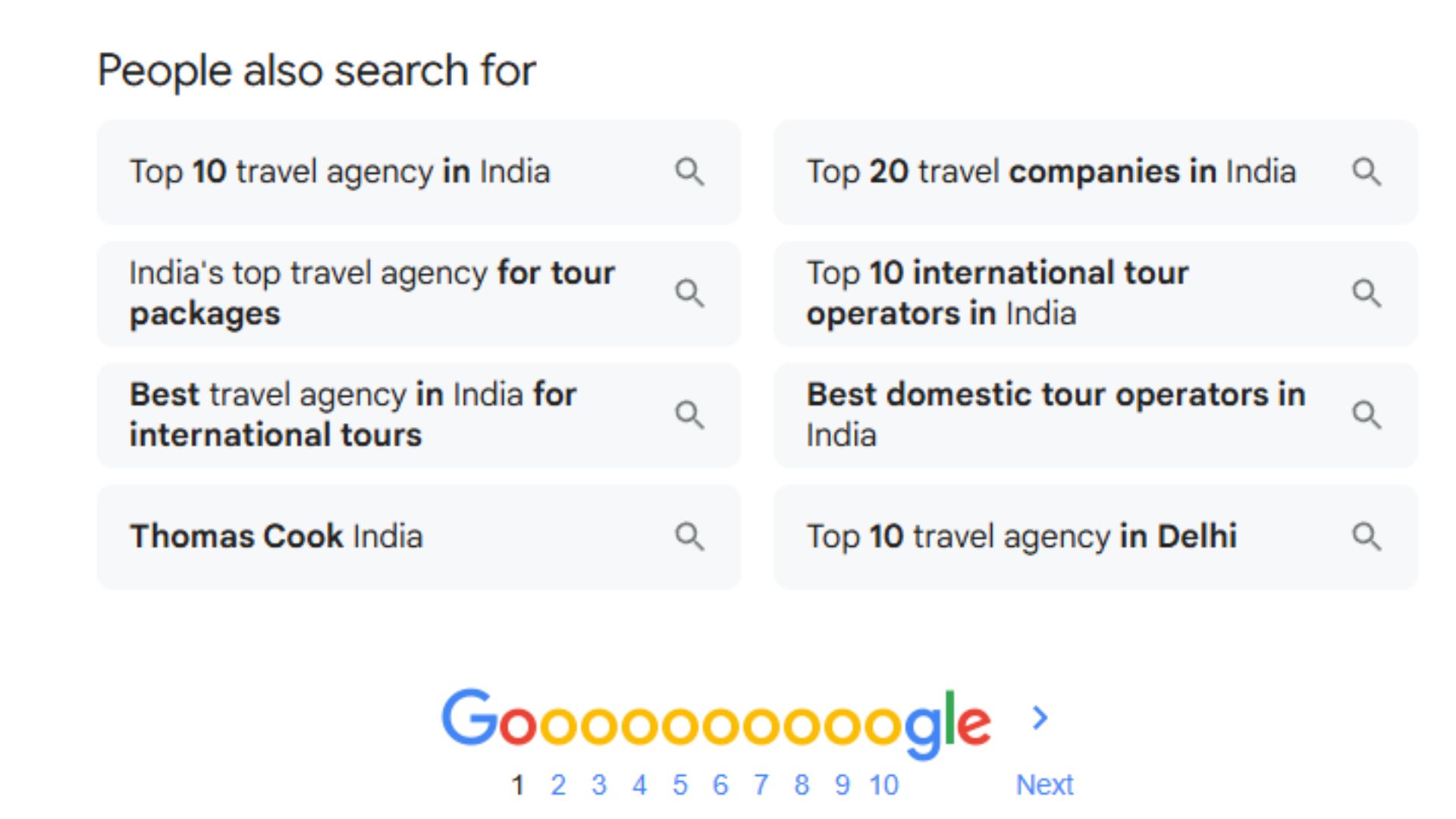
Why SEO for Travel Websites Matters
The travel industry is one of the most competitive digital landscapes. With thousands of travel blogs, booking platforms, and tourism agencies vying for attention, SEO is the most cost-effective way to stand out.
Moreover, modern travelers don’t just search for “cheap flights.” They’re exploring unique experiences, hidden gems, and curated itineraries. By applying the right SEO strategies, travel websites can rank for destination-specific keywords and experience-focused searches, capturing an audience that’s ready to book.
Key Elements of SEO for Travel Websites
When it comes to ranking higher, not every SEO approach works equally. Let’s explore the essentials:
1. Keyword Research for Destinations
Targeting broad keywords like “Italy travel” may be difficult. Instead, niche keywords such as “best hiking trails in Tuscany” or “family-friendly resorts in Goa” bring in more targeted traffic.
Transitioning from generic to long-tail keywords ensures that your content reaches travelers with specific intent.
2. On-Page Optimization
On-page SEO for travel websites includes optimizing meta tags, headers, and URLs with destination and experience-related keywords. For example:
-
Title: Best Things to Do in Bali: A Traveler’s Guide
-
URL: /things-to-do-in-bali
-
Meta description: Discover Bali’s top activities and cultural experiences.
This alignment helps search engines understand your page context while enticing users to click.
3. Content That Sells Experiences
Travel content thrives when it inspires. Instead of just listing hotels or flights, write in-depth guides, travel itineraries, or “hidden gems” articles. Adding visuals, videos, and interactive maps keeps users engaged while improving dwell time—an important SEO factor.
Building Authority Through SEO for Travel Websites
Search engines prioritize trustworthy sources. To build authority:
1. Backlink Building
Partner with tourism boards, local bloggers, and travel influencers to earn quality backlinks. These links not only increase authority but also drive referral traffic.
2. E-E-A-T Principle
Google emphasizes Experience, Expertise, Authoritativeness, and Trustworthiness (E-E-A-T). Share first-hand travel experiences, provide expert tips, and back claims with credible sources.
For example, writing “10-Day Itinerary in Sikkim with Local Insights” positions you as an authentic voice, not just another aggregator site.
Local SEO for Travel Websites
If you offer tours, homestays, or local services, local SEO is a must. Optimizing for Google Business Profile, adding local schema markup, and targeting “near me” keywords can boost foot traffic.
Imagine a tourist searching for “best trekking guide near Gangtok.” With local SEO strategies, your business can appear on top of search results, converting curious visitors into paying clients.
Enhancing User Experience
SEO doesn’t stop at keywords. A poor website experience can drive users away. Therefore:
-
Ensure mobile-first design (since most travelers search on smartphones).
-
Improve site speed (travelers won’t wait for slow-loading pages).
-
Use intuitive navigation for destination categories and itineraries.
A seamless user journey ensures visitors don’t just land on your site but also stay, explore, and convert.
Advanced SEO Tactics for Travel Websites
To gain a competitive edge:
1. Voice Search Optimization
Travelers increasingly use voice search: “What are the best cafes in Pondicherry?” Optimizing for conversational keywords ensures your site is ready for this trend.
2. Structured Data
Implement schema for reviews, tours, events, and locations. This helps search engines display rich snippets, making your site more attractive in results.
3. Content Clusters
Build a hub-and-spoke model. For instance:
-
Main Hub: SEO for Travel Websites: Destination Guides
-
Spokes: Best Beaches in Thailand, Top Winter Destinations in Europe, Cultural Tours in Japan.
This signals topical authority to Google.
Conclusion: Ranking for Destinations and Experiences
Travel is about memories, and travelers today begin their journey with a search. By implementing SEO for travel websites, you don’t just rank higher—you inspire, attract, and convert wanderlust into bookings.
From keyword research to authority-building and from local SEO to advanced tactics, the strategies discussed above help you capture travelers at every stage of their journey.
The destinations are endless, but the key to reaching them digitally lies in optimizing smartly. So, if you want your travel website to shine in search results, start applying these strategies today and watch your visibility soar.