
Innovative Waste Management Solution for a Greener Future
In today’s fast-paced world, the amount of waste we generate is growing at an alarming rate. From overflowing landfills to increasing plastic pollution, the problem is evident everywhere. However, with rising environmental concerns, innovative waste management solutions for a greener future are paving the way toward sustainability. Businesses, governments, and individuals are now turning to eco-friendly approaches that not only reduce waste but also transform it into valuable resources.
Why Waste Management Matters Today
Proper waste management is more than just disposing of garbage. It plays a vital role in:
-
Reducing environmental pollution
-
Conserving natural resources
-
Mitigating climate change impacts
-
Promoting a circular economy
Without sustainable systems in place, waste ends up polluting oceans, degrading soil quality, and affecting human health. That’s why adopting innovative solutions is no longer optional—it’s essential.
Key Challenges in Traditional Waste Management
Before diving into the innovations, let’s understand the limitations of conventional waste handling methods:
-
Landfill Dependence: Most cities rely heavily on landfills, which are rapidly running out of space.
-
High Plastic Pollution: Single-use plastics take hundreds of years to decompose.
-
Inefficient Recycling: Many materials that could be recycled end up as trash due to poor segregation.
-
Lack of Awareness: People are often unaware of how to dispose of waste responsibly.
Overcoming these challenges requires creativity, technology, and a strong community-driven approach.
Innovative Waste Management Solutions for a Greener Future
1. Smart Waste Collection with IoT
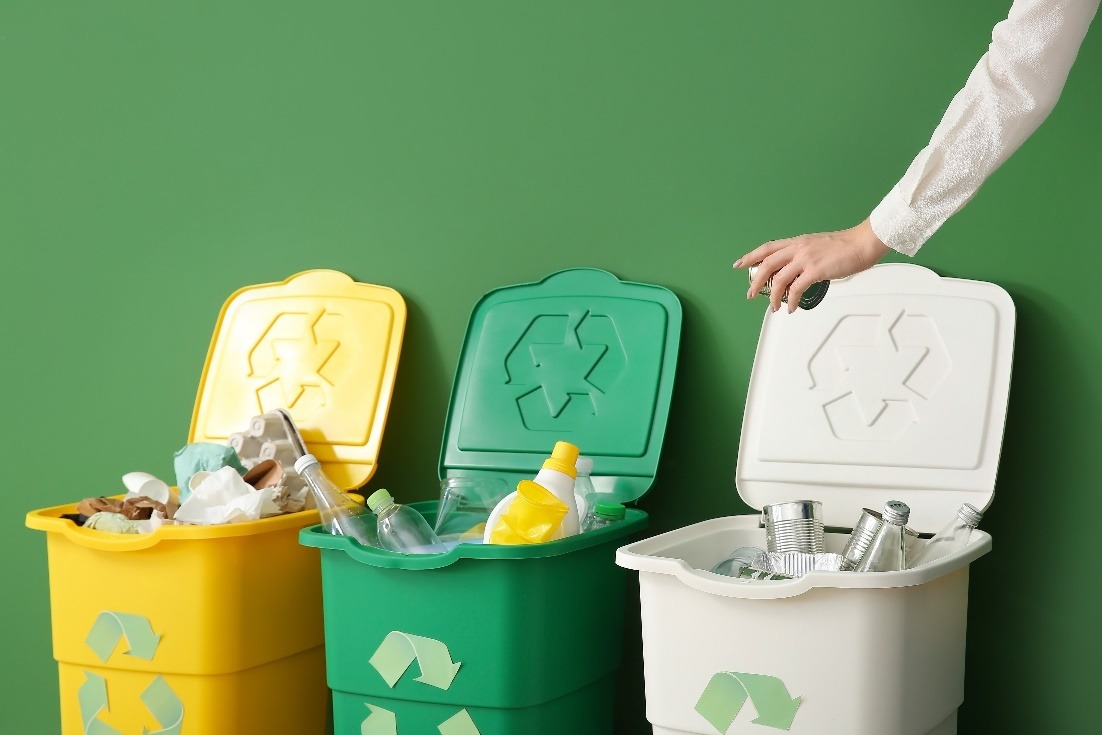
Internet of Things (IoT) devices are being integrated into waste bins to monitor fill levels. These “smart bins” notify collection services when they’re full, reducing unnecessary trips and fuel usage. Cities like Singapore and Amsterdam are already using smart bins to optimize waste collection routes.
2. Waste-to-Energy (WTE) Plants
Instead of dumping non-recyclable waste, modern WTE technologies convert it into electricity or heat. This not only reduces landfill volume but also provides renewable energy. For instance, Sweden imports waste from other countries to fuel its waste-to-energy plants.
3. Biodegradable & Compostable Packaging
To reduce plastic dependency, many companies are adopting biodegradable packaging made from cornstarch, sugarcane, or bamboo. Compostable alternatives ensure that packaging breaks down naturally without harming the environment.
4. Circular Economy Practices
The circular economy focuses on extending the lifecycle of products. Instead of following the “make-use-dispose” model, companies are redesigning products for reuse, repair, and recycling. Brands like Patagonia encourage customers to repair old clothes rather than buy new ones.
5. AI-Powered Recycling Systems
Artificial Intelligence is making recycling smarter. AI-based sorting machines can identify and separate plastics, metals, and glass faster and more accurately than humans. This leads to higher recycling rates and less contamination in waste streams.
6. Community-Led Zero-Waste Initiatives
Grassroots movements are encouraging people to adopt zero-waste lifestyles—reducing consumption, reusing products, and composting at home. Cities like San Francisco have set ambitious zero-waste goals, inspiring other regions worldwide.
7. Industrial Symbiosis
In industrial symbiosis, one company’s waste becomes another’s raw material. For example, heat generated by a power plant can be redirected to nearby industries or households, reducing overall waste and improving efficiency.

Benefits of Innovative Waste Management
By embracing innovative waste management solutions for a greener future, we can achieve:
-
Cleaner Environment: Reduced land, water, and air pollution.
-
Energy Generation: Turning waste into electricity or fuel.
-
Economic Growth: Creating jobs in recycling, green packaging, and renewable energy sectors.
-
Healthier Communities: Less exposure to toxins and pollutants.
-
Sustainable Living: Promoting mindful consumption and responsible disposal.
How Businesses and Individuals Can Contribute
For Businesses:
-
Adopt sustainable packaging.
-
Implement waste segregation and recycling policies.
-
Invest in eco-friendly technology.
-
Educate employees about zero-waste practices.
For Individuals:
-
Segregate waste at home.
-
Avoid single-use plastics.
-
Compost organic waste.
-
Support brands that follow green practices.
-
Spread awareness in your community.
The Future of Waste Management
As technology evolves, we can expect even more groundbreaking solutions—like blockchain for waste tracking, drones for monitoring landfill sites, and advanced nanotechnology for breaking down plastics. The future looks promising, but it requires global cooperation, strong policies, and public awareness.
KEYWORDS
A greener future is only possible when we shift from outdated methods to innovative waste management solutions. Whether it’s through smart technology, renewable energy generation, or community-led efforts, every step counts. By working together, we can transform waste into opportunity and create a sustainable planet for generations to come.