Importance of Forest in Our Life
Forests are often called the “lungs of the Earth” because they produce oxygen and absorb carbon dioxide. forests are very important for the environment and for human life. they absorb carbon dioxide and release oxygen, which is necessary for all living beings. forests are rich in biodiversity and provide shelter to many species of animals, birds, and insects they also prevent soil erosion and reduce the risk of natural disasters like floods and landslides.
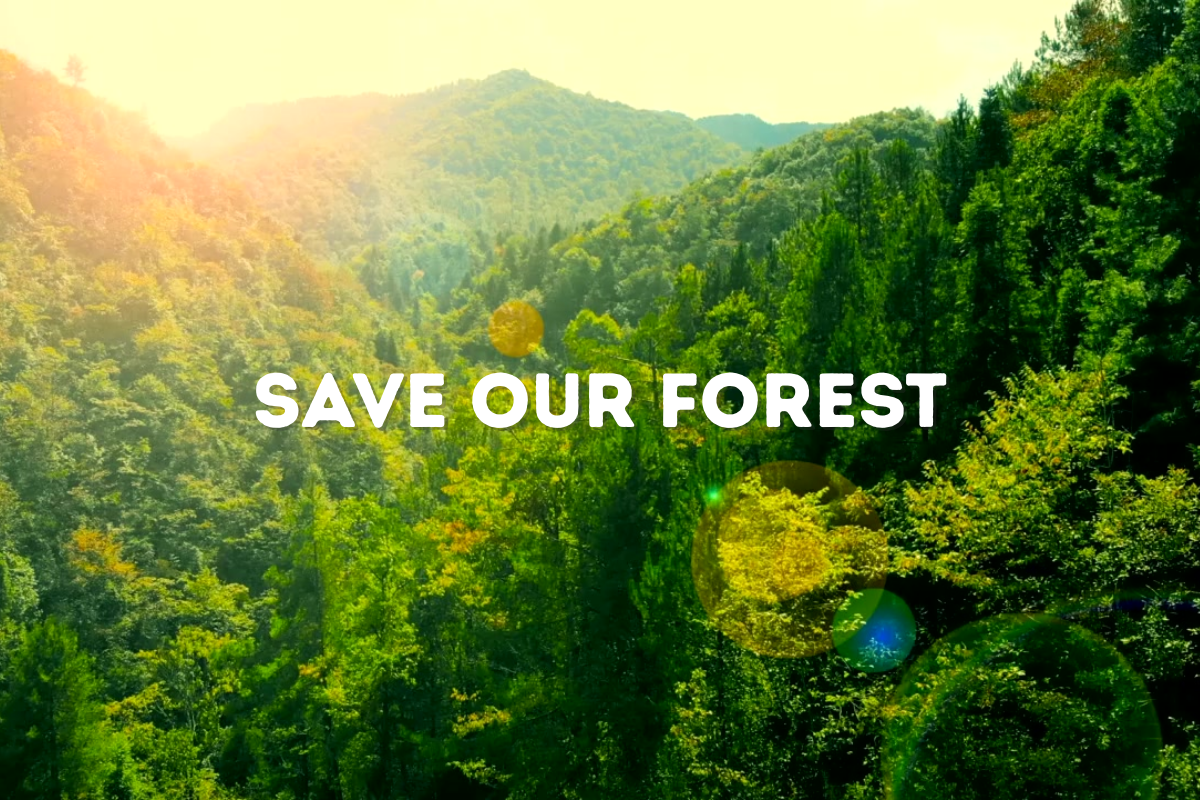
Why Are Forests Important?
Forests are more than just a collection of trees; they are complex ecosystems that provide essential services to both humans and wildlife.
1. Source of Oxygen and Climate Regulation
Forests absorb carbon dioxide and release oxygen, which is vital for survival. They also help regulate global temperatures and rainfall patterns.
2. Habitat for Biodiversity
More than 80% of terrestrial species of animals, plants, and fungi live in forests. Protecting forests means protecting wildlife.
3. Prevention of Soil Erosion
Tree roots hold soil firmly, preventing erosion and landslides, especially in hilly areas.
4. Source of Livelihood and Resources
Forests provide timber, fuel, fruits, medicinal plants, and raw materials for industries, supporting millions of people’s livelihoods.
5. Water Cycle and Rainfall
Forests play a crucial role in the water cycle by maintaining groundwater levels and influencing rainfall.
How Do Forests Help Humans Directly?
-
Provide food (fruits, nuts, honey).
-
Supply medicines (herbal remedies and modern drugs).
-
Offer recreational spaces (eco-tourism, trekking).
-
Purify air and water, making our environment healthier.
Role of Forests in Sustainable Development
Sustainable forest management ensures that resources are used without harming biodiversity. Planting more trees, reducing deforestation, and promoting eco-friendly practices are key to future survival. Read more in our blog on Future of Digital Marketing with AI.
FAQs About Importance of Forests
Q1. Why are forests called the lungs of the Earth?
Because they release oxygen and absorb carbon dioxide, helping life survive.
Q2. How do forests affect climate?
Forests regulate rainfall, reduce global warming, and maintain the carbon cycle.
Q3. What are the main threats to forests?
Deforestation, urbanization, illegal logging, and climate change are the biggest threats.
Q4. How can we protect forests?
By planting trees, reducing paper usage, adopting eco-friendly habits, and supporting conservation programs.