How to Overcome Procrastination and Stay Focused
We’ve all been there—sitting in front of our to-do list, knowing exactly what needs to be done, yet somehow scrolling through social media, binge-watching a series, or convincing ourselves we’ll “start tomorrow.” Procrastination is a universal struggle, but the good news is that it can be managed with the right mindset and strategies.
If you’ve been asking yourself “How do I finally stop procrastinating and concentrate on my goals?”—you’re in the right place. In this blog, we’ll explore how to overcome procrastination and stay focused with simple, practical, and effective tips you can start using today.
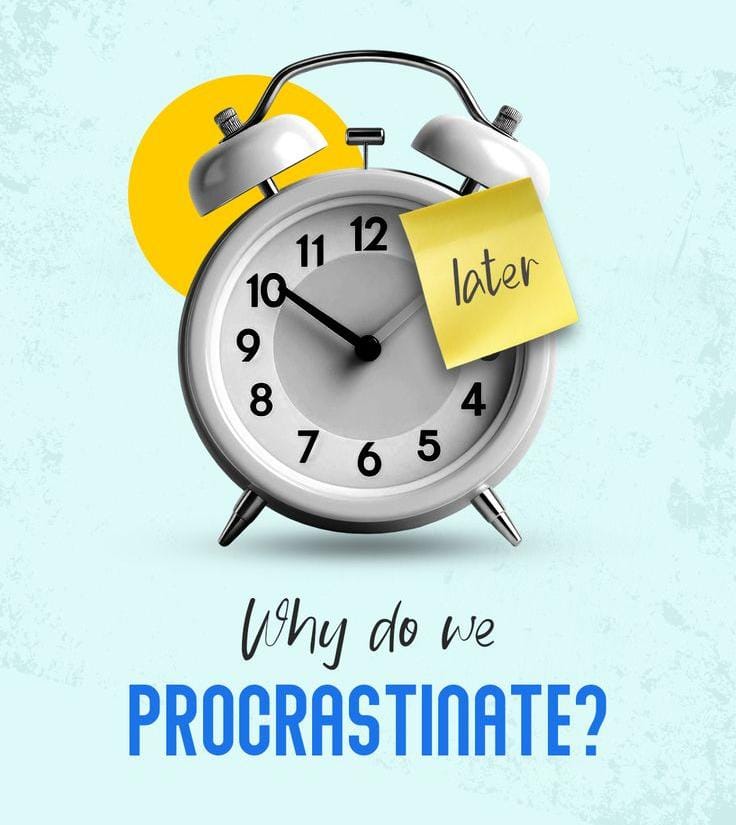
Why Do We Procrastinate?
Before we tackle solutions, it helps to understand the “why” behind procrastination. Common reasons include:
-
Fear of Failure: We delay tasks because we’re afraid of not doing them perfectly.
-
Overwhelm: When tasks feel too big, we avoid them altogether.
-
Lack of Motivation: If a task doesn’t feel rewarding, we push it aside.
-
Distractions: With smartphones and constant notifications, focus becomes harder.
-
Poor Time Management: Without a plan, tasks easily slip away.
Once you identify your reason, it’s easier to target the solution.
How to Overcome Procrastination and Stay Focused
1. Break Tasks into Smaller Steps
Big goals can feel intimidating. Instead of tackling everything at once, divide tasks into smaller, manageable steps. For example, if you need to write a report, start by outlining the key points, then write one section at a time. Progress becomes less overwhelming and more achievable.
2. Use the Two-Minute Rule
If something takes less than two minutes, do it immediately. This simple rule helps prevent small tasks from piling up. For larger tasks, just commit to working for two minutes—you’ll often find momentum carries you further.
3. Prioritize With a To-Do List
Not all tasks are created equal. Use prioritization methods like the Eisenhower Matrix (urgent vs. important) or simply list your top three must-do tasks for the day. Having a clear plan keeps you on track and prevents decision fatigue.
4. Set Specific Deadlines
Without deadlines, tasks tend to drag on indefinitely. Create realistic timeframes for your goals and hold yourself accountable. Even self-imposed deadlines can give you the push you need to act.
5. Eliminate Distractions
Your environment plays a huge role in your focus. Turn off unnecessary notifications, keep your workspace clutter-free, and consider using website blockers if you’re easily tempted by social media. Creating a focused environment sets you up for success.
6. Practice Time Blocking
Time blocking means assigning specific time slots to particular tasks. For example, dedicate 9–11 AM for deep work and 2–3 PM for meetings or emails. This method helps you stay disciplined and prevents multitasking, which often reduces productivity.
7. Reward Yourself
Positive reinforcement works wonders. After completing a task, give yourself a reward—like a coffee break, a short walk, or a quick scroll on your favorite app. Rewards create a cycle where your brain associates productivity with satisfaction.
8. Manage Perfectionism
Perfectionism often fuels procrastination. Remember, done is better than perfect. Focus on progress, not perfection. You can always refine later, but you can’t improve something that doesn’t exist.
9. Build a Routine
Consistency is key to staying focused. Build daily habits like starting your work at the same time each day or dedicating mornings to your most important tasks. Routines reduce the mental effort needed to begin and keep you grounded.
10. Take Care of Your Mind and Body
Your physical and mental well-being directly impact focus. Adequate sleep, regular exercise, and mindful practices like meditation or journaling improve concentration and reduce stress—making procrastination less tempting.
Quick Productivity Techniques to Try
-
Pomodoro Technique: Work for 25 minutes, then take a 5-minute break. Repeat.
-
Eat That Frog: Do your hardest or most important task first thing in the morning.
-
Accountability Partner: Share your goals with someone who keeps you on track.
-
Visualization: Picture the sense of relief and accomplishment once the task is done.
The Long-Term Benefits of Beating Procrastination
Overcoming procrastination isn’t just about getting things done—it transforms your life in deeper ways:
-
You feel more confident and capable.
-
You reduce stress and avoid last-minute panic.
-
You create more free time for activities you love.
-
You achieve long-term goals without constant delays.
Final Thoughts
Learning how to overcome procrastination and stay focused is about creating systems that support productivity while being kind to yourself. Remember, everyone procrastinates at times—it doesn’t make you lazy or unmotivated. What matters is building awareness, starting small, and practicing consistency.
The next time you find yourself delaying a task, pause and ask: What’s one small step I can take right now? Often, that single step is enough to break the cycle and set you in motion.
So, start today. Your goals are waiting for you—don’t let procrastination hold you back.