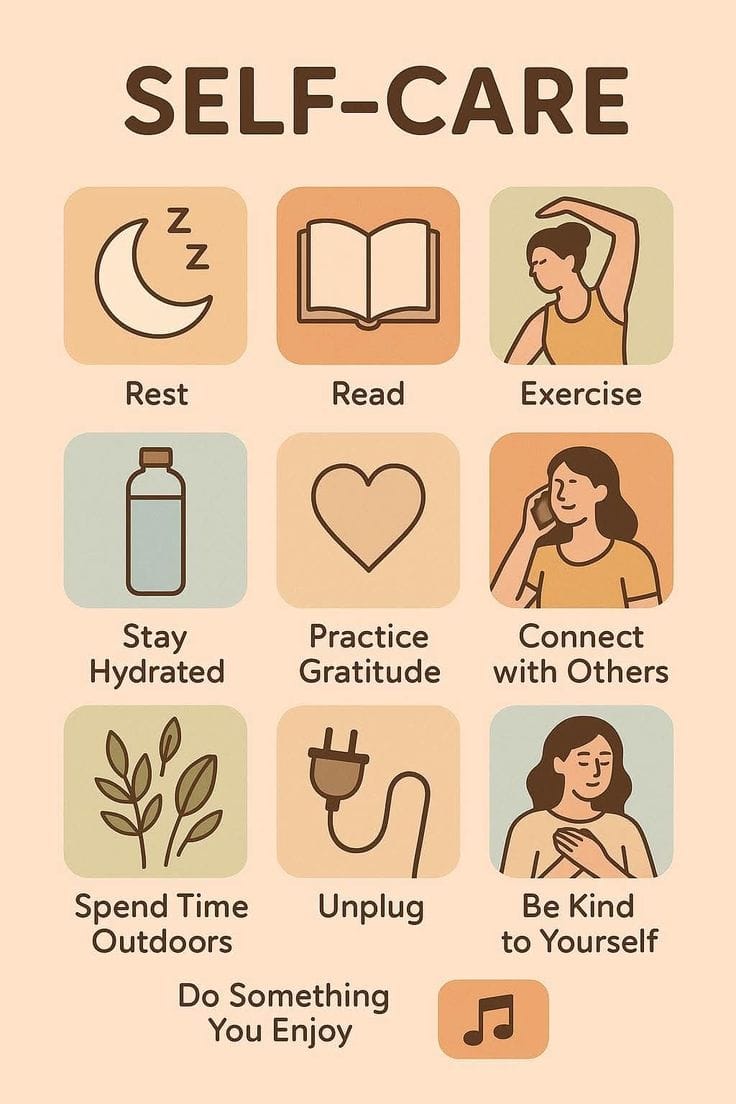
How to Build a Self-Care Routine That Actually Works
Life today often feels like a never-ending cycle of responsibilities, deadlines, and distractions. Between work, family, and the digital noise around us, we rarely pause to ask ourselves: Am I taking care of me? This is why learning How to Build a Self-Care Routine That Actually Works is no longer a luxury—it’s a necessity.
But here’s the catch: self-care is more than just bubble baths and spa days. While those moments are wonderful, true self-care is about creating consistent habits that nurture your mind, body, and soul. In this blog, we’ll explore practical steps to help you design a routine that feels realistic, enjoyable, and sustainable.
What Self-Care Really Means
Self-care is often misunderstood as indulgence, but at its core, it’s about meeting your basic physical, emotional, and mental needs. It’s not selfish—it’s essential. A well-rounded self-care routine ensures you’re recharged enough to show up fully for your personal and professional life.
In simple words: taking care of yourself allows you to take better care of others.
Why You Need a Self-Care Routine
Without structure, self-care can easily slip to the bottom of your to-do list. A routine makes it a priority rather than an afterthought. Here’s why having one matters:
-
Prevents Burnout: Consistent self-care reduces stress and builds resilience.
-
Boosts Productivity: A well-rested mind and body perform better.
-
Improves Mental Health: Helps manage anxiety, depression, and emotional fatigue.
-
Strengthens Relationships: When you feel good, you connect better with others.
-
Supports Long-Term Wellness: Builds healthy habits that last a lifetime.
How to Build a Self-Care Routine That Actually Works
Here’s a step-by-step guide to designing a self-care plan that feels personalized and achievable:
1. Assess Your Needs
Start by reflecting on areas of your life that feel neglected. Ask yourself:
-
Do I need more rest?
-
Am I feeling emotionally drained?
-
Do I spend enough time moving my body?
This self-check will help you identify where your routine should focus.
2. Start Small
One of the biggest mistakes people make is trying to change everything at once. Instead, begin with one or two small habits—like drinking more water or practicing five minutes of meditation daily. Small steps create lasting change.
3. Cover the Core Areas of Self-Care
A balanced routine usually includes:
-
Physical Care: Exercise, healthy eating, proper sleep, hydration.
-
Emotional Care: Journaling, therapy, practicing gratitude, saying no when necessary.
-
Mental Care: Reading, learning new skills, mindfulness practices.
-
Social Care: Spending quality time with friends or family, building supportive relationships.
-
Spiritual Care: Meditation, prayer, or simply connecting with nature.
4. Make It Enjoyable
If your routine feels like a chore, you won’t stick to it. Choose activities that bring you joy. For example, if you dislike running, don’t force it—try dancing, yoga, or even brisk walks instead.
5. Create a Schedule
Set aside dedicated time for self-care. It could be 20 minutes in the morning, an evening wind-down ritual, or a longer session on weekends. Consistency is more important than intensity.
6. Set Boundaries
Self-care often means saying no—to extra work, late-night scrolling, or toxic relationships. Protecting your time and energy is a powerful act of care.
7. Track Your Progress
Keep a simple journal or use a habit-tracking app to stay motivated. Celebrate small wins, like completing a week of morning walks or journaling daily.
8. Be Flexible
Life happens—some days you’ll skip your routine, and that’s okay. Instead of feeling guilty, adjust and get back on track the next day. Self-care should adapt to your life, not the other way around.
Examples of Daily Self-Care Habits That Work
Here are practical ideas you can include in your routine:
-
Morning stretch or light yoga
-
Drinking a glass of water before coffee
-
Writing three things you’re grateful for
-
Spending 10 minutes outside in fresh air
-
Preparing a healthy meal
-
Turning off screens 30 minutes before bed
-
Calling a loved one for a quick check-in
-
Reading a chapter of a book instead of endless scrolling
Common Myths About Self-Care
-
“It’s selfish.” → Reality: You can’t pour from an empty cup.
-
“I don’t have time.” → Even 5 minutes a day makes a difference.
-
“It’s expensive.” → Many self-care practices—like journaling, walking, or meditating—are free.
-
“It’s only for mental health.” → Self-care benefits physical, emotional, social, and spiritual well-being too.
Long-Term Benefits of a Self-Care Routine
When you commit to regular self-care, you’ll notice profound shifts over time:
-
A calmer, more balanced state of mind
-
Improved resilience to stress and challenges
-
Higher self-esteem and confidence
-
Stronger immunity and physical health
-
A sense of fulfillment and purpose in daily life
Final Thoughts
Learning How to Build a Self-Care Routine That Actually Works is about finding balance and consistency—not perfection. It’s about listening to your needs and honoring them daily, even in small ways. Remember, self-care is not an event, it’s a lifestyle.
Start today with one simple habit, and over time, you’ll notice how these intentional moments of care create a stronger, healthier, and more joyful version of you.