What is Artificial Intelligence (AI)?
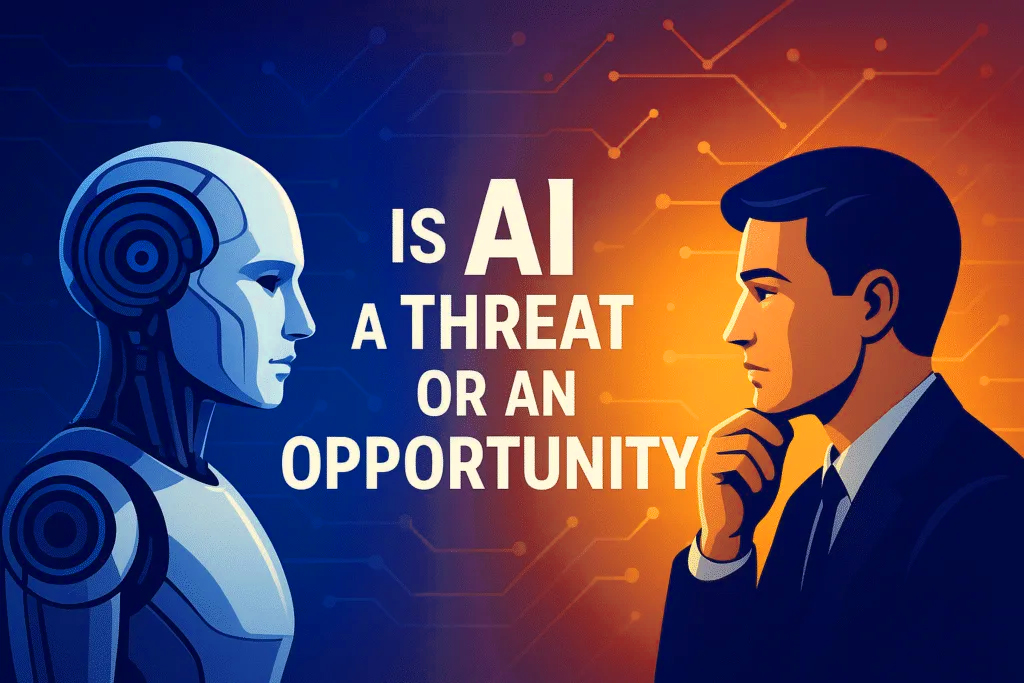
Artificial Intelligence (AI) is a technology that creates machines capable of performing tasks on their own intelligence that normally would require human decision-making. AI has transitioned from science fiction to an integral part of our everyday lives. Whether it’s virtual assistants, recommendation engines, or advanced robotics, AI is reshaping industries and altering the fabric of human society. But with these advancements come growing concerns. Is Artificial Intelligence a threat or an opportunity for humans?
This blog helps you to understand both perspectives, either Artificial Intelligence is a threat or Opportunity for human & how it can impact on our future.
Why is Artificial Intelligence (AI) Important?
Artificial Intelligence refers to the simulation of human intelligence in machines programmed to think, learn, and problem solve. From machine learning algorithms to natural language processing, AI spans a wide range of technologies designed to perform tasks that typically require human intelligence. These tasks include learning from experience, understanding language, recognizing patterns, solving problems, and making key strategic decisions. AI can be found everywhere today, from virtual assistants like Siri and Alexa to self-driving cars and data analysis tools.
AI is broadly categorized into:
- Narrow AI (or Weak AI): Performs specific tasks (e.g., facial recognition, language translation).
- General AI (or Strong AI): Hypothetical systems with human-like cognitive abilities.
- Super Intelligent AI: A futuristic concept where machines surpass human intelligence.
The Opportunity: How AI Benefits Humanity:
- Efficiency and Automation
AI automates repetitive tasks, boosting productivity across sectors like manufacturing, finance, and logistics. This allows humans to focus on more strategic and creative work. AI-powered vision systems inspect products for defects with greater accuracy, ensuring high-quality standards. AI-driven robots perform repetitive and dangerous tasks, improving worker safety, and increasing production efficiency.
- Healthcare Advancements
AI assists doctors in diagnosing diseases more accurately through image analysis, predicting patient health outcomes, and personalizing treatment plans. AI-driven diagnostics, robotic surgeries, and personalized treatment plans are revolutionizing healthcare. Algorithms can detect diseases earlier and with greater accuracy than traditional methods that leading to reduced recovery times and better outcomes for patients.
- Education Personalization
The role of Artificial Intelligence in education is rapidly transforming how students learn and how educators teach. AI-powered tools enable personalized learning experiences, adapting content and pace to meet individual student needs. Intelligent tutoring systems, automated grading and virtual assistants enhance both teaching efficiency and student engagement. By analyzing learning patterns, AI can also help identify struggling students early, allowing for timely intervention and support. AI tailors learning experiences based on individual student needs, making education more accessible and effective. Tools like adaptive learning platforms and AI tutors are already in use.
- Environmental Monitoring
AI plays a key role in tracking climate change, optimizing energy consumption, and supporting sustainable practices. Smart grids and AI-powered conservation efforts help reduce environmental footprints. AI can help create smarter energy grids by analyzing data from sensors, meters, and other devices. This can help utilities better manage the supply and demand of electricity, reduce energy waste, and improve reliability.
- Enhanced Decision Making
One of the noted pros of Artificial Intelligence is decision making. With the power to analyze vast amounts of data in real-time, AI can analyse huge amounts of data at incredible speeds, providing insights that can lead to better decision-making for business and policy decisions. Predictive analytics is widely used in marketing, finance, and law enforcement.
The Threat: Risks and Challenges of AI:
- Job Displacement
One of the primary concerns about AI is the potential for job displacement. As AI and automation technologies can replace or reduce the need for human involvement in certain tasks for that there is an understandable fear that some jobs may become obsolete. While AI can also create new opportunities, we can’t ignore the reality that this is a cause of stress for some employees – it’s important to provide support and reassurance to those who are worried.
- Bias and Discrimination
AI systems often reflect the biases present in their training data, leading to unfair treatment in areas such as hiring, lending, and law enforcement.
- Ethical & Privacy Concerns
The use of AI raises serious questions about ethical and privacy concerns, particularly when it comes to data collection and usage. Organizations need to establish clear guidelines and policies that address these concerns, which will help to maintain trust with employees. Ensuring that AI systems are transparent, fair and respect user privacy is incredibly important.
- Security Threats
There is flaws in AI models or vulnerabilities in their implementation. AI can be weaponized in the form of autonomous drones, cyber-attacks, and deepfakes. These tools pose risks to national security, public safety, and trust in digital information.
- Lack of Accountability
When AI systems make decisions, it can be difficult to determine responsibility in cases of error or harm. The “black box” nature of some algorithms adds to this issue.
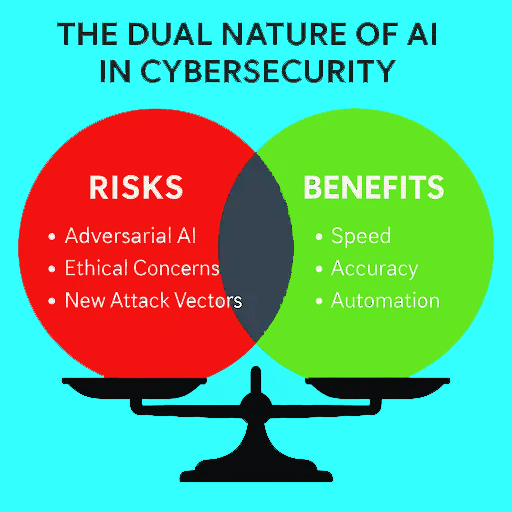
AI: A Dual-Edged Sword
The debate over whether AI is a threat or opportunity is not black and white. In reality, AI is a dual-edged sword—offering immense potential but also significant challenges.
The outcome depends largely on how humanity chooses to govern and develop AI technologies. Responsible innovation, ethical guidelines, and global cooperation are essential to ensure AI benefits everyone.
What the Experts Say
- Elon Musk has warned that AI could be more dangerous than nuclear weapons if not regulated properly.
- Sundar Pichai, CEO of Google, emphasizes the importance of ethical AI and says AI could be “more profound than fire or electricity.”
- UNESCO and other global institutions are pushing for international frameworks to guide AI development responsibly.
Conclusion:
So, the final question is Artificial Intelligence a threat or opportunity for humans?
The answer is both and neither. We have seen the advantages and disadvantages of Artificial Intelligence (AI). If we want to make the world better, we can use AI as a powerful tool to help us in healthcare, research, find new solutions, and improve our skills. AI can be a powerful ally in solving some of the world’s biggest problems. But unchecked, it can deepen inequality, compromise security, and erode trust. However, it is important to acknowledge both AI’s advantages and disadvantages.
In the end, AI’s role in our future depends not on the machines—but on us.
FAQs
- What is the most noticing threat of AI?
The most significant threat of AI is the potential for loss of human control over autonomous systems. This includes the risk of AI making harmful decisions, job displacement due to automation, and the possibility of AI being used for malicious purposes. - Are there opportunities in AI careers?
Yes, there are many opportunities in AI careers. As AI continues to grow, so does the demand for skilled professionals who can develop, implement, and manage AI technologies. Artificial intelligence jobs range from data scientists to AI ethics specialists, offering diverse career paths. - Is AI good or bad for the future?
Whether AI is good or bad depends on how we use it. AI can potentially bring about positive change, but it also poses risks. Responsible development and regulation of AI are key to ensuring it benefits society. - What are the dangers of AI?
The dangers of AI include job displacement, loss of control over AI systems, ethical concerns, and the potential misuse of AI for harmful purposes, such as mass surveillance or autonomous weapons. - What jobs in AI are most in demand?
Currently, the most in-demand jobs in AI include data scientists, machine learning engineers, AI researchers, and AI ethics specialists. These roles are crucial in developing and managing AI systems across various industries.