In the age of automation and machine learning, one question keeps resurfacing: Will AI replace digital marketers? With AI-powered tools handling tasks like content generation, data analysis, and ad optimization, it’s a valid concern. But the answer isn’t as black and white as it seems.
This article explores the evolving role of digital marketers in an AI-driven world and whether AI is here to replace or reinforce their expertise.
The Rise of AI in Digital Marketing
AI is no longer a futuristic concept. It’s actively transforming how businesses approach marketing. Tools like ChatGPT, Google’s Performance Max, Jasper AI, and HubSpot’s AI-powered CRM are revolutionizing:
- Content creation
- Customer segmentation
- Campaign automation
- Predictive analytics
- Personalized user experiences
AI helps marketers work smarter, not harder. It reduces time spent on manual tasks and enables more strategic decision-making. But does this efficiency mean marketers are becoming obsolete?
Tasks AI Can Handle in Digital Marketing
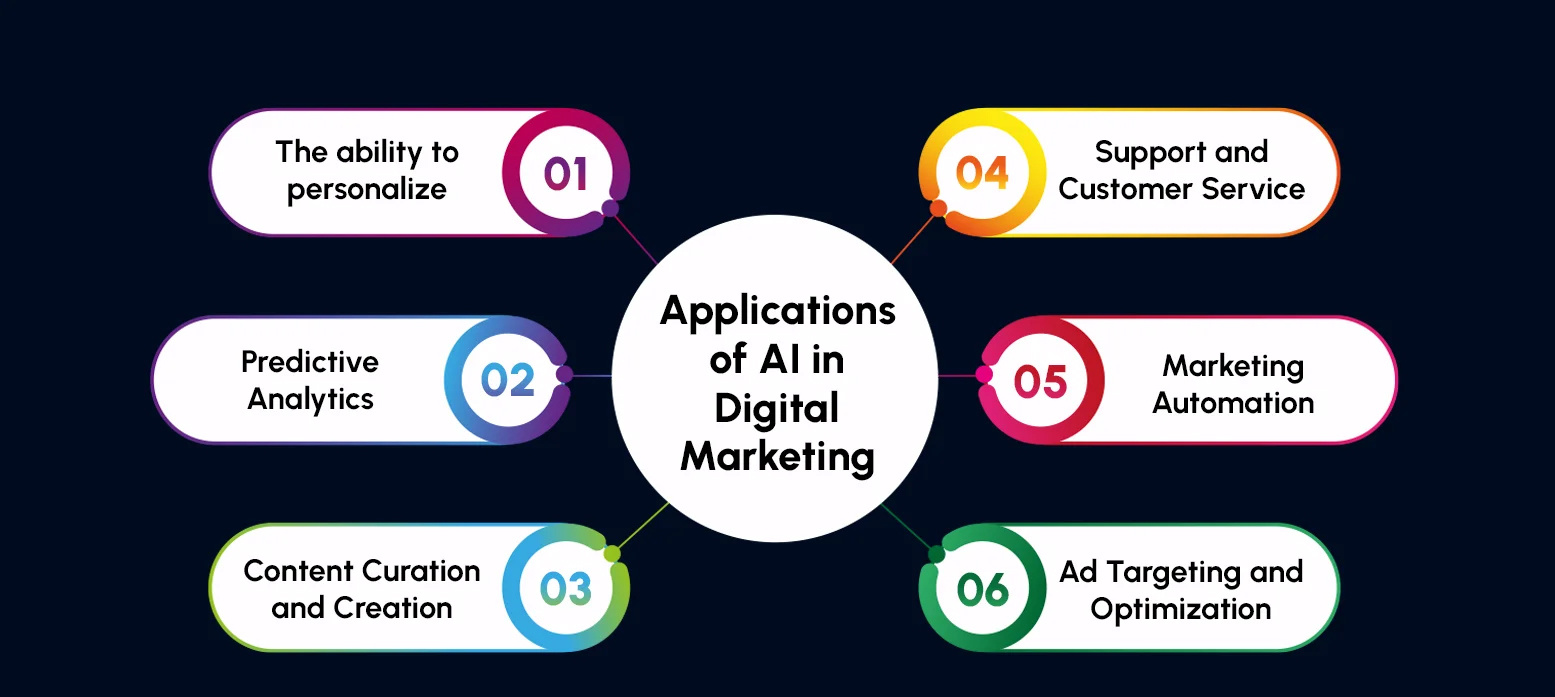
AI is impressive when it comes to automating and optimizing repetitive tasks. Here’s where it excels:
- Data Analysis at Scale
AI can analyze millions of data points in seconds to identify trends, behaviors, and opportunities—something that would take humans weeks to accomplish.
- Email and Ad Personalization
AI tools use customer data to deliver highly personalized messages that convert better and save marketers time on segmentation.
- Chatbots and Customer Support
AI-powered chatbots offer real-time customer service, improving response times and handling FAQs without human intervention.
- SEO and Content Suggestions
AI platforms suggest keywords, headlines, and content ideas based on real-time trends and SERP data, enhancing content strategies.
- PPC Ad Optimization
Platforms like Google Ads now use AI to automatically adjust bids, target the right audience, and improve ROAS (Return on Ad Spend).
The Human Touch: What AI Can’t Replace
Despite its strengths, AI lacks emotional intelligence, creativity, and strategic thinking—the cornerstones of effective marketing. Here’s what still requires a human touch:
- Brand Storytelling
AI can generate content, but it can’t craft a compelling brand story with the nuance, empathy, and context a human brings.
- Creative Strategy
Digital marketing isn’t just about execution—it’s about crafting strategies that resonate with target audiences. AI can assist, but not lead this process.
- Relationship Building
Customer relationships are built on trust, empathy, and understanding—traits that no algorithm can replicate.
- Ethical Judgment
Marketers must make ethical decisions about data usage, privacy, and messaging—areas where AI still falls short.
AI + Human = Smarter Marketing
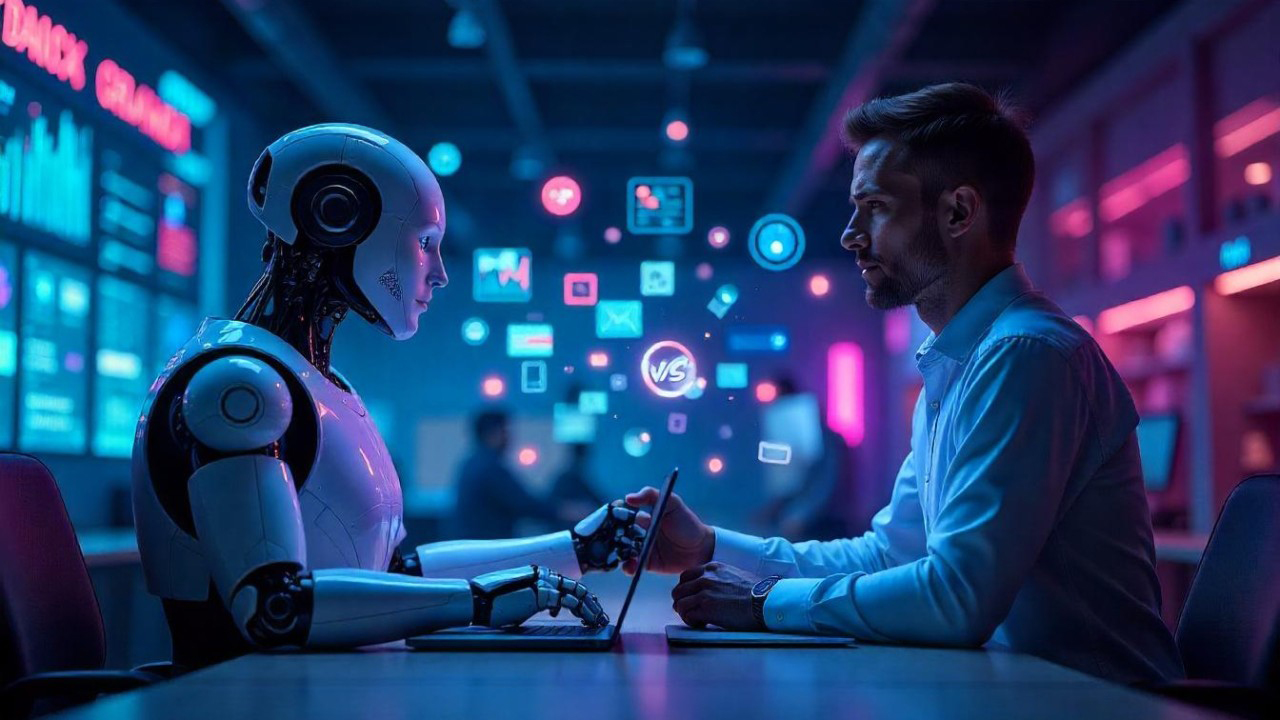
Rather than fearing a future where AI replaces digital marketers, we should embrace a collaborative model. The most successful marketers in the AI era will be those who leverage AI to augment their skills rather than compete with it.
Think of AI as an assistant that:
- Frees up time for strategic thinking
- Provides deep insights for better targeting
- Automates routine tasks
- Enables better personalization at scale
AI can’t replace marketers—but marketers who use AI will replace those who don’t.
Upskilling: The Way Forward for Marketers
To thrive in this evolving landscape, digital marketers must continuously upskill. Here’s how:
- Learn to work with AI tools (ChatGPT, SEMrush AI, Google Analytics 4, etc.)
- Understand data and analytics to make informed decisions
- Strengthen creative thinking and storytelling—AI can’t replicate this
- Stay current with trends in AI ethics and digital compliance
By combining technical know-how with creativity, marketers can future-proof their careers.
Final Thoughts: Will AI Replace Digital Marketers?
So, will AI replace digital marketers? The short answer: No—but it will reshape the profession.
AI is a tool, not a threat. It’s here to automate the mundane and elevate the creative and strategic aspects of digital marketing. The future belongs to marketers who are not just tech-savvy, but also adaptable, creative, and data-driven.
The key isn’t to compete with AI, but to collaborate with it.