AI-Enabled Digital Marketing: Future Trends and Benefits
A Game Changer for 2025 and Beyond
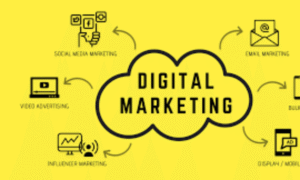
Digital marketing has always been about adapting to new technologies while understanding customer behaviour. Over the years, businesses have shifted from traditional campaigns to data-driven strategies. Nowadays, however, the most significant transformation lies in integrating Artificial Intelligence (AI) into marketing practices. From predictive analytics to hyper-personalised campaigns, AI-enabled digital marketing redefines how brands engage with audiences.
In this blog, we will take a closer look at how AI is shaping digital marketing, why businesses should embrace it, and what the future might bring.
What is AI-Enabled Digital Marketing?
AI-enabled digital marketing refers to the use of machine learning, natural language processing, and advanced algorithms to automate and optimise campaigns. Instead of trial and error, marketers can now leverage customer data to predict outcomes and deliver personalised content right away.
In simpler terms, AI empowers brands to make smarter, faster, and more personalised decisions, ensuring customers feel valued throughout their journey. Moreover, it helps businesses operate more efficiently by reducing repetitive tasks and providing deeper insights into customer behaviour.

Key Benefits of AI in Digital Marketing
1. Personalisation at Scale
Customers today expect relevant experiences across every touchpoint. With the help of AI, businesses can analyse browsing history, previous purchases, and behavioural patterns. Consequently, they can deliver customised offers, email campaigns, and product recommendations. For instance, platforms like Amazon and Netflix have set the standard by suggesting content and products uniquely suited to each user.
In addition, AI-enabled digital marketing personalisation leads to stronger customer loyalty. When customers feel understood, they are far more likely to return and engage with a brand repeatedly.
2. Predictive Analytics
One of the most powerful applications of AI is predictive analytics. By examining large sets of data, AI-enabled digital marketing can forecast customer behaviour, identify emerging trends, and highlight which leads are most likely to convert.
As a result, marketers can focus their efforts on high-value opportunities instead of wasting resources on less promising leads. Furthermore, predictive models allow businesses to prepare for changes in demand, seasonal trends, or shifts in consumer preferences. This forward-thinking approach improves both efficiency and profitability.
3. Chatbots and Customer Support
Customer service is a cornerstone of marketing success. AI-powered chatbots now provide instant assistance 24/7, ensuring customers receive answers without delays.
In addition, these chatbots can guide users during purchases, resolve simple issues, and even make product suggestions. As a result, customer satisfaction improves, while human support teams can focus on complex queries requiring empathy and expertise. Therefore, businesses benefit from reduced costs and happier customers simultaneously.
4. Enhanced Content Creation
Content remains at the heart of digital marketing. Moreover, AI-enabled digital marketing tools are capable of analysing audience data and recommending topics that are more likely to engage readers. They can suggest structures that improve readability, headlines that attract clicks, and even keywords that help articles rank higher in search engines.
Although AI tools can help with ideas, marketers need to maintain a human touch. Combining AI insights with creativity ensures content feels authentic, persuasive, and trustworthy.
5. Smarter Advertising
Digital advertising is becoming increasingly competitive. Fortunately, AI-driven platforms like Google Ads and Meta Ads make it easier to manage campaigns. They automatically optimise bidding strategies, refine audience targeting, and select the most effective placements.
As a result, businesses gain higher returns on their ad spend while reducing manual workload. In addition, AI-powered ads can adapt in real time, meaning campaigns improve continuously without constant human supervision.
Real-World Examples of AI in Digital Marketing
- Coca-Cola uses AI to analyse consumer data and create highly personalised campaigns across multiple regions.
- Spotify leverages AI to recommend playlists tailored to individual listening habits, keeping users engaged for longer.
- Sephora employs AI-driven chatbots to provide beauty advice, product suggestions, and personalised shopping experiences.
These examples show that AI is not just about automation. Instead, it is about building deeper connections, fostering loyalty, and creating experiences that feel personal to each customer.
AI Tools Transforming Digital Marketing
If you’re a digital marketer aiming to scale your efforts, consider these AI-powered tools:
- ChatGPT & Jasper AI – For brainstorming, content writing, and creative campaigns.
- Grammarly—An AI-based editing tool that ensures your content remains clear, polished, and professional.
- HubSpot – A comprehensive platform that combines AI-driven automation, CRM, and customer insights.
- Hootsuite Insights—AI-powered social media monitoring that helps track conversations and measure engagement.
- Google Analytics 4 (GA4)—Provides enhanced tracking of the customer journey using advanced machine learning models.
Together, these tools make marketing strategies more accurate, consistent, and effective.
The Future of AI in Digital Marketing
As technology evolves, AI will continue to transform marketing in new and exciting ways. Looking ahead, several trends stand out:
- Voice Search Optimisation – With Alexa, Siri, and Google Assistant becoming increasingly popular, businesses must adapt content for voice queries.
- Hyper-Personalisation—Campaigns will move beyond general customer segments to deliver experiences unique to each individual.
- Visual and Video Recognition – AI will analyse images and videos shared online to uncover valuable insights about customer preferences.
- Ethical AI Practices – With rising concerns around privacy, businesses will need to prioritise responsible AI use while remaining transparent about data collection.
Therefore, companies that adopt these trends early will secure a significant competitive edge in the years to come.
Should Businesses Invest in AI-Enabled Marketing?
Absolutely! AI is no longer futuristic—it is already reshaping industries today. Companies that implement AI gain a deeper understanding of their customers, improve efficiency, and achieve higher ROI.
Whether you own a small business or manage a large corporation, AI tools are both accessible and scalable. Consequently, even modest investments in AI can deliver impressive results over time. The sooner businesses adopt these technologies, the stronger their digital presence will become.
Final Thoughts
AI-enabled digital marketing is not simply about automation—it is about innovation, efficiency, and meaningful personalisation. From predictive analytics to AI-powered chatbots, the opportunities for marketers are limitless.
In conclusion, the digital marketing landscape is evolving rapidly, and AI is firmly at its centre. By adopting AI-driven strategies, businesses can unlock new levels of creativity, engagement, and growth—making AI the true game changer for 2025 and beyond.