“You look at me and cry; everything hurts. I hold you and whisper: but everything can heal.” – Rupi Kaur
Children today face many challenges, from academic pressure to social expectations and digital distractions. While growing up naturally comes with emotional ups and downs, some children may experience deeper struggles that affect their mental health. As parents, caregivers, or teachers, it is vital to understand how to help a child with mental health issues in a supportive and proactive way.
This blog will provide insights into recognizing signs, offering emotional support, and seeking professional help when necessary.
Why Children’s Mental Health Matters
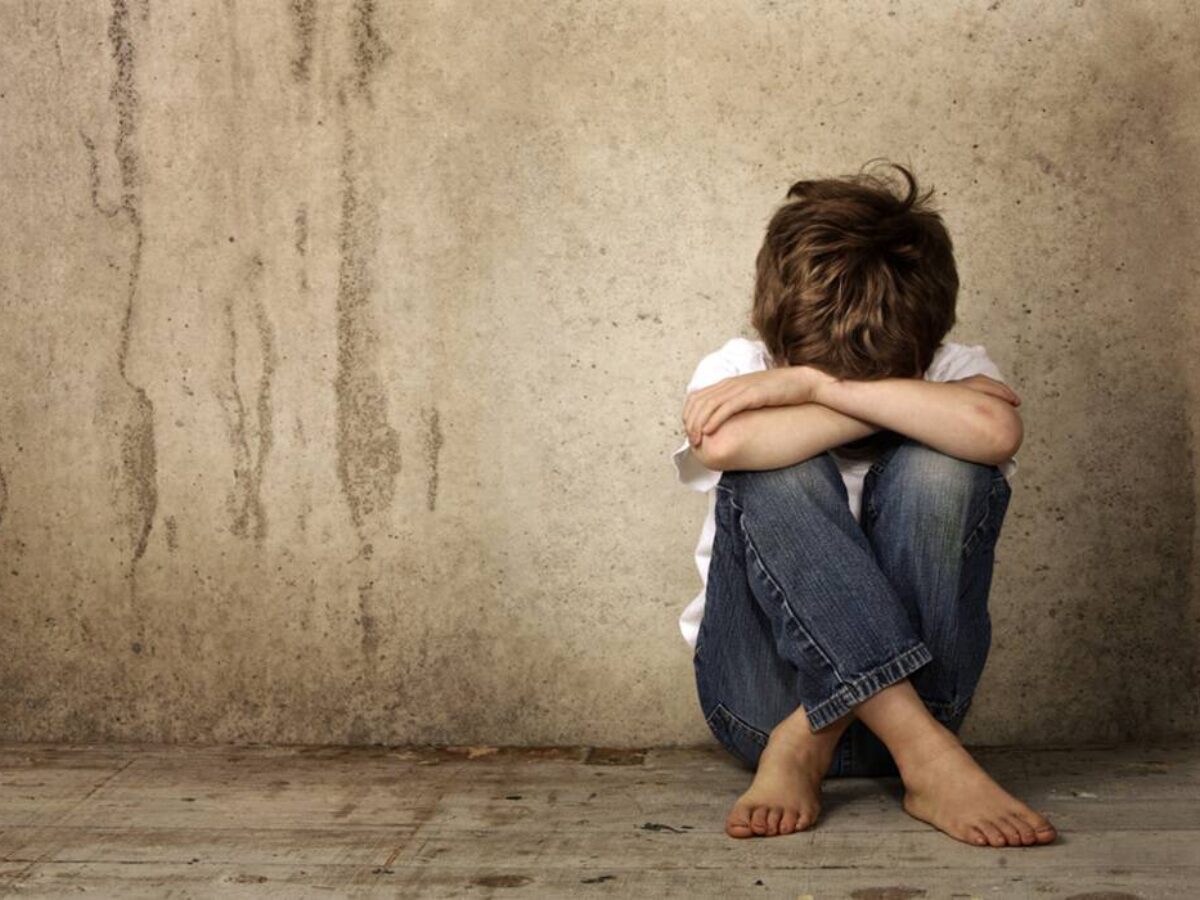
A child’s mental health shapes their overall well-being, academic performance, social interactions, and even physical health. According to the World Health Organization (WHO), 1 in 7 children aged 10–19 experience a mental health disorder, with anxiety and depression being the most common. When left unaddressed, these challenges can impact self-esteem, learning ability, and long-term growth.
Understanding how to help a child with mental health issues is not just about solving problems—it’s about building resilience, trust, and emotional stability for life.
Common Signs of Mental Health Issues in Children
Recognizing early signs is the first step. Children may not always express their struggles verbally, but their behavior, emotions, and actions often tell a story.
Some warning signs include:
- Persistent sadness or irritability lasting weeks or months
- Withdrawal from friends, family, or favorite activities
- Frequent headaches or stomachaches without medical cause
- Difficulty concentrating or decline in school performance
- Excessive worry or fearfulness
- Changes in sleep or appetite
- Aggressive or self-destructive behavior
If these patterns persist, it may indicate deeper emotional struggles.
Practical Ways to Help a Child with Mental Health Issues
1. Open Honest Conversations
Encourage your child to express feelings without fear of judgment. Instead of dismissing their worries, validate their emotions by saying things like, “I understand you’re feeling sad, and that’s okay.” Active listening builds trust and shows them they are not alone.

2. Create a Supportive Home Environment
A stable, loving, and consistent environment helps children feel safe. Maintain daily routines, establish clear boundaries, and provide unconditional love. Small gestures—like eating meals together—can strengthen emotional security.

3. Encourage Healthy Lifestyle Habits
Physical well-being directly impacts mental health. Support your child by:
- Ensuring they get adequate sleep
- Encouraging nutritious meals
- Promoting physical activity and outdoor play
- Limiting excessive screen time
These simple changes can improve mood and reduce anxiety.
4. Teach Coping Skills
Help your child manage stress with practical tools like deep breathing, journaling, or mindfulness exercises. Role-playing scenarios, such as how to handle bullying or peer pressure, can also prepare them for real-life challenges.
5. Monitor Academic Pressure
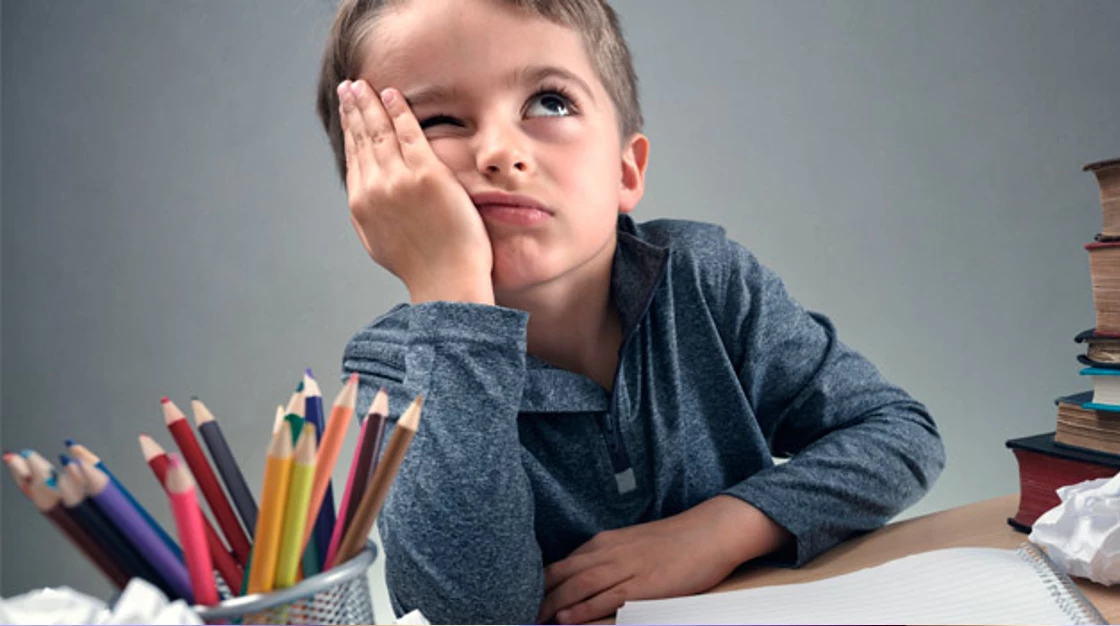
Academic stress is a major trigger for many children. Work closely with teachers to understand their workload and offer encouragement rather than criticism. Celebrate small achievements to boost self-confidence.
6. Encourage Social Connections
Friendships and positive peer interactions are crucial for emotional well-being. Encourage playdates, extracurricular activities, or hobbies that allow your child to connect with others in a healthy way.

7. Seek Professional Help When Needed
Sometimes, support at home isn’t enough. Therapists, child psychologists, or school counselors can provide professional guidance. Don’t delay in seeking help if symptoms persist or worsen. Early intervention can prevent long-term challenges.

How Parents Can Take Care of Themselves Too
Supporting a child with mental health issues can be emotionally draining. Parents and caregivers must also prioritize self-care to avoid burnout. Joining support groups, speaking with professionals, or simply taking time to relax can improve your ability to care for your child effectively.
The Role of Schools and Communities
Schools play a crucial role in identifying and supporting children’s mental health needs. Teachers can provide early observations, while school counselors can guide families toward professional resources. Communities can also contribute by raising awareness, reducing stigma, and offering accessible mental health programs.

Breaking the Stigma Around Children’s Mental Health
Many families hesitate to discuss mental health due to fear of judgment. However, normalizing conversations around emotional well-being helps children feel safe in seeking support. By treating mental health just like physical health, we can reduce stigma and ensure every child gets the help they need.
Final Thoughts
Knowing how to help a child with mental health issues requires patience, empathy, and timely action. Whether it’s through open communication, creating a supportive environment, or seeking professional care, your involvement can make a significant difference in your child’s life.
By recognizing the signs early and offering consistent support, you can empower your child to build resilience and thrive, no matter the challenges they face.