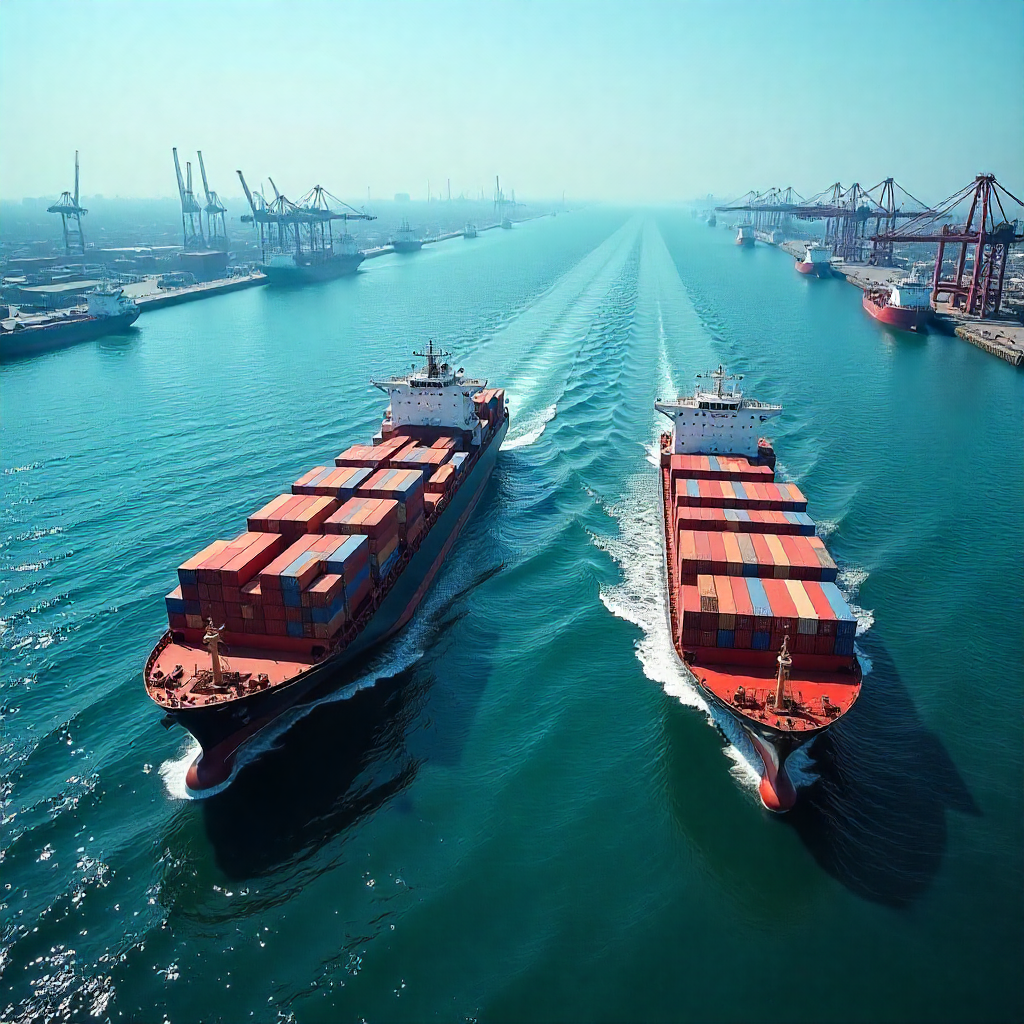
India-USA Relations in Recent Times: Focus on Trade Tariffs
The relationship between India and the United States has evolved into one of the most crucial partnerships of the 21st century. From defense cooperation to technology sharing, and from cultural ties to global diplomacy, both countries have steadily built a strong foundation. However, in recent times, the issue of trade tariffs has been a recurring challenge that continues to shape the dialogue between the two largest democracies.
In this blog, we will explore the current state of India-USA relations, the impact of trade tariffs on bilateral ties, and what the future holds for this dynamic partnership.\
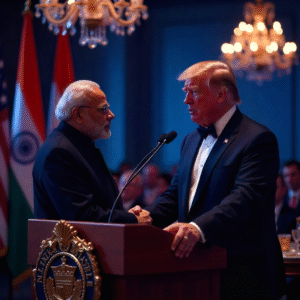
Historical Context of India-USA Trade Relations
India and the USA have shared diplomatic ties since India’s independence in 1947, but the relationship truly gained momentum after the 1990s when India liberalized its economy. The US quickly emerged as one of India’s biggest trading partners, importing everything from IT services and textiles to pharmaceuticals and gems.
Over the years, the relationship diversified beyond trade to include cooperation in defense, energy, education, and counterterrorism. Today, the partnership is often described as a “strategic global partnership.” Yet, trade tariffs remain a recurring friction point.
Trade Tariffs: A Point of Contention
One of the key challenges in India-USA trade relations has been tariff and market access issues.
-
The US has long argued that India maintains high tariffs on agricultural products, automobiles, and technology goods.
-
India, on the other hand, contends that American protectionist policies and restrictions—particularly under the Trump administration—hurt its exports, such as steel, aluminum, and IT services.
For example, in 2019, the US terminated India’s designation under the Generalized System of Preferences (GSP), which had allowed duty-free access for many Indian goods. India responded by imposing tariffs on US goods like almonds, walnuts, and apples.
While the Biden administration has adopted a more cooperative approach, the tariff dispute still lingers.
Recent Developments in India-USA Relations
Despite trade differences, the overall India-USA relationship has strengthened in recent years. Key developments include:
-
Strategic Defense Cooperation – Both nations are part of the Quad alliance (with Japan and Australia), aimed at ensuring security and stability in the Indo-Pacific region.
-
Technology & Innovation – Joint collaborations in semiconductors, 5G, artificial intelligence, and clean energy are at the forefront of the partnership.
-
Diplomatic Engagements – Frequent high-level visits, including Prime Minister Modi’s state visit to Washington in 2023, have showcased a growing political understanding.
-
Trade Growth Despite Disputes – Bilateral trade hit a record high of over $190 billion in 2023, making the US India’s largest trading partner.
These developments suggest that while tariffs are a challenge, the relationship is much broader and resilient.
The Economic Stakes
For both India and the US, trade remains a pillar of economic growth.
-
India’s Perspective: The US is its largest export destination, particularly for IT services, pharmaceuticals, textiles, and agricultural products.
-
US Perspective: India is a fast-growing consumer market for American companies, especially in sectors like energy, defense equipment, medical technology, and education.
Thus, resolving tariff issues is not just about easing trade but also about unlocking the full potential of this economic partnership.
The Way Forward: Can Tariff Disputes Be Resolved?
The future of India-USA trade relations depends on diplomatic negotiation and economic pragmatism.
-
Mutual Market Access – Both countries need to lower barriers and improve access for goods and services.
-
Balanced Approach – The US should recognize India’s role as a developing economy, while India must address concerns of high tariffs on certain imports.
-
Bilateral Trade Agreements – A comprehensive trade deal, though challenging, could provide long-term stability.
-
Cooperation in Emerging Sectors – By focusing on technology, renewable energy, and digital trade, both nations can shift the narrative away from tariff disputes.
Global Implications
India-USA relations are not just bilateral—they influence global geopolitics.
-
Strong ties between the two nations counterbalance the growing influence of China in the Indo-Pacific.
-
A stable trade partnership also strengthens supply chain resilience, particularly in critical sectors like semiconductors and pharmaceuticals.
-
Both countries’ cooperation on climate change, defense, and health security has far-reaching global consequences.
Conclusion
The story of India-USA relations in recent times is one of both collaboration and contention. While trade tariffs remain a sticking point, the overall relationship continues to deepen, driven by shared democratic values, economic opportunities, and strategic interests.
As both nations look ahead, the key lies in turning tariff disputes into opportunities for negotiation and strengthening a partnership that has the potential to reshape global economic and political landscapes.