Where to Begin with Meditation: A Beginner’s Guide
to Begin with Meditation in today’s fast-paced world, stress, distractions, and constant digital noise have become part of our daily lives. Many people search for ways to feel calmer, focused, and balanced. One of the most effective solutions is meditation. But if you’re completely new, the question often arises: where to begin with meditation? Let’s explore step by step.

Understanding Meditation
Meditation is not about emptying your mind or stopping thoughts completely. Instead, it’s about learning to observe your thoughts without judgment and returning your focus gently to the present moment. Think of it as training your mind the same way you would train your body through exercise.
Step 1: Set Your Intention
Before you start, ask yourself why you want to meditate. Do you want to reduce stress, improve concentration, or simply create more peace in your life? Setting a clear intention helps you stay motivated when your mind wanders or when it feels difficult to sit still.
Step 2: Create a Comfortable Space
You don’t need a fancy setup to meditate. Find a quiet spot in your home where you feel comfortable. It could be a corner of your bedroom, a cozy chair, or even a cushion on the floor. Keep distractions away—switch off notifications, dim the lights, and make the space inviting.
Step 3: Start Small
Many beginners think meditation requires sitting for hours. In reality, just 5 to 10 minutes a day is enough to begin. Short, consistent practice is more effective than occasional long sessions. As you grow comfortable, you can slowly extend the duration.
Step 4: Focus on Your Breath
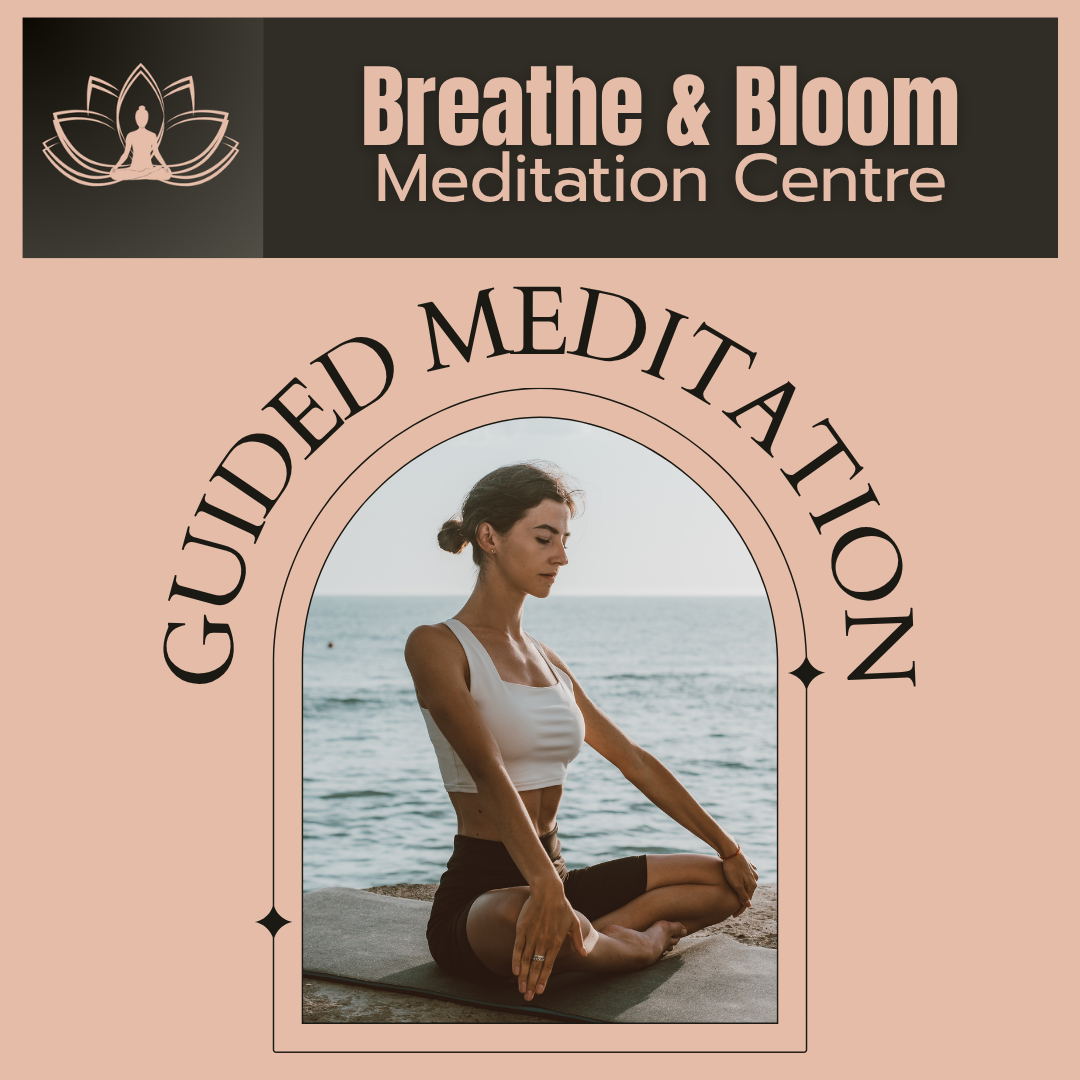
The simplest way to start is through mindful breathing. Sit comfortably, close your eyes, and notice your breath. Feel the air moving in and out, the rise and fall of your chest, and the pause between inhaling and exhaling. Each time your mind drifts, gently guide it back to the breath.
Step 5: Try Guided Meditations
If sitting in silence feels challenging, guided meditations can be very helpful. These are available through apps, podcasts, or YouTube. A teacher’s voice will gently lead you through the process, making it easier to stay focused.
Step 6: Be Kind to Yourself
It’s normal for your mind to wander, especially when you’re just beginning. Don’t get frustrated or feel like you’re “failing.” Meditation is about practice, not perfection. Each time you notice your thoughts drifting and return to your breath, you are strengthening your awareness.
Step 7: Build Consistency
Like any new habit, meditation takes time. Choose a specific time each day—morning, before bed, or during lunch breaks. A routine helps build consistency. Even a few minutes daily can lead to noticeable benefits over time.
Step 8: Explore Different Techniques
Once you feel comfortable with basic breath meditation, you can explore other styles such as:
-
Body Scan Meditation – focusing attention on different parts of the body.
-
Loving-Kindness Meditation – cultivating compassion towards yourself and others.
-
Mantra Meditation – repeating a calming word or phrase.
-
Mindfulness Meditation – paying attention to the present moment in daily activities.
Experiment to find the style that feels most natural for you.
The Benefits of Meditation
Regular practice brings multiple benefits—reduced stress, better focus, improved emotional well-being, and even better sleep. Many people also find it helps them respond more calmly in challenging situations.
Final Thoughts
If you’ve ever wondered where to begin with meditation, the answer is simple: start small, be consistent, and stay patient with yourself. You don’t need special tools or years of experience to benefit. Just a few minutes each day can transform your mental clarity and emotional balance.