Gen Z Mental Health Trends: How a Generation is Redefining Wellbeing
In recent years, mental health conversations have shifted dramatically, and Gen Z Mental Health Trends are leading the way. Born between the mid-1990s and early 2010s, Gen Z is the first fully digital-native generation, growing up with smartphones, social media, and 24/7 connectivity. But while this brings unique challenges, it also makes them the most vocal, open, and innovative generation when it comes to mental health.
This blog explores how Gen Z Mental Health are reshaping therapy, wellness, and even digital culture in 2025.
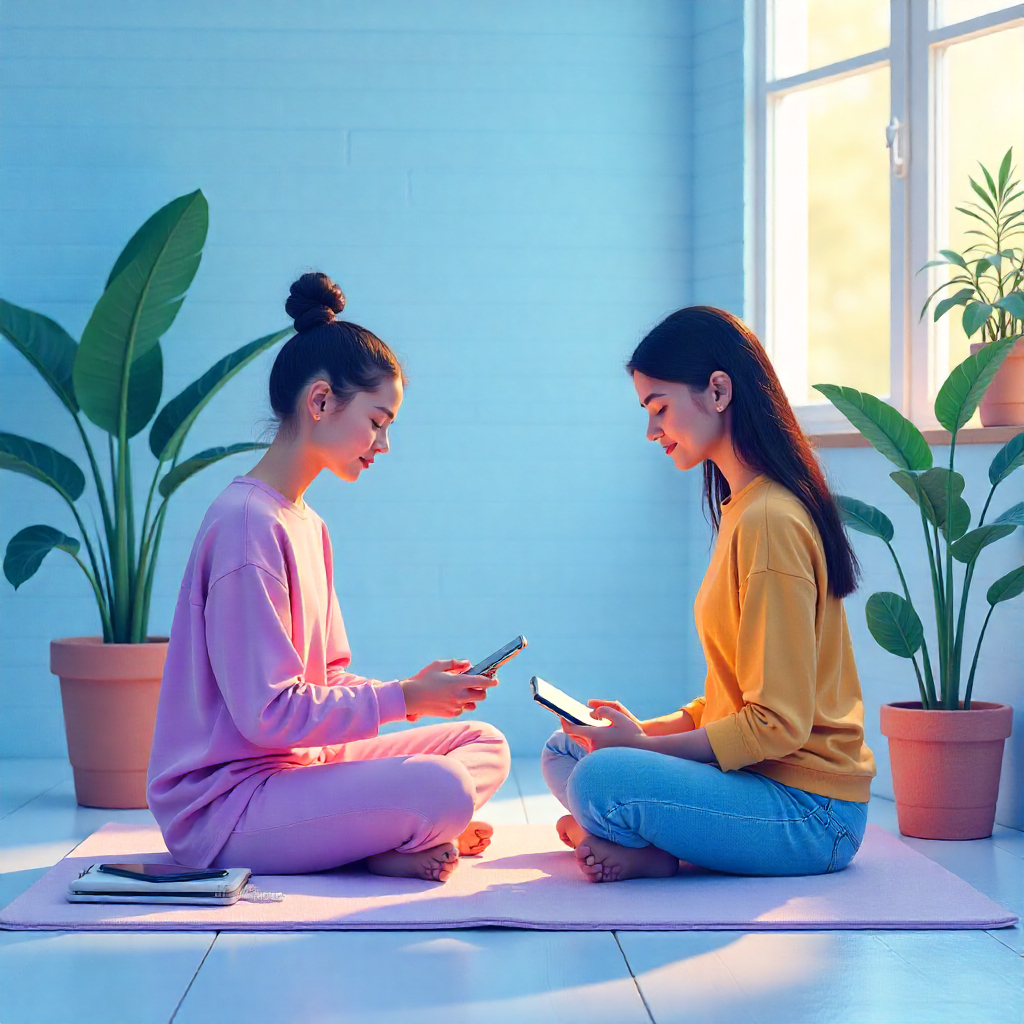
Why Mental Health is a Priority for Gen Z
Unlike previous generations, Gen Z openly acknowledges the importance of mental health. Stigma around therapy, anxiety, or depression is gradually fading, largely because Gen Z has normalized talking about it.
-
Accessibility of Resources: With mental health apps, online therapy platforms, and TikTok therapists, help is more available than ever.
-
Openness to Discussion: Social media has become a safe space to share struggles, whether it’s burnout, loneliness, or self-care tips.
-
Community-Driven: Instead of suffering in silence, Gen Z seeks out online and offline communities that foster belonging.
This shift in mindset has made Gen Z Mental Health Trends both cultural and personal movements.
🌱 Key Gen Z Mental Health Trends in 2025

Digital Therapy and Mental Health Apps
Gen Z is tech-first, so it’s no surprise that therapy has moved online. Platforms like BetterHelp, Talkspace, and even AI-driven mental wellness tools have become part of daily routines. These digital spaces make therapy more affordable and accessible for young adults navigating school, careers, and personal challenges.
The Rise of “Sleepmaxxing”
One unique Gen Z Mental Health Trend is prioritizing sleep as a wellness tool. Unlike hustle culture, where sleep was seen as laziness, Gen Z embraces sleepmaxxing—optimizing rest with routines, sleep-tracking devices, and mindfulness practices. Rest is no longer a luxury, but a foundation for better mental health.
Real-Life Communities Over Screens
Despite being the “digital generation,” Gen Z is actively seeking offline connection. Mental health run clubs, book clubs, and local meetups are replacing endless scrolling. This trend shows the generation’s awareness that while online resources are useful, in-person connections build deeper emotional resilience.
Financial Stability as Mental Health Care
Economic uncertainty weighs heavily on Gen Z, making financial wellness a mental health priority. Many young adults equate stability with reduced anxiety. Budgeting apps, financial therapy, and honest conversations about money are seen as essential mental health practices.
Redefining Relationships & Priorities
Another key Gen Z Mental Health Trend is shifting life milestones. Many are delaying marriage or parenting, focusing instead on pets, friendships, and self-growth. Emotional wellbeing is no longer tied solely to traditional roles but defined by personal happiness.
🌍 The Role of Social Media in Gen Z Mental Health
Social media is both a friend and foe when it comes to Gen Z Mental Health Trends.
-
The Positive Side: Platforms amplify awareness, provide education, and connect people with similar struggles. Campaigns around self-love, body positivity, and destigmatizing therapy thrive here.
-
The Negative Side: Constant comparison, online bullying, and unrealistic standards contribute to anxiety and depression.
The balance Gen Z seeks is authenticity. They prefer creators who share raw, unfiltered experiences over polished perfection.
🌟 Gen Z’s Unique Approach to Therapy
Traditional therapy still plays a role, but Gen Z personalizes it:
-
Blended Approaches: Combining talk therapy with meditation, journaling, and lifestyle changes.
-
Group Therapy & Peer Support: Many find comfort in group sessions where shared experiences reduce feelings of isolation.
-
Holistic Focus: Gen Z sees mental health as connected to physical health, diet, sleep, and financial wellbeing.
This holistic perspective has redefined therapy for the new generation.
💡 What Other Generations Can Learn
The openness of Gen Z Mental Health Trends offers lessons for Millennials, Gen X, and even Baby Boomers:
-
Talking about struggles reduces stigma.
-
Prioritizing rest and balance improves long-term wellbeing.
-
Communities, both online and offline, are powerful healing tools.
-
Therapy doesn’t need to be a last resort—it can be proactive self-care.
In short, Gen Z has made it clear: mental health is just as important as physical health.
🚀 The Future of Gen Z Mental Health Trends
Looking ahead, these trends will likely expand further:
-
AI-powered mental health tools offering 24/7 support.
-
More workplace wellness programs designed to retain young talent.
-
Policy changes encouraging affordable mental health access globally.
Gen Z’s advocacy ensures mental health will remain a top priority in societal conversations.
✅ Final Thoughts
The rise of Gen Z Mental Health Trends shows us that this generation is rewriting the rules of wellness. From sleepmaxxing to financial therapy, from online counseling to offline communities, Gen Z is crafting a more balanced and open-minded approach to mental health.
For brands, policymakers, and even families, these trends provide valuable insight into how to support younger generations. For individuals, they remind us that self-care isn’t selfish—it’s essential.
As we move deeper into 2025, one thing is clear: Gen Z Mental Health Trends aren’t just a passing fad; they are shaping the future of how society views, treats, and prioritizes mental wellbeing.