Skilled vs. Fake Digital Marketers: Key Differences You Must Know
Digital marketing has become the backbone of modern business growth. Whether it’s through SEO, PPC, social media, or email campaigns, companies rely on experts to boost their online presence. However, not all “digital marketers” are created equal. In fact, the rise of freelancers and agencies has also given way to inexperienced individuals who pose as professionals. This brings us to an important discussion: skilled vs. fake digital marketers.
Understanding the differences is crucial if you want your business to thrive instead of wasting time, money, and effort on the wrong people. Let’s explore the key traits, red flags, and strategies to identify the right digital marketer for your needs.
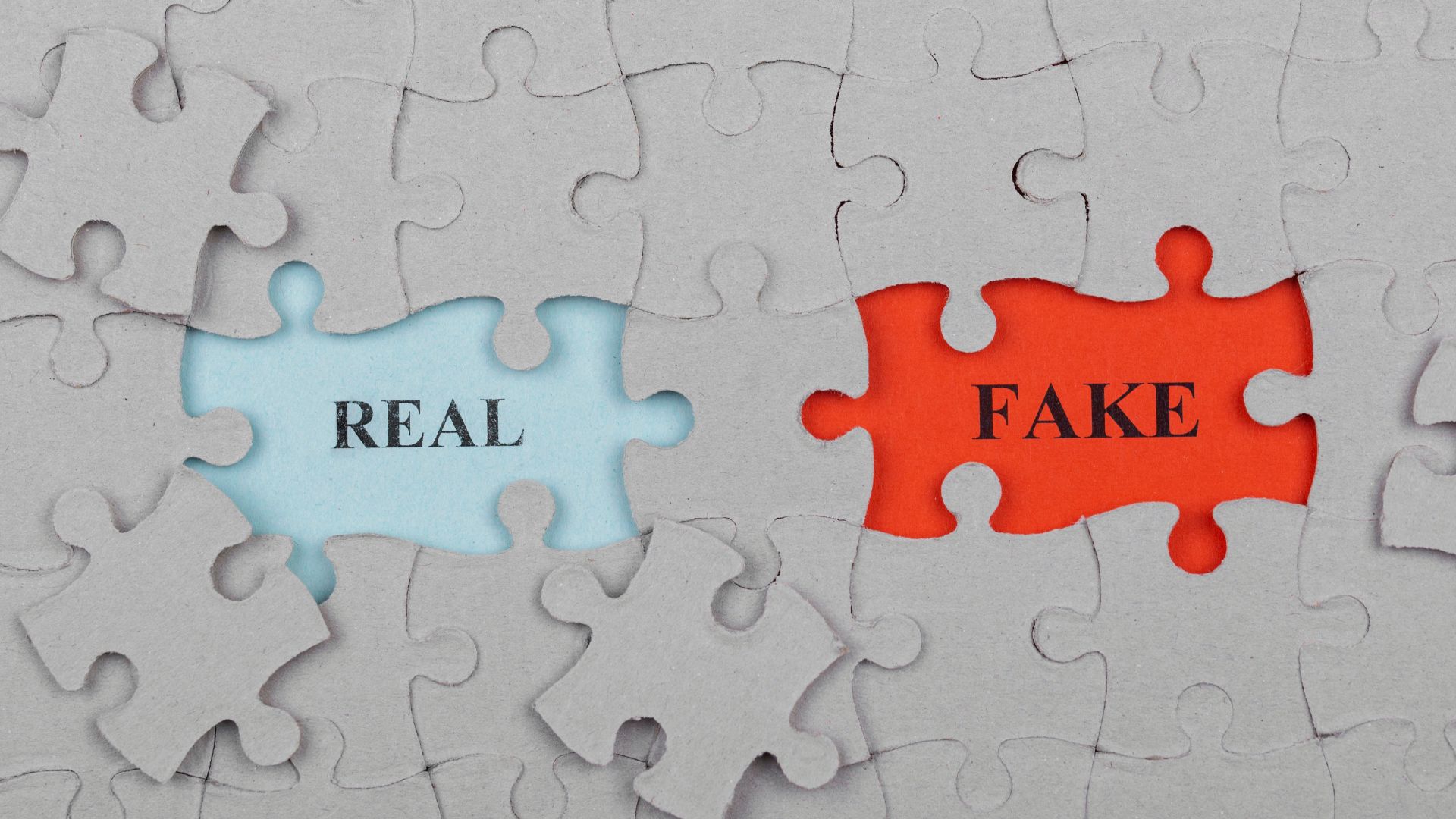
Why Skilled vs. Fake Digital Marketers Matter
The choice between a skilled and fake marketer can make or break your digital journey. A skilled digital marketer builds long-term strategies that deliver sustainable results. On the other hand, a fake digital marketer often makes unrealistic promises just to close a deal.
Moreover, businesses today operate in a highly competitive online environment. If you fall into the trap of hiring the wrong marketer, your brand risks losing credibility, visibility, and even potential customers. Therefore, knowing the key differences helps you make smarter hiring decisions.
Traits of a Skilled Digital Marketer
When you evaluate professionals, here are some characteristics that indicate true expertise:
1. Clear and Transparent Strategy
A skilled marketer doesn’t speak in vague terms. Instead, they explain their strategy in simple language. They tell you how SEO, paid ads, or social media campaigns will work step by step. For example, they won’t promise a #1 Google ranking in a week but will explain how consistent optimisation can improve your site’s visibility over time.
2. Data-Driven Decision Making
Good marketers love data. They rely on analytics, conversion tracking, and A/B testing to improve performance. When they present results, you’ll see detailed reports showing clicks, conversions, impressions, and ROI. This transparency builds trust.
3. Ethical Practices
Another clear sign of a skilled digital marketer is their commitment to ethical practices. They avoid black-hat SEO, fake followers, or spammy backlinks. Instead, they focus on sustainable growth strategies that won’t put your website at risk.
4. Continuous Learning and Adaptability
The digital landscape changes fast. From Google algorithm updates to new ad formats on Meta, everything evolves. A skilled marketer stays updated and adapts strategies accordingly, ensuring your brand never falls behind.
Red Flags of a Fake Digital Marketer
Just as there are clear signs of a skilled marketer, there are also warning signals that someone is fake or inexperienced. Here are the most common:
1. Overpromising Results
A fake marketer might tell you, “We can rank your site on Google in 7 days” or “You’ll get 1,000 leads instantly.” These promises sound attractive but are far from realistic. Digital marketing takes time, effort, and patience.
2. Lack of Transparency
If a marketer refuses to share reports or avoids discussing strategies, it’s a major red flag. Genuine professionals keep you in the loop, while fake ones often hide behind excuses.
3. Reliance on Shortcuts
Fake marketers often use black-hat SEO, keyword stuffing, or buying fake followers to show “quick results”. While this may look good in the short run, it damages your reputation in the long term.
4. No Portfolio or References
A skilled professional will happily share case studies, testimonials, or examples of past work. A fake one often avoids providing proof of success.
Skilled vs. Fake Digital Marketers: A Side-by-Side Comparison
| Criteria | Skilled Digital Marketer | Fake Digital Marketer |
|---|---|---|
| Strategy | Transparent and clear | Vague or hidden |
| Results | Long-term growth | Quick but unsustainable |
| Tools & Analytics | Uses data for decisions | Rarely uses data |
| Ethics | Follows white-hat practices | Relies on shortcuts |
| Adaptability | Learns new trends | Stuck with outdated tricks |
| Proof of Work | Provides case studies | No genuine portfolio |
This table makes it easier to visualize the key differences between skilled vs. fake digital marketers at a glance.
How to Choose the Skilled Digital Marketer
Now that you know the traits of both, how can you choose the right one for your business? Here are some tips:
1. Ask the Right Questions
Instead of focusing only on price, ask about their strategy, experience, and tools. Genuine marketers love explaining their process.
2. Check Case Studies or Testimonials
Always request past work samples or client references. Skilled marketers proudly showcase results, while fake ones struggle to provide proof.
3. Focus on Communication
Pay attention to how they explain things. If they simplify complex strategies and keep you informed, they’re likely skilled. If they confuse you with jargon, be cautious.
4. Look for Long-Term Partnership
Digital marketing is not a one-time job. A skilled marketer works on building a partnership with you, aiming for growth over months and years.
The Business Impact of Choosing Wisely
Skilled vs Fake Digital Marketers
Hiring a skilled digital marketer does more than boost sales. It builds brand credibility, improves online visibility, and strengthens customer relationships. In contrast, fake marketers can damage your website rankings, waste ad spend, and even harm your brand image.
Therefore, the choice is not just about saving money—it’s about safeguarding your brand’s future.
Final Thoughts
Skilled vs. Fake Digital Marketers
The debate of skilled vs. fake digital marketers is not just about spotting fraud but about making smarter business decisions. Skilled marketers focus on ethical practices, data-driven strategies, and long-term results. Fake ones rely on shortcuts, vague promises, and temporary fixes.
By understanding these key differences, you can avoid costly mistakes and invest in genuine expertise that drives growth.
So, the next time you meet a digital marketer, ask yourself: Are they skilled—or just pretending to be?