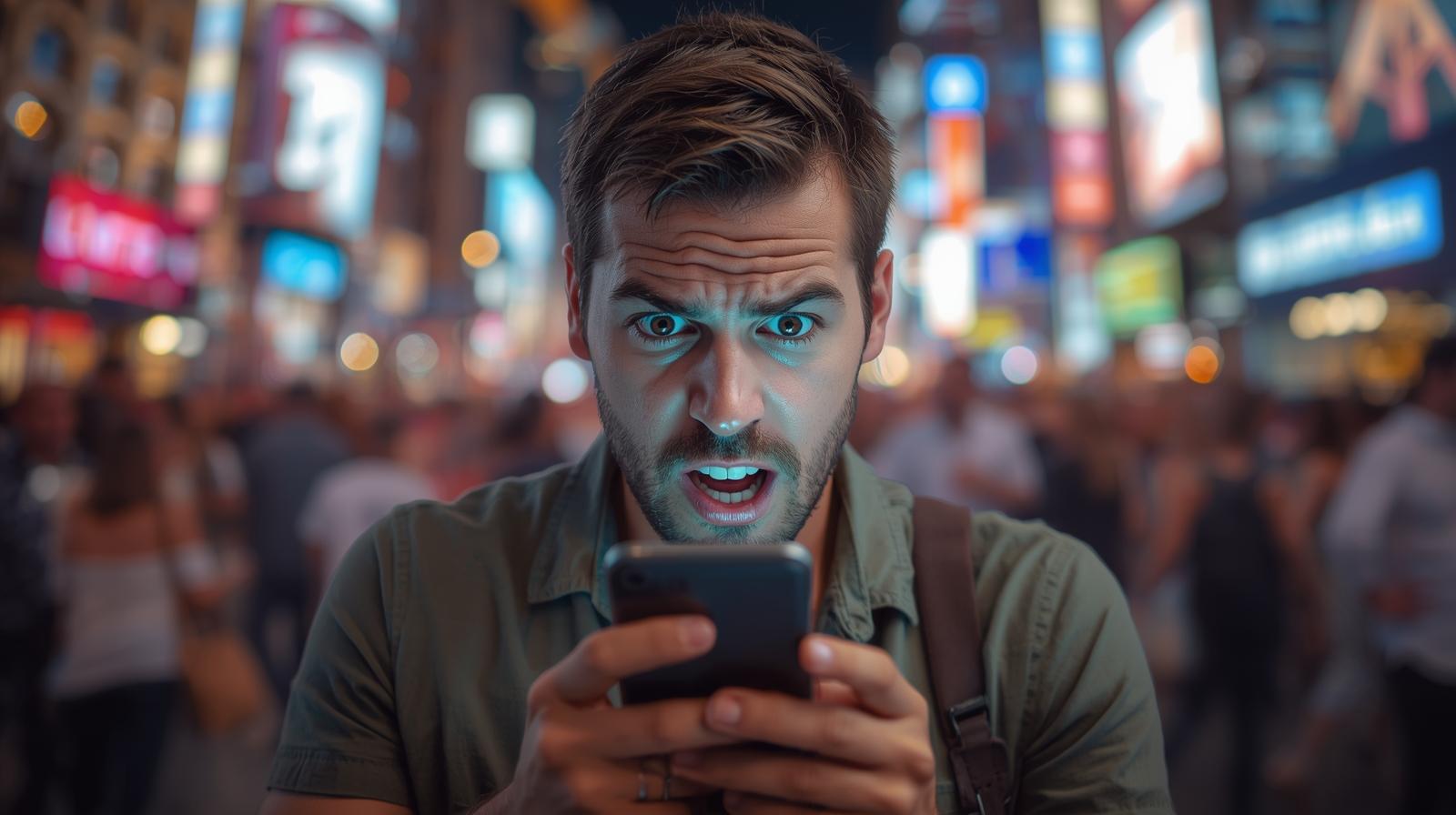
“From anxiety to loneliness, the hidden impact of social media addiction on your mind might surprise you.”
At the beginning, social media seems harmless—just quick updates and friendly connections. But gradually, it builds a habit that’s hard to let go of. Before we dive into the risks, it’s important to ask: what exactly is “Social Media Addiction”? After understanding that, we can explore 10 major ways it affects mental health.
Top 10 Negative Effects of Social Media Addiction on Mental Health
1. Anxiety, Depression, and Low Self-Esteem:
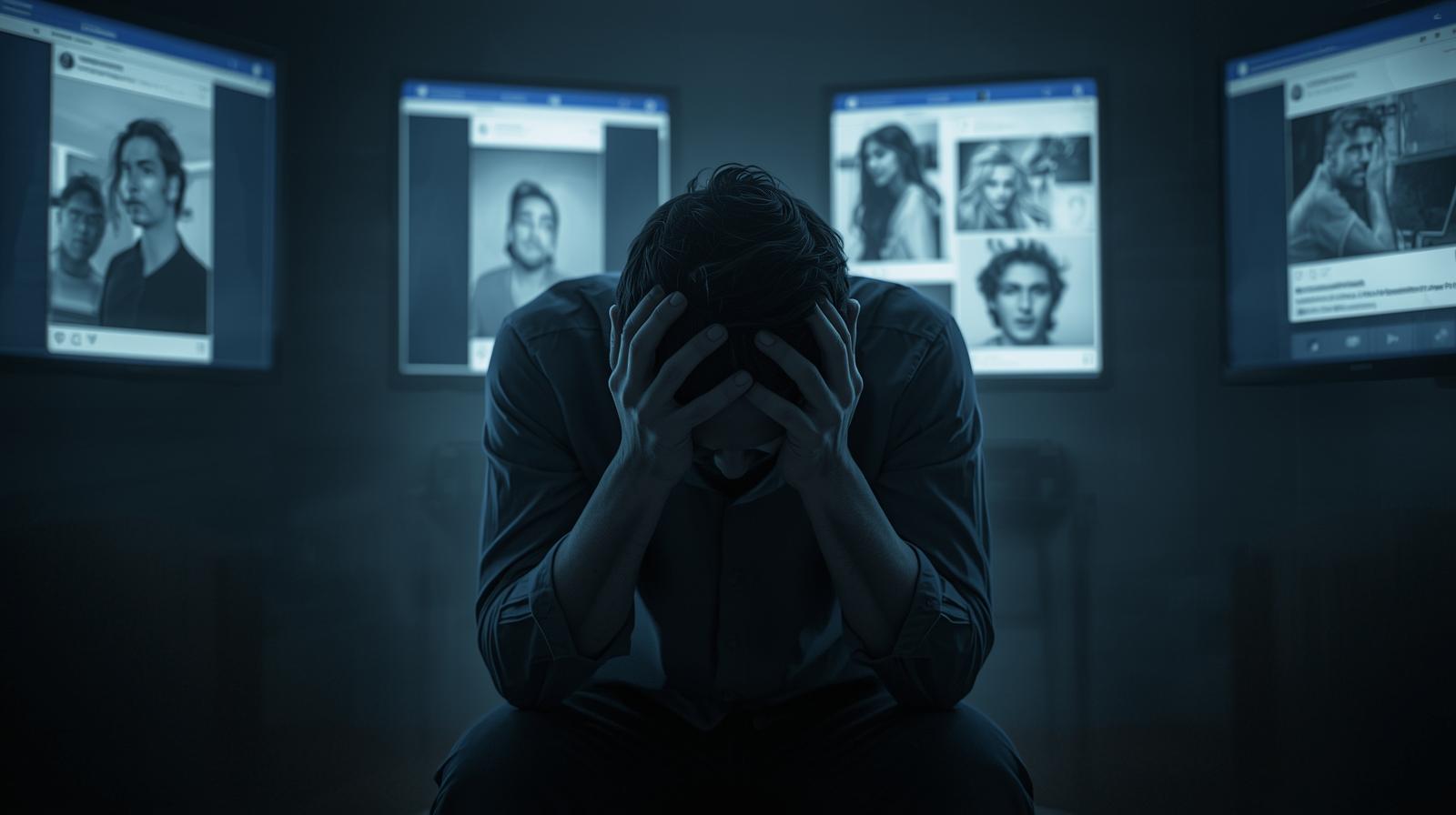
One of the most damaging effects of social media addiction is its direct link to anxiety and depression. Constant exposure to curated images of success, beauty, and luxury lifestyles often makes people feel inadequate about their own lives. This comparison lowers self-esteem and triggers a cycle of self-doubt. Over time, these feelings may lead to chronic anxiety and depressive symptoms, making it harder to stay mentally stable and confident.
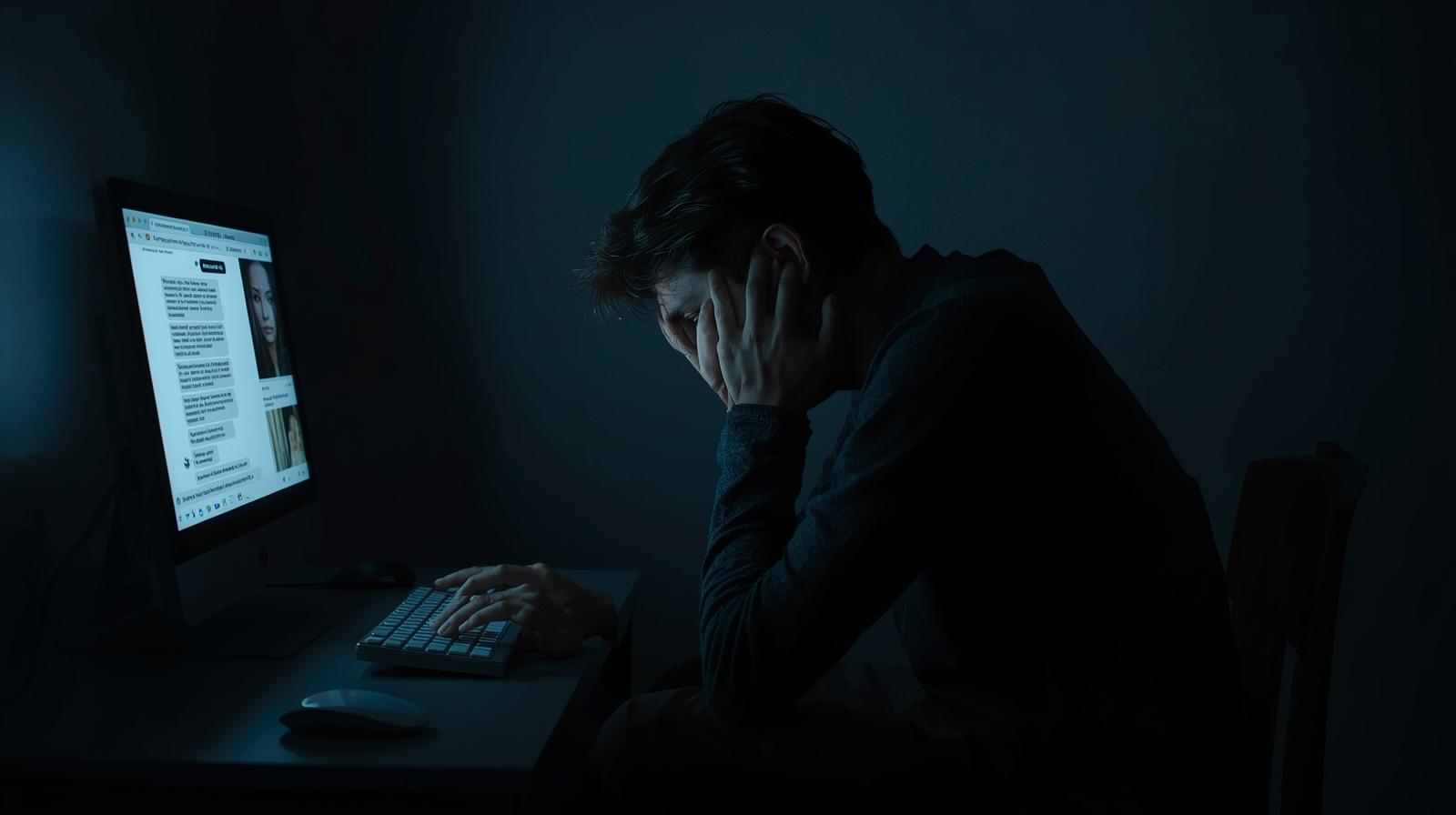
2. Sleep Deprivation and Poor Mental Rest:
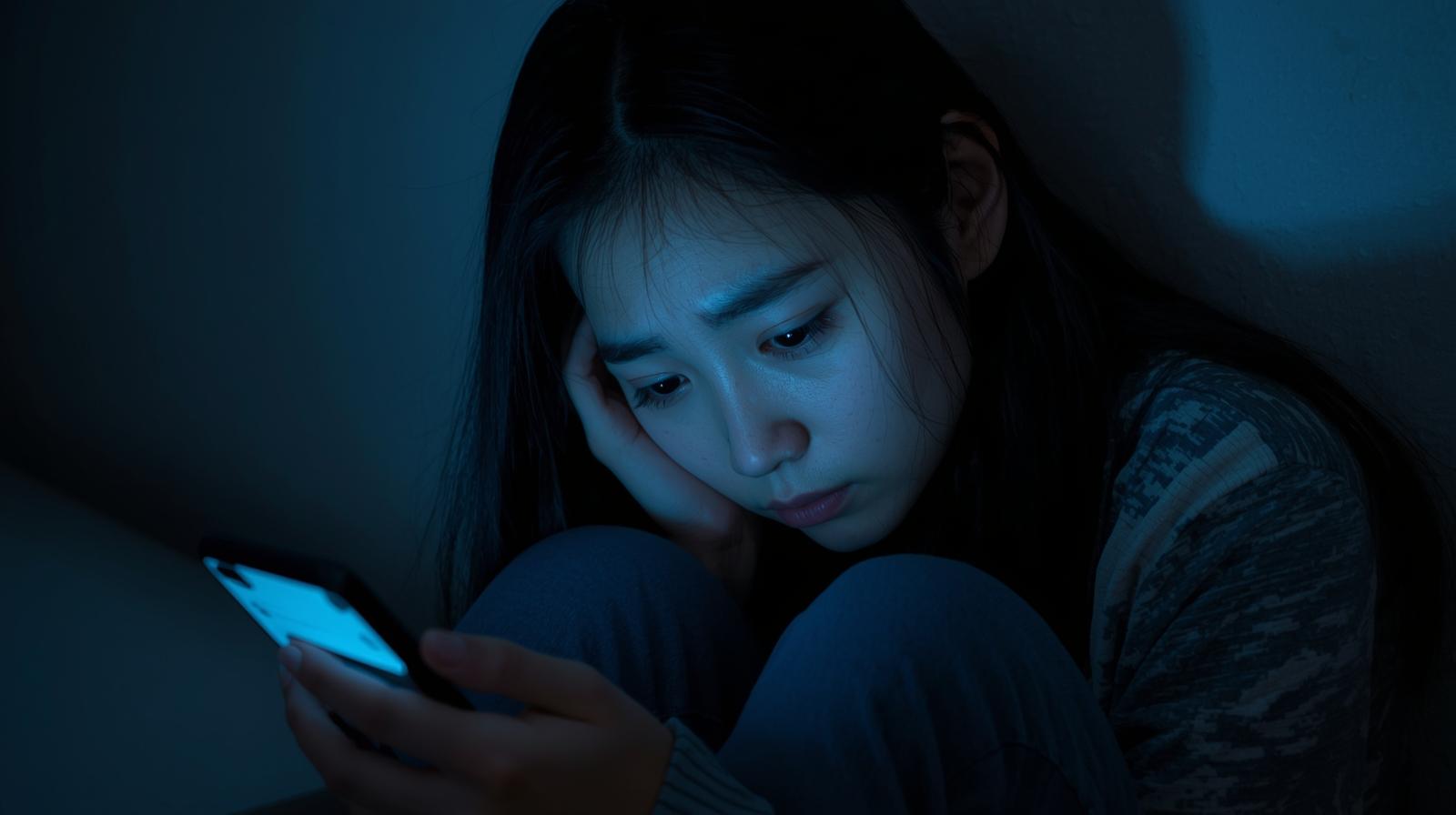
Late-night scrolling and endless screen time disrupt the natural sleep cycle. Many people stay awake longer than intended, leading to sleep deprivation. A lack of quality sleep impacts memory, focus, and emotional regulation. Studies show that irregular sleep caused by social media overuse is strongly connected with stress, mood swings, and even long-term mental health disorders.
3.Addiction and Dopamine Dependence:
Social media platforms are designed to trigger the brain’s reward system by releasing dopamine whenever you get likes, comments, or shares. Over time, this creates psychological dependence, where users crave constant digital validation. This addiction reduces motivation for real-life activities, causes withdrawal symptoms when offline, and fosters an unhealthy reliance on virtual approval.
4. Loneliness and Social Isolation:
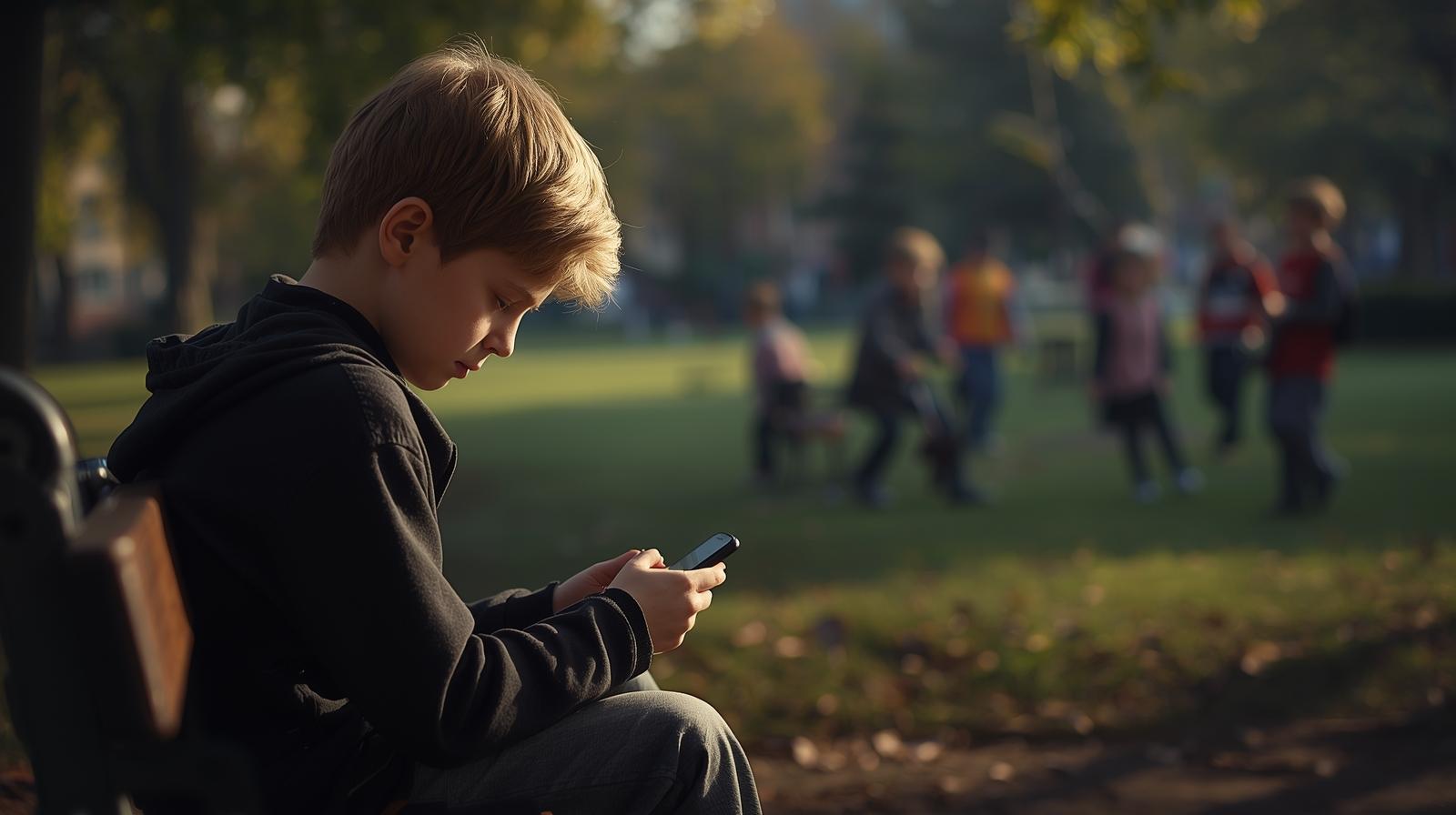
Ironically, while social media is meant to connect us, excessive use often leads to loneliness. People may substitute face-to-face interactions with online engagement, which lacks depth and emotional connection. This isolation gradually impacts mental well-being, leaving users feeling empty, unsupported, and disconnected from reality, despite having hundreds of “friends” online.
5. Stress and Emotional Exhaustion:
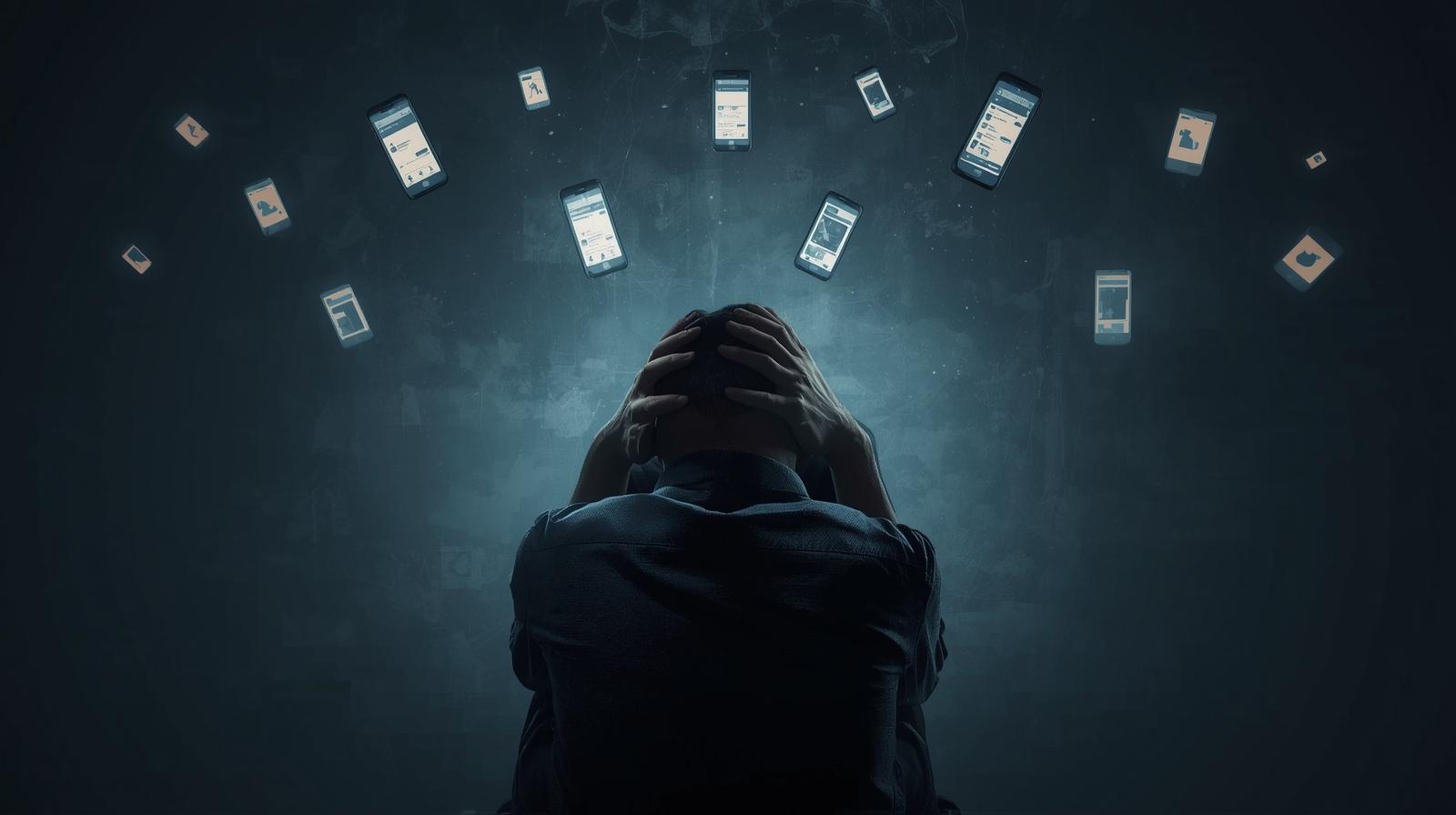
Endless notifications, online arguments, and the pressure to maintain a “perfect” online presence create high levels of stress. Many users feel emotionally drained after spending hours online. The pressure to constantly check updates or reply immediately can lead to digital burnout, which harms both mental clarity and emotional balance.
6. Fear of Missing Out (FOMO):
The Fear of Missing Out is a major trigger of anxiety. Seeing peers enjoying vacations, parties, or achievements online makes individuals feel like they are being left behind. This feeling of exclusion creates restlessness, dissatisfaction, and stress, pushing users to stay online for longer hours—only worsening the cycle of addiction and poor mental health.
7. Cyberbullying and Online Harassment:
With the rise of anonymous accounts and unfiltered opinions, cyberbullying has become a serious issue linked to social media addiction. Continuous exposure to negative comments, trolling, and harassment can deeply harm self-worth, leading to trauma, social withdrawal, and even suicidal thoughts in extreme cases.
8. Reduced Productivity and Focus Issues:
Excessive time spent online decreases the ability to focus on studies, work, or personal goals. The constant urge to check notifications interrupts deep concentration and leads to reduced productivity. This lack of focus causes stress, procrastination, and eventually affects both mental performance and self-confidence.
9. Distorted Reality and Unrealistic Expectations:
Social media often promotes an unrealistic portrayal of life. From flawless beauty standards to exaggerated lifestyles, users may develop distorted perceptions of reality. Constant exposure to such content builds false expectations, making individuals feel dissatisfied with their own achievements, appearance, or relationships, which directly harms mental peace.
10. Relationship Strain and Emotional Disconnect:
Lastly, social media overuse can harm personal relationships. Couples, friends, or families may feel neglected if one person prioritizes screen time over real conversations. Over time, this can lead to misunderstandings, conflicts, and emotional distance, negatively affecting both mental health and personal happiness.
Final Thoughts:
Social media can connect us, but its addictive use often harms mental health, focus, and real-life relationships. By setting boundaries, taking digital detox breaks, and prioritizing offline connections, you can build a healthier balance.
Remember—social media should serve you, not control you.
“Want to break free from these negative effects? Read our complete guide on “How to Overcome Social Media Addiction” for practical tips, healthier habits, and proven strategies to regain control.”
“For more tips, read our platform-oriented blogs on how to tackle different types of social media addiction.”




Pingback: Social Media Addiction - A Honey Trap - Dataspace for Student
Pingback: Top 10 Negative Effects of Social Media Addiction on Physical Health - Dataspace for Student
Pingback: Top 10 Negative Effects of Social Media Addiction on Students - Dataspace for Student
Pingback: Top 10 Negative Effects of Social Media Addiction - Dataspace for Student