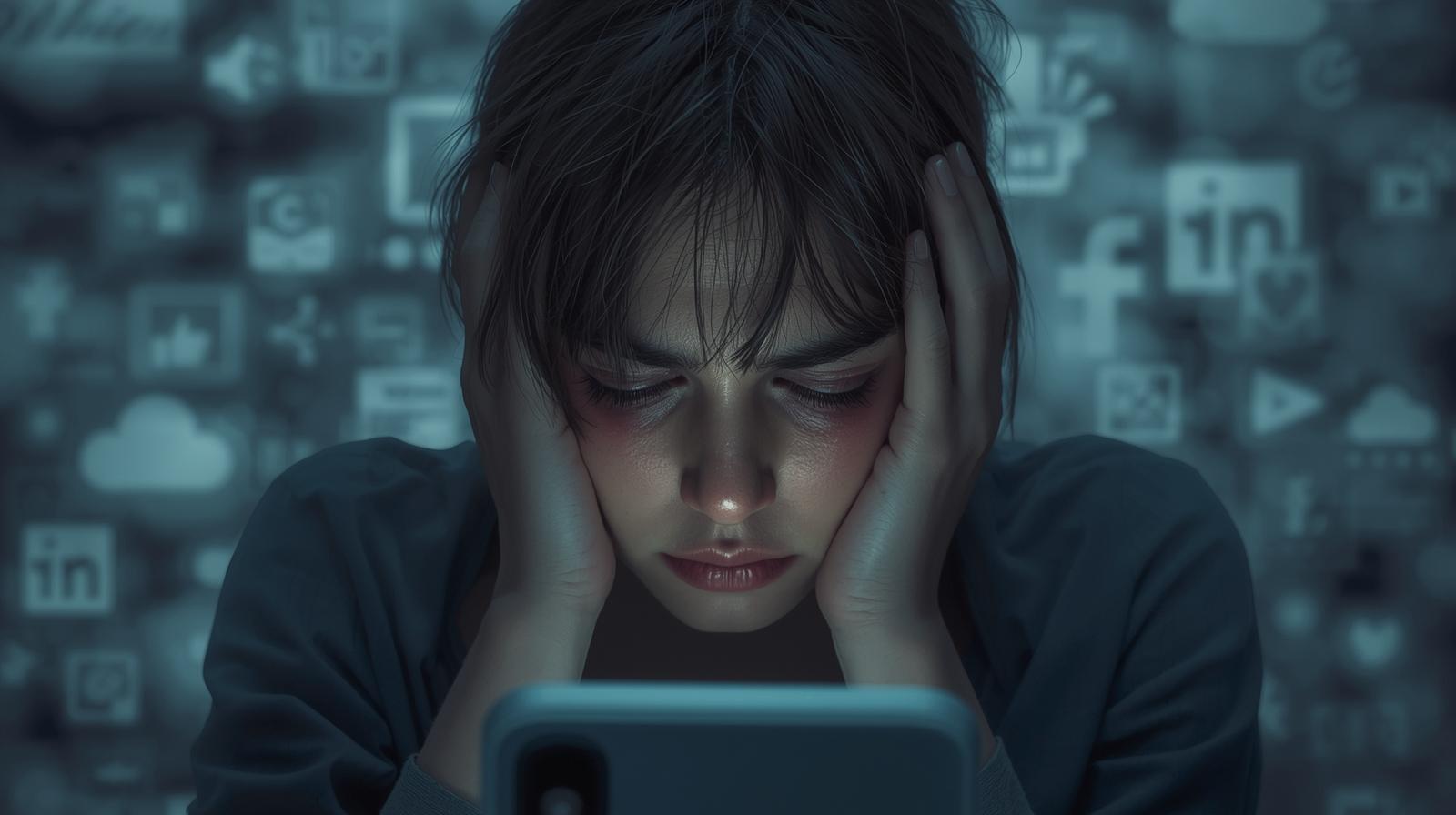
“The negative effects of social media addiction are rising fast, harming mental health, productivity, and real-life relationships. What once connected us is now creating stress, distraction, and isolation.”
Social media often feels exciting at first, but it slowly pulls us deeper, creating patterns of overuse that we don’t even notice. So, First of all We have to Understand What “Social Media Addiction” actually is. Now, let’s look at the 10 major negative effects this habit can have on our daily lives.
Top 10 Negative Effects of Social Media Addiction
1. Mental Health Issues:
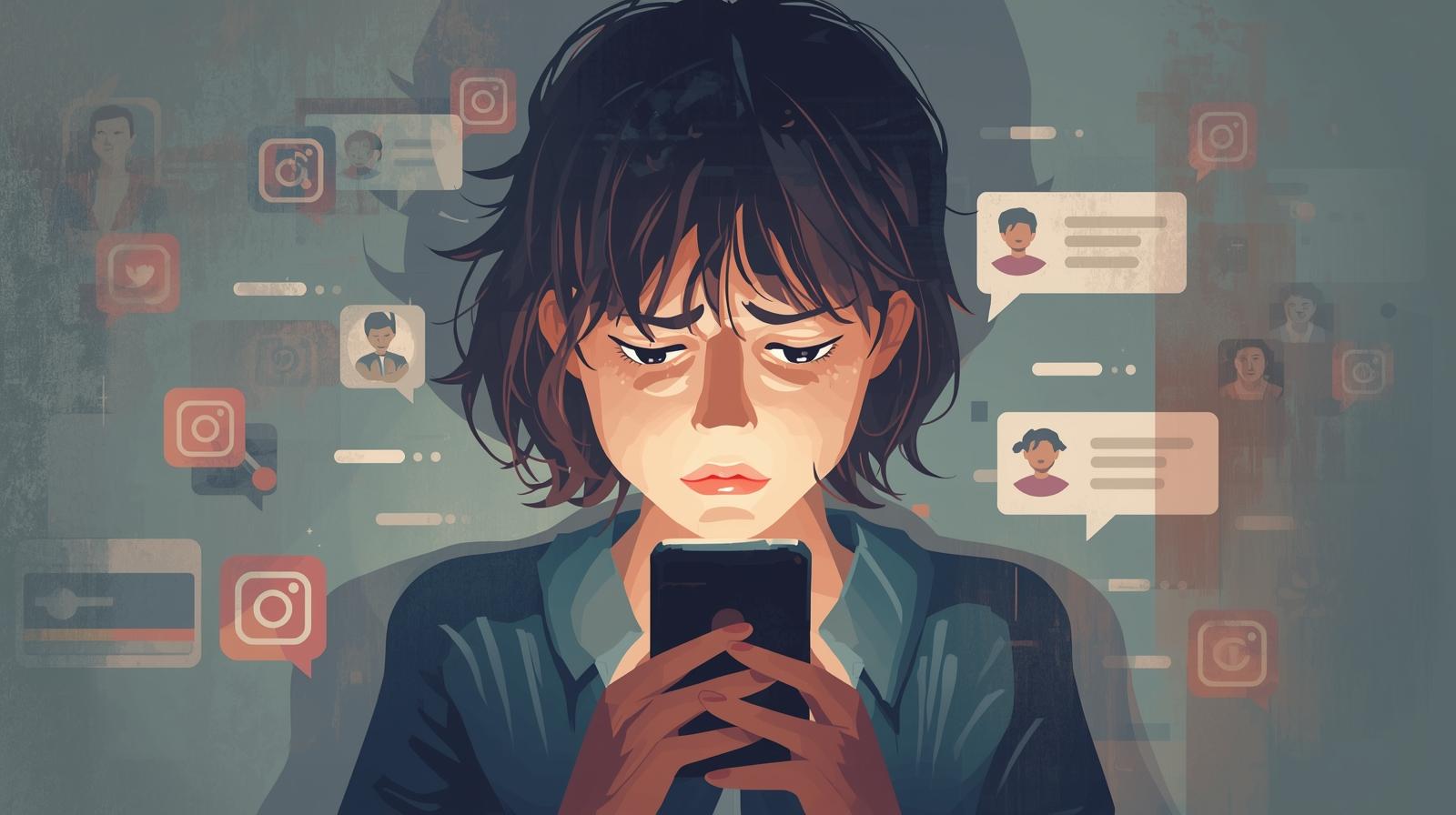
Social media addiction is strongly linked to mental health problems such as anxiety, depression, and low self-esteem. Constant comparison with others’ lifestyles can trigger feelings of inadequacy, while negative comments or online bullying can worsen emotional distress. Over time, this mental burden reduces overall well-being and can even lead to clinical mental health disorders if left unchecked. Prioritizing real-world connections and mindful usage can help minimize these risks.
2. Cyberbullying and Online Harassment:
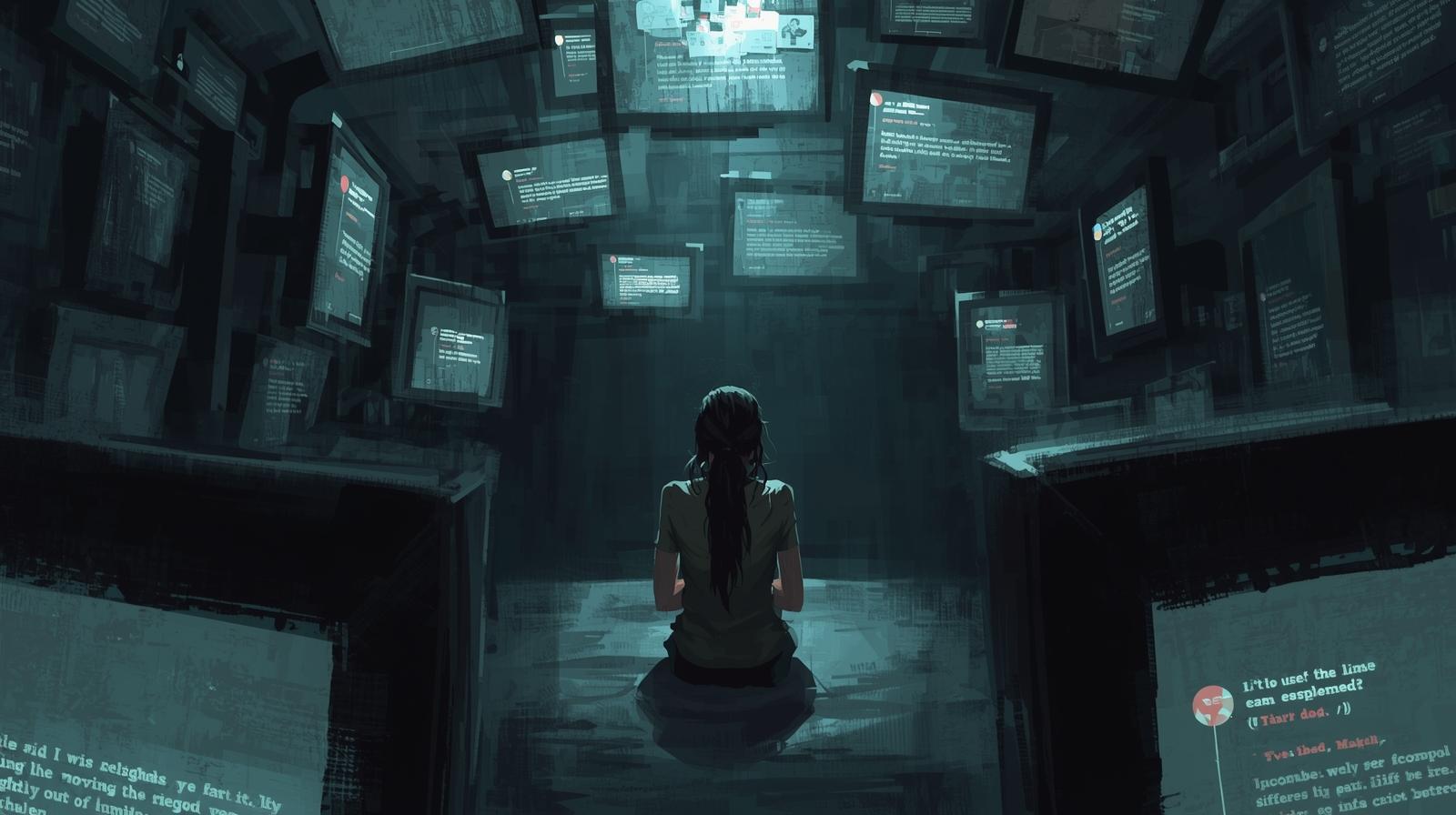
Excessive time online increases exposure to cyberbullying and harassment. Victims often experience anxiety, shame, and even social withdrawal, which may lead to long-term trauma. Social platforms, while designed for connection, often become unsafe spaces where people face harsh criticism or threats. Unlike in-person bullying, cyberbullying is persistent and can follow users everywhere through their devices, making it one of the most damaging effects of social media addiction.
3. Poor Sleep Patterns:
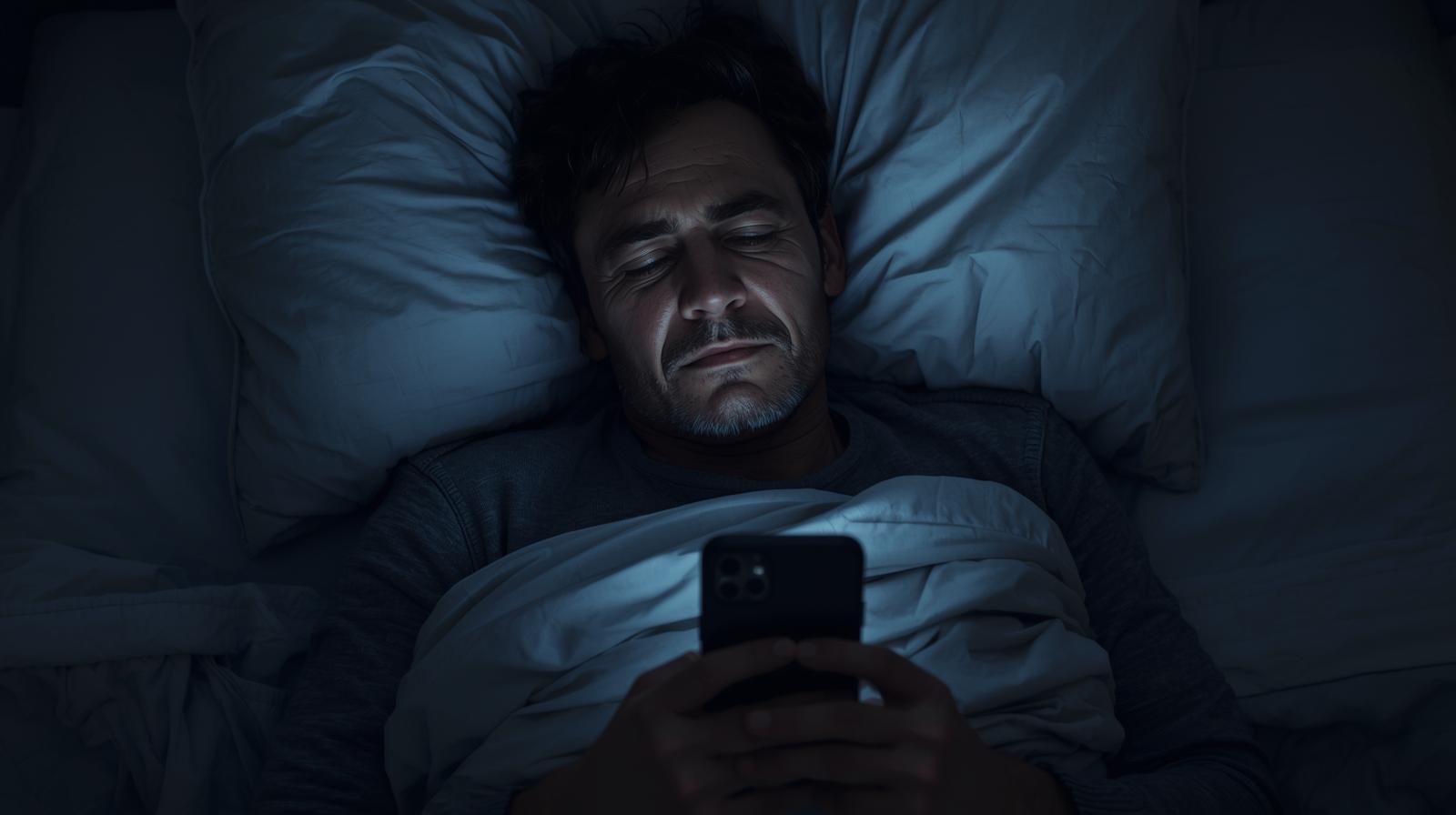
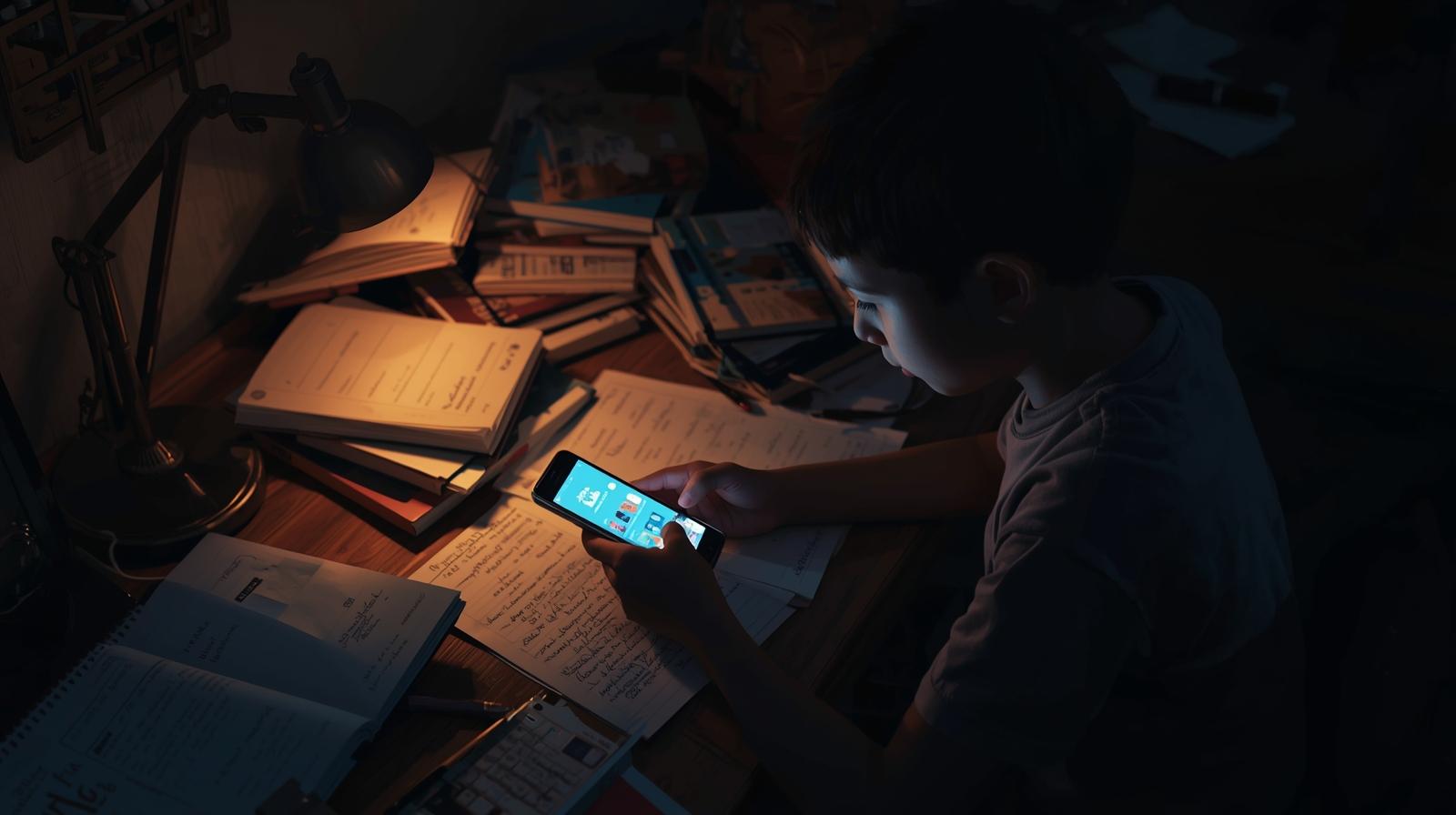
Late-night scrolling disrupts natural sleep cycles, often leading to insomnia and fatigue. Blue light from screens suppresses melatonin production, delaying deep sleep. Sleep deprivation affects focus, productivity, and overall health, increasing risks of lifestyle diseases like obesity and heart issues. In the long run, poor sleep weakens mental clarity and emotional stability, making this one of the most harmful consequences of excessive social media use.
4. Social Isolation:
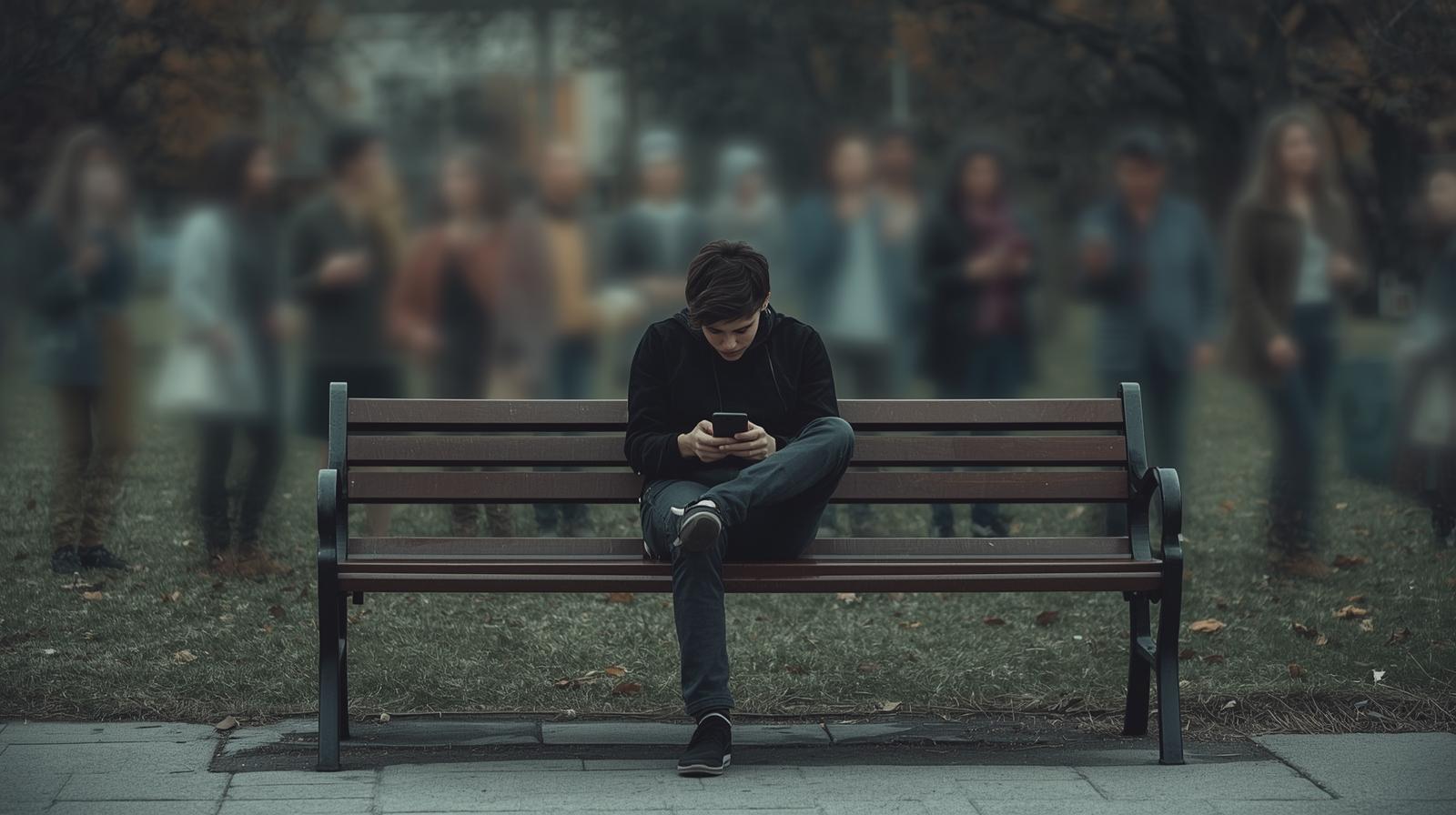
Ironically, too much time spent on social media can lead to loneliness and detachment from real-world relationships. People may prioritize virtual connections over meaningful face-to-face interactions, which reduces emotional bonding and social skills. Over time, this reliance on online validation can create a false sense of connection, leaving individuals isolated when they need genuine support the most.
5. Lack of Productivity:
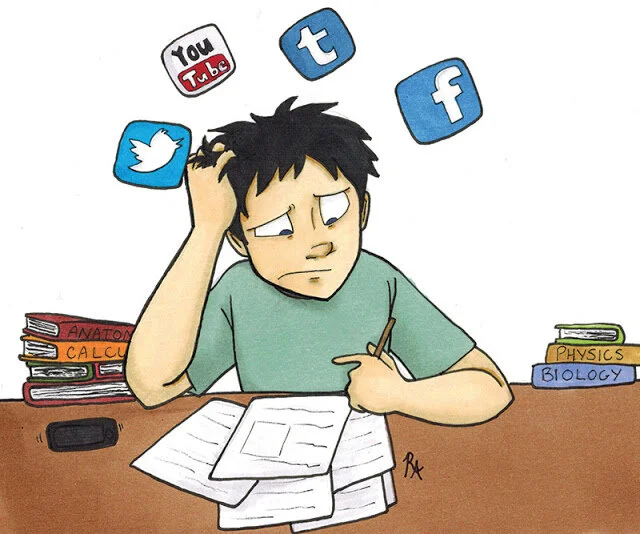
Social media addiction significantly reduces productivity, both at work and in academics. Constant notifications, endless scrolling, and multitasking make it difficult to concentrate on important tasks. This distraction cycle lowers performance levels, delays deadlines, and increases stress. In the long run, lack of productivity impacts career growth, personal achievements, and self-confidence.
6. Increased Screen Time Dependency:
One of the most visible effects of social media addiction is the dependency on screens. Extended screen time strains the eyes, causes headaches, and can lead to long-term vision problems. Additionally, dependency on digital devices reduces time spent on physical activities, hobbies, and family bonding. This dependency builds an unhealthy routine where offline life becomes secondary to the online world.
7. Spread of Misinformation:
Social media platforms are breeding grounds for fake news and misleading content. Addiction makes users more vulnerable to consuming and sharing unverified information, leading to confusion and even harmful decision-making. From health myths to political propaganda, misinformation can influence beliefs, fuel conflicts, and damage trust in credible sources.
8. Decreased Attention Span:
Constant short-form content like reels and stories trains the brain to seek quick gratification, reducing the ability to focus on long tasks. This decline in attention span affects studying, working, and even everyday conversations. Over time, it can lower problem-solving abilities and critical thinking, making it harder for individuals to engage deeply with meaningful information.
9. Physical Health Problems:
Addiction to social media promotes a sedentary lifestyle, which is linked to obesity, back pain, and cardiovascular issues. Excessive screen time also leads to digital eye strain, neck pain, and poor posture. Combined with lack of exercise and poor sleep, social media overuse directly impacts overall physical health and energy levels.
10. Unrealistic Expectations & Comparison:
Constantly viewing filtered lifestyles, luxury possessions, and perfect bodies creates unrealistic expectations. Users may start comparing themselves unfairly, leading to dissatisfaction with their own lives. This “comparison trap” reduces confidence and creates a cycle of negativity. While subtle, this effect silently damages self-worth and long-term happiness.
Final Thoughts:
Social media isn’t the enemy—but addiction is. By setting limits and using it wisely, you can protect your health, boost productivity, and build stronger real-life connections. Balance is the real key.
“Want to break free from these negative effects? Read our complete guide on “How to Overcome Social Media Addiction” for practical tips, healthier habits, and proven strategies to regain control.”
“For more tips, read our platform-oriented blogs on how to tackle different types of social media addiction.”


Pingback: Social Media Addiction - A Honey Trap - Dataspace for Student