Climate Transformation: Challenges for the Future
Introduction
Climate transformation is no longer a distant problem—it is already shaping the way we live, work, and survive. From unpredictable weather to rising global temperatures, the Earth is experiencing changes that affect every aspect of human civilisation. Therefore, understanding the challenges posed by climate transformation is essential for building a sustainable future.
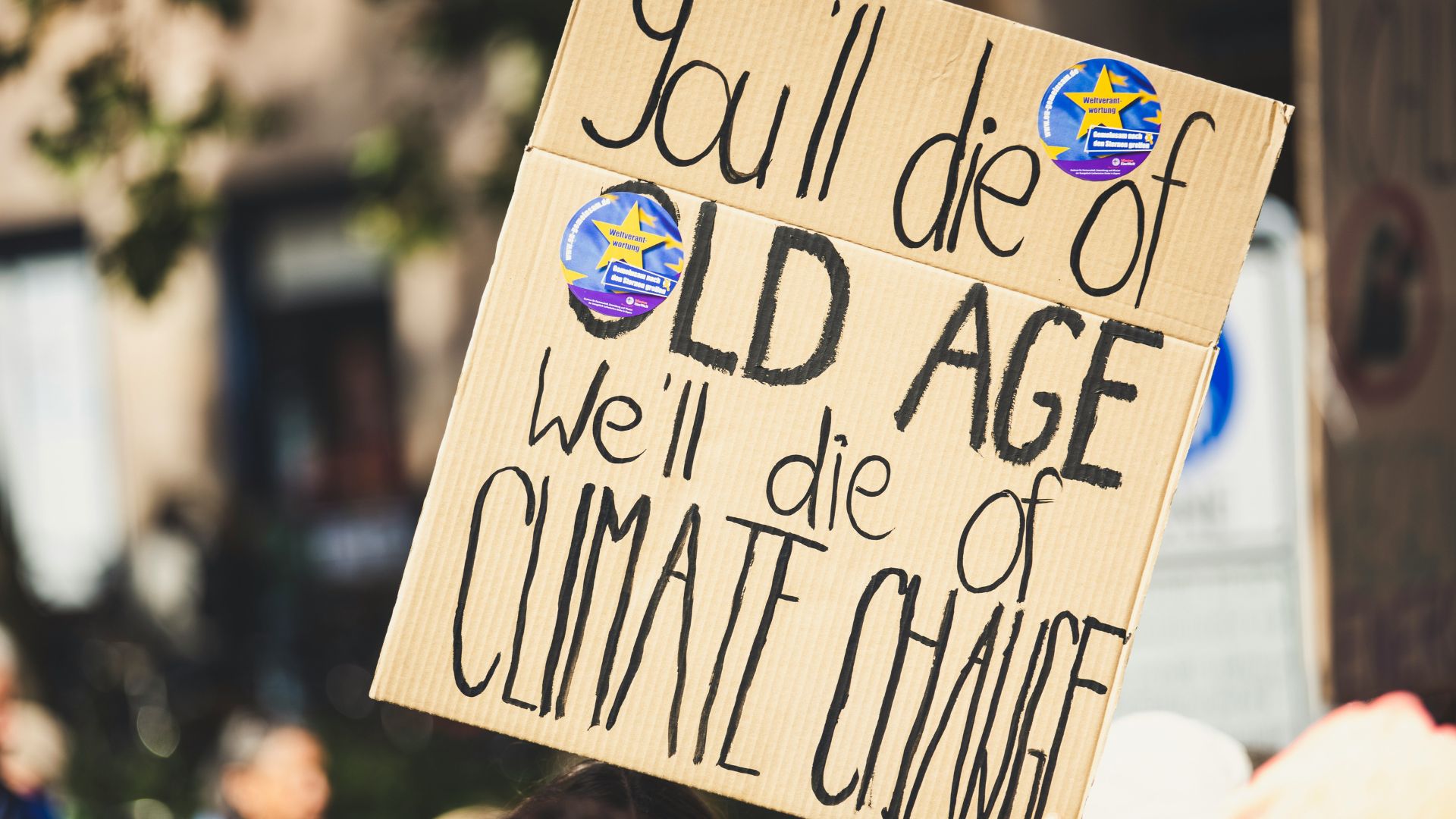
What is climate transformation?
Climate transformation refers to long-term shifts in global weather patterns and temperature levels caused primarily by human activities. Industrialisation, deforestation, and excessive fossil fuel consumption have accelerated these changes. As a result, our planet faces rising sea levels, melting glaciers, biodiversity loss, and extreme weather events that threaten the balance of life.
Major Challenges of Climate Transformation
1. Rising Sea Levels
One of the most visible effects of climate change is the rise in sea levels. Coastal cities and island nations are increasingly vulnerable to flooding, erosion, and population displacement. Consequently, millions of people may be forced to migrate in the coming decades.
2. Food and Agriculture Crisis
Unpredictable rainfall, droughts, and heatwaves directly impact agricultural production. As fertile land decreases, food security becomes a global concern. Moreover, developing countries with agriculture-dependent economies will suffer the most.
3. Water Scarcity
Freshwater is becoming a scarce resource due to changing rainfall patterns and overuse. Therefore, ensuring access to clean water is one of the greatest challenges that governments must address.
4. Human Health Risks
Rising temperatures worsen air pollution, increase the spread of diseases, and create deadly heatwaves. Vulnerable groups such as children and the elderly face higher health risks. Consequently, healthcare systems must adapt to these evolving threats.
5. Energy Dependency
The world still relies heavily on fossil fuels, which contribute significantly to greenhouse gas emissions. Transitioning to renewable energy sources is necessary but comes with financial and technological challenges.
Technological Solutions and Adaptation to Climate Transformation
While the challenges are severe, technological innovation offers hope. For instance, renewable energy sources such as solar, wind, and hydropower are reducing dependence on fossil fuels. Additionally, advancements in artificial intelligence help monitor climate patterns and predict disasters more accurately.
Moreover, carbon capture technologies and sustainable farming practices are being adopted worldwide. These solutions, although not perfect, represent the beginning of a global shift toward resilience and sustainability.

The Economic Impact:
Climate Transformation’s Effect on the Economy
Climate change not only threatens the environment but also disrupts economies. For example, industries such as agriculture, tourism, and fisheries face significant risks from changing weather conditions. Furthermore, the cost of rebuilding infrastructure after natural disasters puts immense pressure on national economies.
Therefore, governments must balance economic growth with environmental responsibility. Investing in green technologies can create jobs while reducing environmental harm, proving that sustainability and progress can go hand in hand.
Role of Global Cooperation for Climate Transformation
Since climate transformation is a global issue, no single nation can solve it alone. International agreements such as the Paris Climate Accord highlight the importance of collective action. Wealthier nations must provide financial and technological assistance to developing countries so that climate solutions are accessible to all.
In addition, education and awareness campaigns can empower communities to adopt eco-friendly lifestyles, ensuring that climate action begins at both the grassroots and policy levels.
Preparing for the Future of Climate Transformation
Adapting to climate transformation requires immediate and long-term strategies. On an individual level, adopting sustainable habits—such as reducing waste, conserving energy, and supporting eco-friendly businesses—can create positive change. On a global scale, governments and organisations must invest in infrastructure that is resistant to floods, droughts, and other climate-related disasters.
Most importantly, addressing climate challenges demands urgency. The decisions made today will determine the survival and prosperity of future generations.
Conclusion
Climate transformation presents unprecedented challenges for humanity. From rising sea levels and food insecurity to health crises and economic risks, the effects are already visible. However, with innovation, cooperation, and responsible decision-making, the future does not have to be defined by crisis.
Instead, it can be an opportunity to rethink how civilisation interacts with nature. By embracing sustainability, humanity can turn today’s climate challenges into the foundation for a more resilient tomorrow.