Masai Mara Safari: Discover the People’s Lifestyles
A trip to Kenya is never complete without experiencing the beauty and adventure of the Masai Mara. Known for its endless savannahs and incredible wildlife, the Masai Mara National Reserve is one of the most visited safari destinations in Africa. But beyond the thrilling game drives and breathtaking scenery, what makes the journey truly special is discovering the unique lifestyle of the Maasai people, who have lived in harmony with nature for centuries.
In this blog, we’ll explore what makes a Masai Mara safari unforgettable and how travellers can experience the fascinating culture and traditions of the local Maasai community.
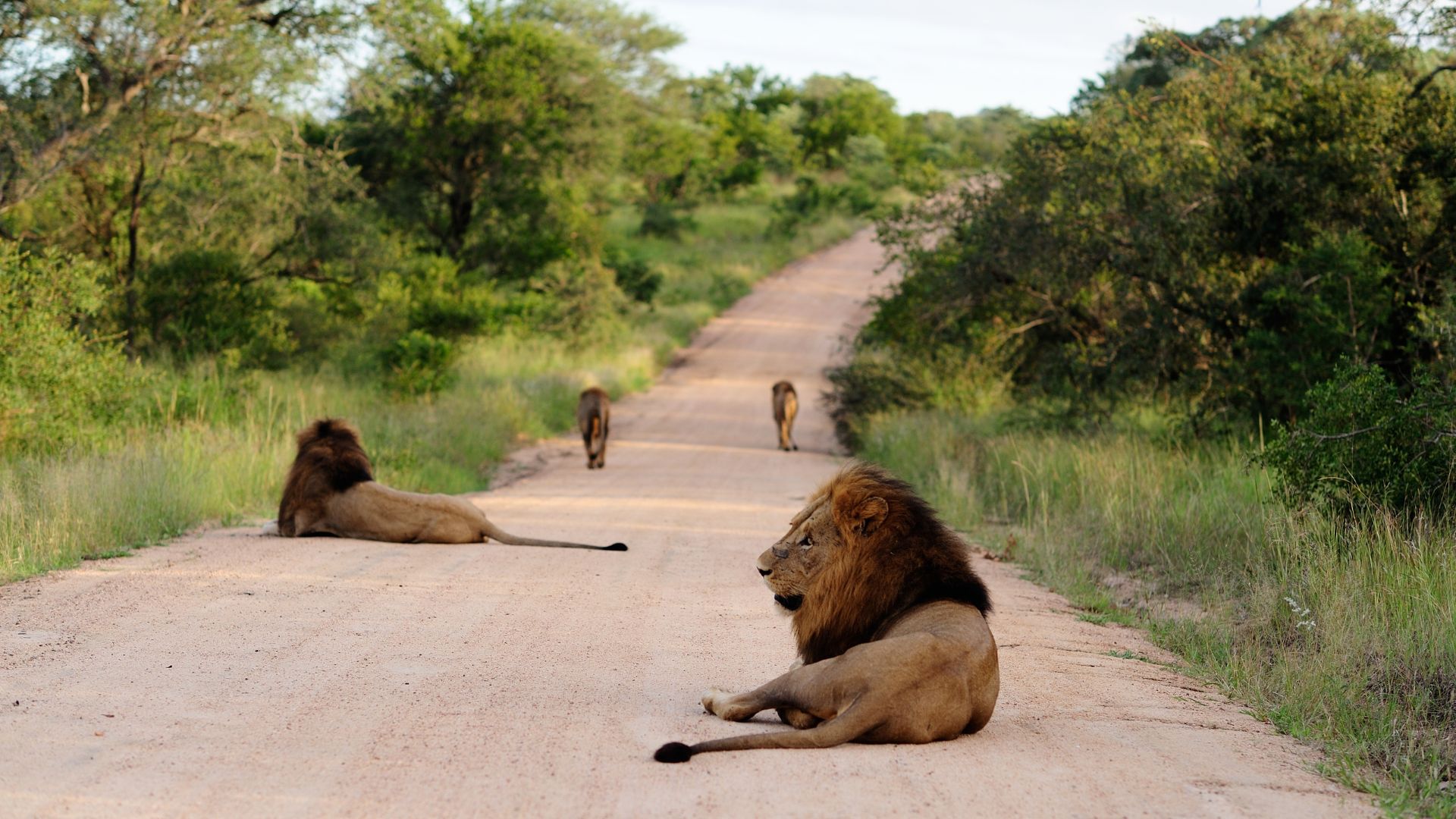
Why Choose the Masai Mara for a Safari?
The Masai Mara, located in southwestern Kenya, is part of the greater Serengeti ecosystem. It is home to a rich variety of wildlife, including the famous Big Five—lion, leopard, elephant, buffalo, and rhino. The reserve is best known for the Great Migration, an annual event in which millions of wildebeest, zebras, and gazelles cross the Mara River in search of fresh grazing lands.
This natural spectacle draws wildlife enthusiasts from around the world. Alongside the migration, visitors can enjoy year-round sightings of cheetahs, giraffes, hippos, and hundreds of bird species. The landscapes, painted with acacia trees and golden grasslands, make every game drive a photographer’s dream.
The Lifestyle of the Maasai People
While the safari introduces you to Africa’s wild side, the Maasai community offers a glimpse into an ancient culture that remains deeply rooted in tradition. The Maasai are semi-nomadic people who live in and around the Masai Mara region, and their way of life is both unique and inspiring.
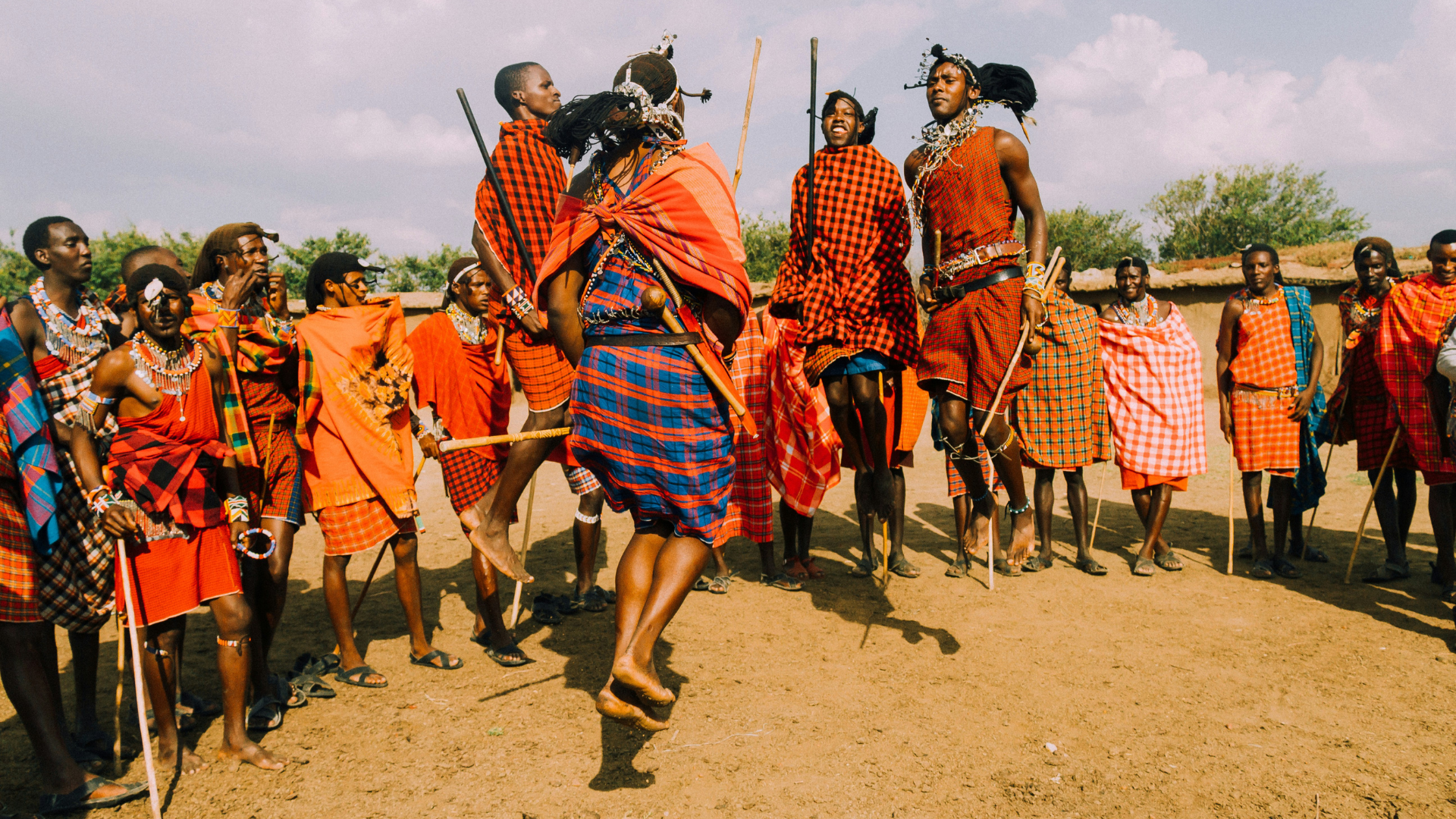
1. Traditional Clothing and Jewellery
The Maasai are instantly recognisable by their bright red shukas (cloths) and beautiful beadwork. Red is considered a colour of bravery and strength. Their handmade jewellery is not only decorative but also symbolic, representing age, social status, and important life events.
2. Pastoral Lifestyle
Cattle are at the centre of Maasai life. They are considered a gift from God and symbolise wealth and prosperity. Livestock provides food and milk and is also used in cultural ceremonies. Many of the daily activities revolve around herding and protecting cattle.
3. Culture and Traditions
The Maasai have preserved their cultural practices despite modern influences. Traditional ceremonies, warrior dances, and storytelling play a vital role in their community. Visitors are often captivated by the adumu—the famous jumping dance performed by young Maasai warriors.
4. Community Living
The Maasai live in small settlements called enkangs, which are made up of huts built from mud, sticks, and cow dung. These homesteads reflect a strong sense of community, where families work together to support one another.
How to Experience the Maasai Lifestyle During a Safari
A Masai Mara safari is not just about wildlife. Many tours offer opportunities to connect with the Maasai people and gain deeper insight into their world. Here’s how you can experience it:
- Village Visits: Tour operators often arrange visits to Maasai villages where guests can interact with locals, learn about daily routines, and even try their hand at milking cows or crafting bead jewellery.
- Cultural Performances: Witnessing traditional dances and songs gives you a true sense of Maasai spirit and unity. Guests are often invited to participate, making the experience unforgettable.
- Storytelling Sessions: Elders share tales of bravery, beliefs, and the history of their tribe, offering visitors a chance to learn directly from the guardians of culture.
- Handicraft Shopping: Supporting local artisans by buying handmade jewellery and crafts directly contributes to the community’s livelihood and empowers women in particular.
Best Time to Visit the Masai Mara
The Masai Mara offers something unique in every season, but timing your trip can make it even more special:
- July to October: Ideal for the Great Migration, when herds cross the Mara River.
- December to February: Perfect for predator sightings and birdwatching.
- March to June: The off-season, offering fewer crowds, lush scenery, and peaceful game drives.
No matter when you go, the reserve promises memorable wildlife encounters and enriching cultural exchanges.
Responsible Tourism in the Masai Mara
As a visitor, it is important to travel responsibly. Choosing eco-friendly lodges, respecting local customs, and supporting community-based projects ensures that your safari leaves a positive impact. By embracing responsible tourism, travellers help conserve wildlife while uplifting the Maasai people.
Final Thoughts
A Masai Mara safari is more than a wildlife adventure—it is a journey into both nature and culture. From the roaring lions of the savannah to the rhythmic dances of the Maasai warriors, every moment reveals something extraordinary.
By discovering the people’s lifestyles alongside the safari experience, you gain not just memories but also a deeper understanding of Kenya’s heritage. Whether you are a first-time traveller or a seasoned explorer, the Masai Mara offers a blend of wilderness and tradition that will stay with you forever.