
The Nepal Political Crisis 2025: Fall of Oli’s Government marks one of the most dramatic turning points in the country’s democratic journey. In September 2025, weeks of mass protests, largely led by Gen Z citizens, escalated into nationwide unrest that forced Prime Minister K.P. Sharma Oli to resign. What began as frustration over corruption, unemployment, and a controversial social media ban quickly spiraled into a movement that reshaped Nepal’s political landscape.
In this blog, we’ll break down the events that led to the crisis, the role of youth-led protests, and what lies ahead for Nepal’s fragile democracy.
Nepal Political Crisis 2025 – The Spark of Unrest
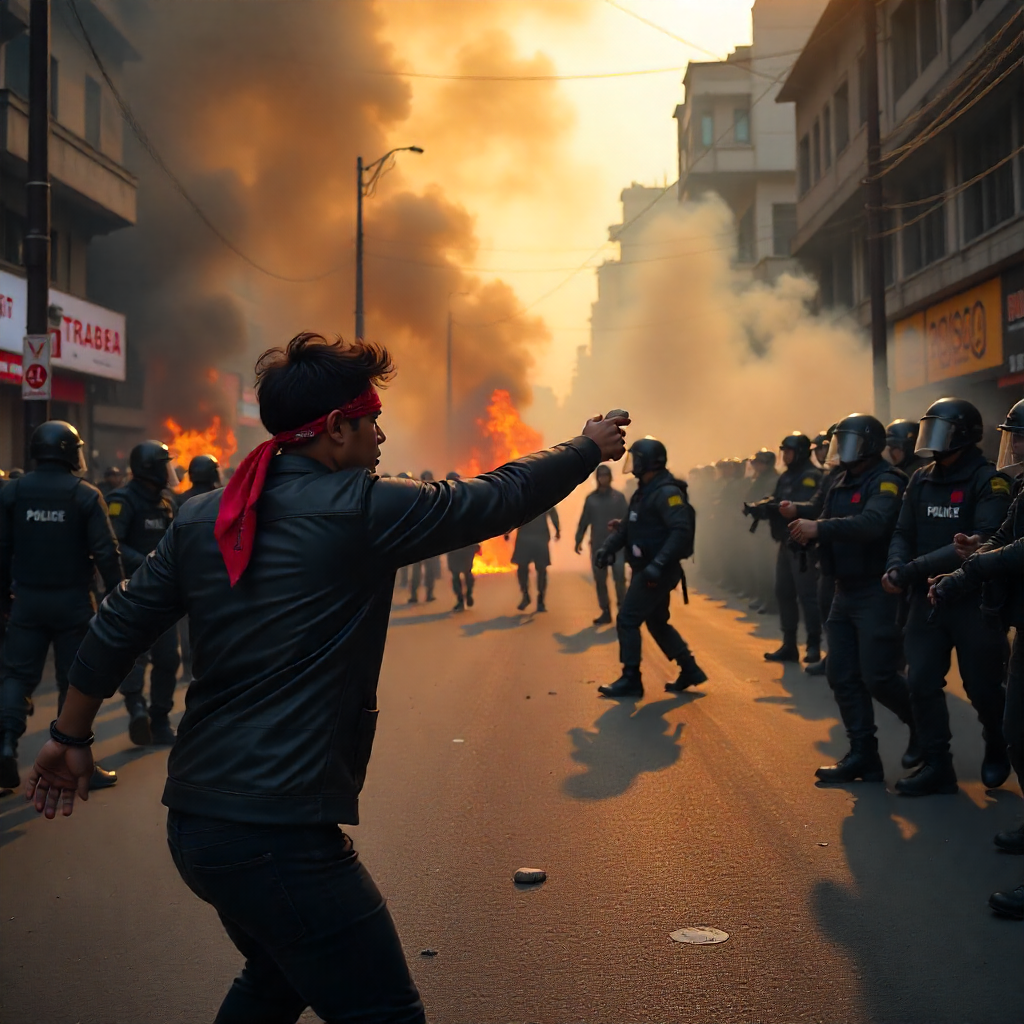
The roots of the Nepal Political Crisis 2025 can be traced to deep public dissatisfaction. Citizens were already disillusioned with rising prices, corruption scandals, and limited economic opportunities. But Oli’s decision to impose restrictions on social media triggered a wave of anger among young people.
For a generation that relies heavily on digital platforms for education, jobs, and expression, the move felt like an attack on their freedom. What began as peaceful protests soon transformed into a mass uprising.
Gen Z at the Heart of Nepal Political Crisis 2025: Fall of Oli’s Government
One of the most striking features of the Nepal Political Crisis 2025 was the dominance of Gen Z. Students, young professionals, and digital activists organized themselves through underground networks and street rallies. Their slogans, memes, and even pop-culture references — such as the “Straw Hat” from One Piece — became symbols of resistance.
For decades, Nepal’s politics was dominated by older leaders with traditional party structures. Gen Z challenged that model by bringing energy, creativity, and fearlessness. This shift is seen not just as a political protest but also as a generational call for change.
The Fall of K.P. Sharma Oli
As protests grew, the government struggled to maintain control. Curfews were announced, the army was deployed, and clashes between protesters and security forces led to tragic casualties. Public buildings were attacked and some even set ablaze.
On 9 September 2025, Prime Minister K.P. Sharma Oli stepped down. His resignation symbolized the collapse of a government that failed to connect with the aspirations of its people. Oli’s fourth term, which began in July 2024, ended under immense pressure from both the streets and within political institutions.
Who Leads Nepal After Oli?
The resignation of Oli opened a vacuum. Protesters rallied behind two major names:
Sushila Karki as Interim Leader
Former Chief Justice Sushila Karki emerged as a widely supported figure for leading an interim government. Her reputation for integrity and independence made her a natural choice among protesters. Calls for her leadership symbolize the demand for a clean and transparent system.
The Rise of Balendra Shah
Kathmandu’s Mayor, Balendra “Balen” Shah, also captured the imagination of young Nepalis. Once a rapper, Shah became the face of a new style of leadership — outspoken, digitally savvy, and focused on accountability. Many view him as a possible prime minister in the near future.
Demands Beyond Leadership
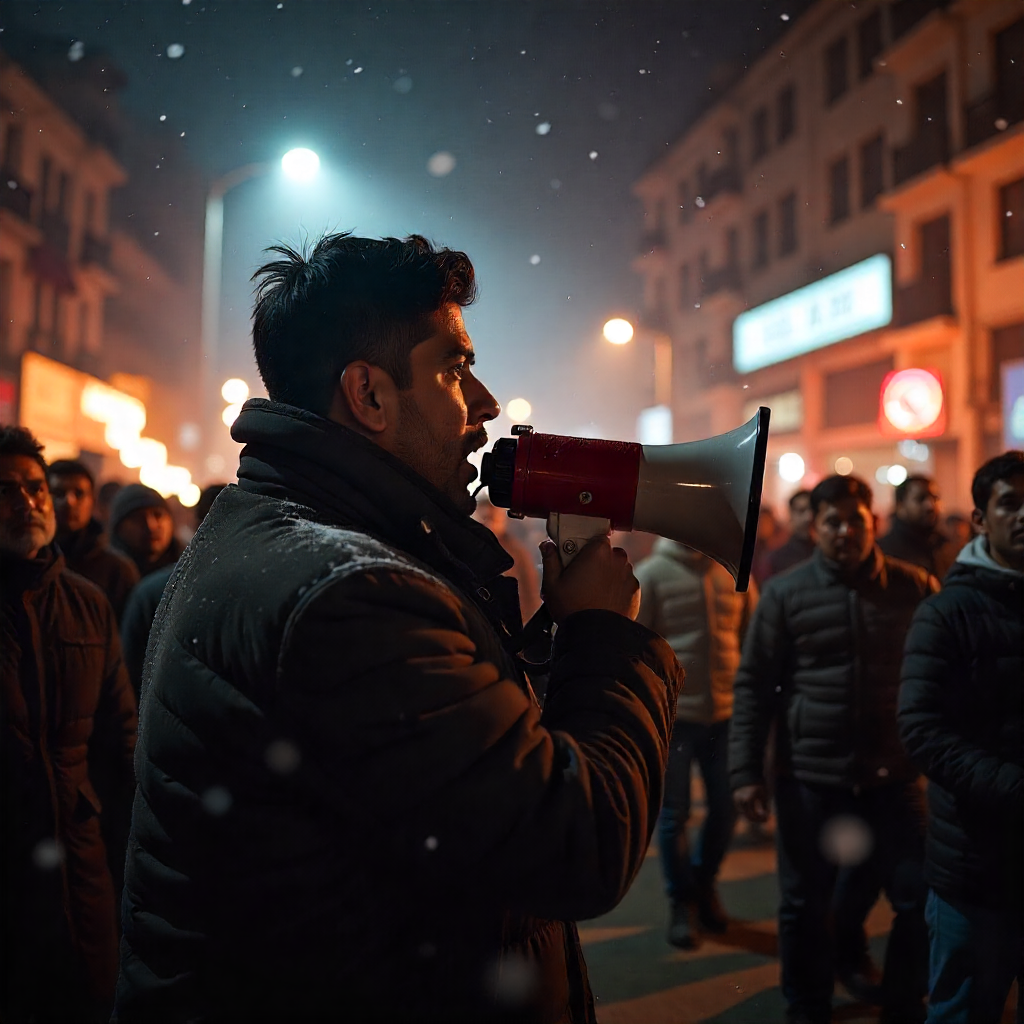
Nepal Political Crisis 2025: Fall of Oli’s Government is not only about toppling a leader but also about rewriting the rules. Protesters are demanding:
-
Dissolution of parliament
-
Drafting of a new constitution
-
Strict anti-corruption reforms
-
Greater inclusion of youth in decision-making
These demands show that the crisis is as much about structural reform as it is about leadership change.
Regional and Global Reactions
Nepal’s crisis drew attention from neighbors like India and China, both wary of instability in the Himalayan nation. Global media highlighted the youth-led protests as a rare and powerful democratic movement in South Asia. Analysts argue that Nepal’s next government will need to balance both domestic demands and international expectations.
What Lies Ahead for Nepal?
The Nepal Political Crisis 2025 is far from resolved. While Oli’s resignation is a milestone, the road ahead remains uncertain. Will an interim government be able to stabilize the country? Can reforms meet the expectations of young protesters?
If the energy of Gen Z can be channeled into building sustainable institutions, Nepal has a chance to emerge stronger. But if political divisions continue, the country risks falling into yet another cycle of instability.
Conclusion
The Nepal Political Crisis 2025 is a reminder that political legitimacy cannot survive without public trust. For Nepal, the fall of K.P. Sharma Oli’s government is not the end but the beginning of a larger transformation. The voices of Gen Z are louder than ever, demanding justice, transparency, and a fair future. Whether Nepal seizes this moment or repeats past mistakes will define its democratic path for years to come.